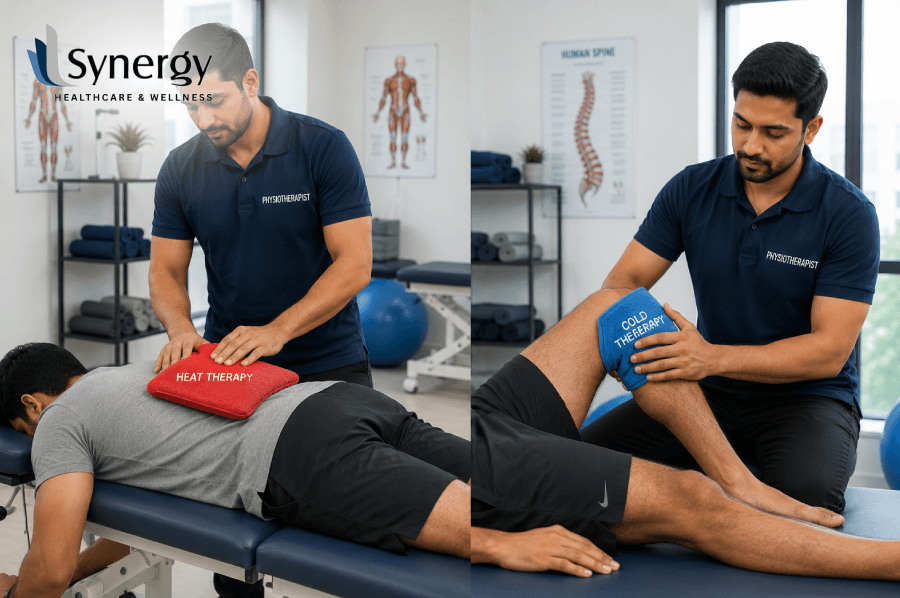

Weight loss advice is everywhere, yet many people who genuinely try to be active find that pain, stiffness, or breathlessness stop them long before motivation does. This is where physiotherapy becomes more than a treatment for injury. In the right hands, it turns into a practical, medically guided way to support safe and sustainable weight loss.
This blog explains how does physiotherapy help weight loss, what the evidence shows, and when a structured programme with a physiotherapist in Chennai might be worth considering.
Key facts at a glance
- Physiotherapy on its own usually leads to modest weight loss, but it can make regular activity possible and sustainable, which is where long term progress comes from.
- Adults are generally advised to achieve at least 150 to 300 minutes of moderate aerobic activity a week, or 75 to 150 minutes of vigorous activity, for health benefits. For weight loss and weight regain prevention, most people need activity towards the upper end of that range.
- Physiotherapists help reduce pain, improve joint mobility and build strength, which allows patients with knee, back or shoulder problems to reach those activity targets more safely.
- A physiotherapist can design a personalised exercise programme that works around arthritis, past injuries, heart or lung conditions and post surgical restrictions.
- Diet and sleep still control most of the calorie balance. Physiotherapy is most effective when it is combined with sensible nutrition and lifestyle changes.
- In Chennai, Synergy Healthcare and Wellness runs clinics in Anna Nagar, T Nagar and Adyar, where physiotherapists combine pain management, rehabilitation and long term conditioning for patients who also need to manage their weight.
How Weight Loss Really Works
Weight loss is always described in complex terms, but the underlying idea is simple. The body stores excess energy as fat. To use those stores, you must create an energy deficit, usually through a combination of eating fewer calories and moving more.
There are two important points that are often forgotten.
First, the body does not respond well to extreme changes. Crash diets and sudden bursts of very hard exercise may cause short-term losses, but they are difficult to maintain. Many people regain weight once they return to former habits, and some injure themselves when they attempt too much exercise too soon.
Second, movement is not only a matter of willpower. If your knees hurt with every step or you become breathless after a few minutes, it is not realistic to expect you to walk briskly for half an hour every day. The same is true if you have long-standing back pain, shoulder impingement, or post-surgical weakness. The intention may be there, but the body is not ready for that level of demand.
This gap between good intentions and what the body can tolerate is exactly where physiotherapy belongs.
How Physiotherapy Supports Weight Loss
Physiotherapy does not melt fat by itself. Instead, it gives you the tools, confidence, and physical capacity to move more often and more safely, so that a healthier lifestyle becomes realistic, not theoretical.
1. Reducing Pain And Improving Movement
Many people who carry extra weight develop joint pain, especially around the knees, hips, and lower back. Extra load on the joints, combined with long hours of sitting and weak supporting muscles, can lead to cartilage wear, tendon irritation, and stiffness.
A physiotherapist can:
- Assess which structures are irritated, and why.
- Use hands-on techniques, targeted stretches, and joint mobilisation to ease stiffness.
- Prescribe exercises that strengthen the muscles around the affected joints, which improve alignment and reduce strain during walking and climbing stairs.
As pain settles and joint control improves, daily tasks become easier. A patient who could only walk for five minutes without discomfort may progress to fifteen or twenty minutes. Over weeks, this difference in daily activity begins to matter.
2. Restoring Strength And Fitness Safely
General advice about exercise often assumes that everyone can simply start running or join a high-intensity class. Patients with osteoarthritis, disc problems, cardiac disease, or long-standing sedentary habits usually cannot.
In a physiotherapy guided programme, the starting point is very different. Your physiotherapist will:
- Measure your current strength, balance, and range of movement.
- Check your blood pressure and heart rate response where appropriate, and review any medical reports you bring from your doctor or surgeon.
- Identify exercises that are both safe and effective in your specific case.
For one person, this may mean water-based exercise and cycling to reduce impact on the joints. For another, it may mean careful interval walking on flat ground, interspersed with rest, so that breathlessness is controlled. As your body adapts, the intensity and duration are gradually increased.
3. Personalised Exercise Prescription
International guidelines for adults recommend at least 150 minutes of moderate aerobic activity a week for general health, and up to 300 minutes a week or more for weight management and preventing regain.
In practice, this can be achieved in many ways. For example:
- Brisk walking for 30 minutes on five days a week.
- Two sessions of swimming or cycling, along with three shorter walks.
- A mixture of walking and simple home-based cardiovascular exercises.
A physiotherapist can translate these abstract numbers into a weekly plan that suits your joints, your schedule, and your medical background. Sessions usually include:
- Aerobic work, to raise the heart rate to a safe but effective level.
- Strength training for major muscle groups, especially legs, hips, trunk, and shoulders.
- Balance and coordination exercises are needed, particularly for older adults.
Strength training deserves special attention. Building muscle mass not only helps with posture and joint support. It also raises daily energy use, which supports long-term weight control.
4. Supporting Behaviour Change And Consistency
From a distance, weight loss looks like a purely physical matter. Up close, it is very much a behavioural one. Many people know they should move more, yet daily pressures, low mood or past negative experiences with exercise keep getting in the way.
Good physiotherapy recognises this human side. During follow-up sessions, your therapist will:
- Review what has gone well and what has not in the past week or two.
- Adjust your targets if pain flares or life events intervene.
- Help you break large goals into manageable steps, so that you feel progress rather than failure.
This combination of clinical knowledge and practical coaching makes it more likely that you will keep going long enough to see results.
5. Working Alongside Nutrition And Medical Care
No amount of exercise will overcome a consistently very high calorie intake. When weight loss is a clear goal, physiotherapy should form part of a broader plan that also considers food choices, sleep patterns, and stress.
Many patients benefit from:
- A consultation with a dietitian who understands both medical conditions and cultural food patterns.
- Review by an orthopaedic surgeon, cardiologist, or endocrinologist, where necessary, especially before more demanding programmes.
- Regular checks of blood pressure, blood sugar, and other relevant markers.
Who Should Consider Physiotherapy-Guided Weight Loss
Not everyone who wishes to lose a few kilograms needs to see a physiotherapist. Some groups, though, are especially likely to benefit from this structured approach.
1. People With Knee, Hip, Or Back Pain
Extra body weight places a constant load on the lower joints and on the spine. Pain can make everyday walking and stair climbing difficult, which in turn reduces activity and makes weight control harder. A physiotherapist can break this cycle by easing pain, improving joint mechanics, and gradually restoring confidence in movement.
2. Patients Preparing For Or Recovering From Surgery
Surgeons often advise patients to lose weight before procedures such as knee replacement, hip replacement, or certain abdominal operations. After surgery, the same patients need careful rehabilitation to regain function without damaging the operated area.
Physiotherapy plays a central role in both stages. A pre-operative programme can strengthen muscles and improve fitness so that the operation and recovery are safer. A post-operative programme can help patients return to walking and functional tasks, while also addressing long-term weight management.
3. People With Cardiac Or Respiratory Conditions
For patients with coronary artery disease, heart failure, chronic obstructive pulmonary disease, or long-standing asthma, unsupervised vigorous exercise may carry risks. Nevertheless, these patients often need to lose weight to improve their long-term outlook.
In such cases, a physiotherapist experienced in cardiac or pulmonary rehabilitation can guide carefully stepped activity. Heart rate, perceived exertion, and symptoms are monitored, and the programme is adapted as fitness improves.
4. Older Adults And Those Fearful Of Movement
Many older people worry that exercise might cause a heart attack, stroke or fall. Others have been told in the past to avoid certain movements because of degenerative changes in their spine or joints.
A supervised physiotherapy plan can address these fears by explaining what is safe and by providing close supervision at first. As trust in the body grows, many patients find that they can do more than they had imagined.
Caring for the Way You Live
At Synergy Healthcare and Wellness, everything begins with movement. We are a team of experienced doctors and qualified physiotherapists who help people manage pain, recover after injury or surgery, and return to the activities that matter most to them.
Patients come to us with many different concerns: long-standing knee or back pain, sports injuries, neck and shoulder problems from desk work, post-operative stiffness, balance difficulties and more. Whatever the starting point, our approach is the same. We listen carefully, examine thoroughly and then design a clear, individual plan that combines hands-on treatment with targeted exercises and practical advice.
Bringing Physiotherapy And Weight Loss Together
Losing weight is rarely as simple as “eat less and move more”. Painful joints, old injuries, breathlessness and fear of making things worse all stand in the way, even when motivation is strong. Physiotherapy does not replace healthy eating or good sleep, but it can remove many of the physical barriers that stop people from being active.
By easing pain, improving movement and building strength in a structured way, physiotherapists help patients reach the levels of daily activity that support long term weight control and better health. For some this means being able to walk around the block without discomfort. For others it may mean returning to regular swimming, gardening or sport after years of limitation. The scale may move slowly, but quality of life and confidence often change much more quickly.
If you recognise yourself in these stories, and you live in or around Chennai, a tailored physiotherapy assessment may be a sensible next step. Instead of forcing your body into a one size fits all exercise plan, you work with someone who understands both your medical history and your goals. That combination of clinical care and practical guidance is where physiotherapy can make a genuine difference, far beyond the treatment room.
FAQs
Does physiotherapy help weight loss?
Physiotherapy makes it easier to move more, which is essential for weight management and general health. On its own, without any attention to diet, it may lead to modest weight loss. The best results usually come when an exercise programme is combined with careful eating and good sleep.
Can physiotherapy reduce belly fat?
No treatment can remove fat from one chosen area. Physiotherapy programmes that combine aerobic exercise and strength work help reduce total body fat over time. As overall fat levels fall, abdominal fat often decreases as part of the general change.
Is physiotherapy better than the gym for weight loss?
It is not a competition. A gym programme can be very effective for people who have no major pain or medical issues and who are confident with exercise equipment. Physiotherapy is particularly helpful for those who are limited by pain, stiffness, recent surgery, or medical conditions. In many cases, patients begin with physiotherapy, then later move on to independent exercise at a gym with a much safer foundation.
How long does it take to see results?
Most people notice improvements in pain, mobility, and stamina within a few weeks of starting regular physiotherapy-guided exercise. Visible changes in weight or waist measurements usually take longer, often several months. Slow and steady progress is more likely to last than very rapid early losses.
Is physiotherapy-guided weight loss safe if I have heart disease or diabetes?
In many cases, yes. Exercise is strongly recommended for people with these conditions, provided it is planned with proper medical oversight. Before starting, inform your physiotherapist about your full medical history and bring relevant test results or letters from your doctor. The programme can then be designed to respect your limits while still moving you forward.

Dr. Suresh Franklin, MPT
✓ 15+ Years of ExperienceMeet Dr. Suresh Franklin, MPT – the expert behind Synergy Physio Care's clinical approach. With extensive experience in sports rehabilitation, athlete recovery, and performance care, he brings trusted expertise to every piece of content we publish. From injury management to movement-based recovery, his review helps ensure our blogs are practical, accurate, and patient-focused. At Synergy, we combine clinical knowledge with real-world physiotherapy experience to guide every recovery journey.