
Short Summary
This physiotherapy guide to trigger points examines the role of physiotherapy in alleviating trigger points and persistent tension. Synergy offers patients the tools and knowledge to empower themselves to regain their freedom and ensure that trigger points never occur again through the incorporation of effective approaches such as manual therapy, trigger point dry needling, and exercise rehabilitation. Discover how trigger point treatment and muscle knot treatment can revitalise your treatment experience.
Unveiling the Science of Trigger Points
The physiotherapy guide to trigger point Pain Relief explains that the presence of trigger points is in hyper‑irritable spots within the individual muscle fibres, causing pain to localise and discomfort. They have often developed from poor posture, repetitive strain, or injury. According to the Emory Pain Centre, these knots in a person’s muscles prevent blood flow, cause a buildup of wastes, and cause nerves to be more sensitive. This could cause a person to experience pains and stiffness that would not disappear.
Physiotherapy also provides a scientifically precise means of identifying and locating pressure points and treating them. A physiotherapist applies pressure and stretching exercises to correct imbalances in muscles. In this blog, learn how physiotherapy techniques provide effective trigger point pain relief that improves long‑term muscle health.
Why Physiotherapy Is Necessary for Trigger Point Release?
Effective trigger point therapy and muscle knot treatment requires more than just short-term relief; physiotherapy offers a holistic treatment method which aims at eliminating the cause of pain and not just the symptoms.
- Accurate Diagnosis: Both physiotherapists and patients can identify trigger points through palpation.
- Evidence-Based Treatment: The therapies known to be effective in treating neck pain include dry needling, ultrasound therapy, and manual techniques for release.
- Holistic Care: Care involves not only the management of the pain but also other aspects of the lifestyle that affect the pain, such as ergonomics and stress.
- Long-term Prevention: Strengthening and correcting posture will prevent recurrence.
Techniques of Trigger Point Therapy
The physiotherapy guide to trigger point pain relief points out that in order to manage it successfully, there is a need for a combination of manual therapy approaches and evidence-based practices. Physiotherapists, in their approach to trigger point therapy, focus on the hyper-irritable muscle fibres, while in muscle knot treatment, the emphasis is on maintaining pain-free mobility in the future by improving circulation and reducing muscle tension.
Manual Pressure Release
Giving continuous pressure to this knot helps in releasing tightened fibres and regaining blood circulation.
Scientific evidence exists that physiotherapeutic methods like dry needling and manual trigger point release can actually reduce the intensity of pain by up to 58% in patients suffering from myofascial trigger points, while improving their functionality and overall lifestyle to a great extent.
Dry Needling
A thin needle is used and inserted at the trigger point in order to reduce tension and improve blood circulation. It has also been validated clinically for pain relief.
Stretching and Exercise
Stretches target shortened muscles, whereas strengthening exercises target muscles that stabilise.
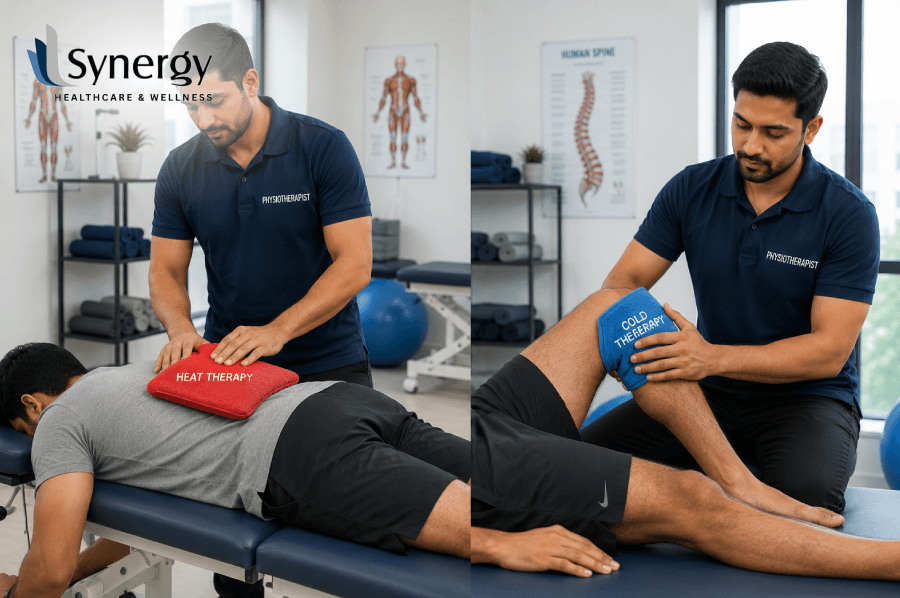
Heat & Ultrasound Treatment
Heat raises the blood flow, and the ultrasound helps to penetrate deeper tissue to expedite the healing process.
Progressive Physiotherapeutic Solutions for Long-Term Relief from Muscle Pain
Under Synergy, the physiotherapists who are employed at the clinic utilise a muscle knot treatment system that integrates conventional techniques with the latest techniques.
- Pain Relief or Pain Management: Manual and dry needles are applied in this therapy as methods of relieving pain in the patient
- Restoring Mobility: This stage includes stretching and mobilisation of the patient. The intention was to regain the patient’s mobility and movements. The goal was to allow
- Functional Recovery: Exercises to Improve Daily Activities:
- Patient Education: Counselling regarding posture and lifestyle.
To discuss the physiotherapy processes involved in manual therapy, the technology development in the field of healthcare for physiotherapists in relation to the case of the Synergy company, the following sources could be used: Best Manual Therapy Treatment in Chennai Clinic. This webpage discusses how electrotherapy, manual therapy, and evidence-based therapy can manage pain and increase flexibility.
Physiotherapy for Muscle Knots
At Synergy, our physiotherapists use every trick in the book to get rid of knots in your muscles. They know how to apply both time-tested methods and innovative physiotherapeutic techniques. These include the following components in treatment options:
- Pain management: Pain can also be managed through manual therapy and dry needling techniques directly.
- Regained mobility: stretching and mobilisation.
- Functional recovery: Exercise allows you to get back to doing what you do day in and day out.
- Exercise enhances patient education: Education on posture, ergonomics, and lifestyle modifications.
Physiotherapy vs Other Treatments
| Treatment Approach | Method / Description | Effectiveness | Best For |
| Physical Therapy | Hands-on release techniques, dry needling, and targeted exercises | High and evidence-based | Chronic pain and posture-related problems |
| Massage Therapy | Pressure application and relaxation techniques | Moderate | Stress-related muscle knots |
| Medications | Painkillers and muscle relaxants | Short-term relief | Acute pain |
| Trigger Point Injections | Steroid or anaesthetic injections | Effective but invasive | Severe, long-lasting muscle knots |
How to Maintain Long-Term Relief After Therapy?
Balancing involves more than the mere alleviation of pain; it involves functional restoration and the restoration of patient confidence. In order to avoid the return of the trigger points, the following should be done:
- Ergonomic Modifications: Maximising Your Workspace for Back Support
- Hydration: Supporting the hydration of muscles in order to work and remove wastes.
- Active breaks: Moving every 30 minutes to prevent muscle stagnation.
Synergy’s Point of View: Patient‑Centred Healing
At Synergy, we believe that the most successful trigger point therapy goes well beyond pain relief. Our physiotherapists will tailor unique treatment programs for each of our patients that integrate precision physiotherapy with an holistic approach, addressing the causes, not just the symptoms. This focus on the patient makes us the number one choice in the physiotherapy guide to trigger point pain relief.
Morning stiffness is one condition we deal with on a regular basis. This is especially true for patients at Synergy Healthcare and Wellness Clinic in Chennai. Stiffness can easily be addressed through a holistic approach incorporating muscle-strengthening exercises, correcting working positions, and instructing correct sleeping habits. Residents living within Anna Nagar, T Nagar, Adyar, or other localities can approach our physios for assistance in isolating problematic areas such as joints or muscles, excluding health concerns, and developing appropriate exercises according to the back, hip, knee, or shoulder. Patients start with basic exercises that can be done at home.
Regaining Balance: The Synergy Way
Pain relief is not merely a means to overcome pain; in fact, pain relief is nothing but restoring balance and flexibility. At Synergy, our physiotherapists apply knowledge and compassion in treating pain relief using an effective solution through trigger point therapy and treatment of muscle knots.
Start your journey to effective pain management today at Synergy with a consultation that will give you personalised physiotherapy to realise how much better you can feel.
FAQs’
1. What trigger points should I know about?
Trigger points refer to the muscle knots that cause pain in the area, as well as in other parts of the body. Generally, when a person suffers from trigger points, they can have limited mobility because of stiffness or discomfort felt in the joints or muscles.
2. How can physiotherapy help me with my trigger points?
The manual therapies include some of the release techniques, dry needling methods, as well as correction exercises that also turn out to be relieving concerning pain. Using proper attention and focus, flexibility can be allowed to improve.
3. Is the trigger point therapy safe for me to practice?
Yes, provided it is carried out by experienced physiotherapists, there isn’t anything dangerous or ineffective about it. This treatment method will definitely do its job and relieve you of your pain and any reactions you might experience.
4. If I start therapy right away, how long does it take to treat a muscle knot?
With some sessions, there is some sort of relief, but for proper care, it may take a number of weeks. You can also identify improvement in your condition as you are restoring.
5. What changes in my lifestyle may prevent the common trigger points I always suffer from?
Yes, good posture, stress management, and regular exercise reduce recurrence. By implementing such changes in your daily routine, you can protect your muscles from the future development of knots.

Dr. Suresh Franklin, MPT
✓ 15+ Years of ExperienceMeet Dr. Suresh Franklin, MPT – the expert behind Synergy Physio Care's clinical approach. With extensive experience in sports rehabilitation, athlete recovery, and performance care, he brings trusted expertise to every piece of content we publish. From injury management to movement-based recovery, his review helps ensure our blogs are practical, accurate, and patient-focused. At Synergy, we combine clinical knowledge with real-world physiotherapy experience to guide every recovery journey.