
Easy Posture Correction Physiotherapy Exercises for Daily Life

Easy posture correction physiotherapy exercises that you can do every day are a simple way to fix your posture, ease your pain, and improve your health in general. Doing exercises like chin tucks, wall slides, and bird dog movements will help you fix your posture so you don’t slouch. At Synergy in Chennai, expert guidance from our physiotherapists will help you achieve complete health. Introduction Modern lifestyles have led to a growing problem known as ‘tech neck’ and prolonged slumped sitting. Prolonged periods of sitting at desks, coupled with extensive use of mobile phones, cause constant strain on the spine and adjacent muscles. Musculoskeletal conditions, according to the World Health Organisation, affect 1.71 billion people in the world, with poor posture being identified as one of the factors that contribute to this condition. For instance, poor posture, if not corrected, leads to pain, stiffness, and poor mobility. Posture correction physiotherapy is a sustainable approach to posture correction as it is a non-invasive therapy. It does not just relieve symptoms but also enables muscles to function in a manner that keeps them in proper posture. At Synergy in Chennai, proper posture is considered a cornerstone in terms of maintaining musculoskeletal health, women’s health, and fertility health. The Meaning of “Bad Posture”: More Than a Slouch Poor posture is more than just slouching. Poor posture could also involve the following poor structural alignment: These postural imbalances often develop gradually and may go unnoticed until pain or stiffness appears. Common Symptoms of Poor Posture In the journal Disability and Rehabilitation, a study showed a strong link between postural asymmetry and chronic lower back pain, reinforcing the need for early bad posture treatment. If left unattended, the conditions can lead to chronic spinal problems, loss of mobility, and a reduced quality of life. Why Posture Matters in Women’s Health The Pelvic-Spine Link The position of the spine affects the pelvic floor. An improperly aligned spine results in pelvic pressure. This pressure leads to pelvic pain as a result of inadequate pelvic floor muscle support. Pregnancy & Posture While undergoing fertility procedures and being pregnant, the body posture alters due to the changes in hormones and weight distribution. Synergy states that “during these periods, the back has to maintain proper posture to avoid backaches and maintain the health of the pelvis.” In a BMC Public Health meta-analysis, physical activity and appropriate posture were shown to have a significant positive effect on musculoskeletal health in females, reiterating the importance of posture care throughout reproductive health experiences. 5 Easy Physiotherapy Posture Exercises for Maintaining Good Posture in Daily Activities As found in the BMJ, specific physio exercises have been proven to alleviate musculoskeletal pain by as much as 40% in people who work in an office. These posture exercises should be added to your routine to cure the damage and give your spine the support it needs. 1. Chin Tucks (The Tech-Neck Fix) How to do it: Advantage:It corrects the neck position, which makes forward head posture less painful. 2. Scapular Squeezes (Openers for the Chest) How to do it: Benefits:It works the muscles in the upper back, helps fix rounded shoulders, and opens up the chest. 3. Cat Cow Stretch (to improve spinal mobility) How to do it: Benefits: It can help relieve stiffness and make the spinal areas more flexible. 4. Wall Slides (Aligning the Shoulders and Upper Back) How to do it: Advantage:It helps you move your shoulders the right way, strengthens the muscles that hold your body up, and fixes your hunchbacked posture. 5. Bird Dog (Balance, and Core) How to do it: Advantage:Working the muscles that help keep the spine and balance stable also strengthens those muscles. All of these posture exercises mentioned above, along with the ones below, can help align the neck, shoulders, back, and torso, which are the problem areas in the body that are usually not in alignment. Besides, performing all these exercises regularly can make it easier to carry out daily chores. Ergonomic Tips: Sustaining Progress in the Working Environment They are more effective when combined with education about ergonomic principles. Indeed, a study undertaken by The Journal of Occupational Health found that the reduction in muscular discomfort experienced by 32% by office workers as a result of ergonomics was sufficient to disprove the adage that small actions do not produce any effect. When to See a Professional? You should consult a doctor if you experience any of the following symptoms: A custom posture correction physiotherapy plan provides better practical advice, as opposed to general videos on YouTube, and also ensures a healthy spine over a long period. Experienced physiotherapists examine factors such as spinal alignment, muscle imbalance, and habits of individuals. What Synergy Healthcare and Wellness Clinic in Chennai Can Do for You? In the Synergy Healthcare and Wellness Clinic in Chennai, a common problem treated is morning stiffness that causes discomfort when moving. Having a regular morning program often helps alleviate stiffness from occurring. But a full plan that includes targeted strengthening exercises, fixing ergonomic problems at work, and teaching people how to sleep properly usually works best for long-term relief. People who live in or near Anna Nagar, T Nagar, Adyar, and nearby areas can go to Synergy to see a physiotherapist who can figure out which joints and muscles are causing morning pain, rule out any concerns that may need more medical attention, and tailor exercises to fit the spine, hips, knees, or shoulders. You can start with a simple routine at home and then make it better during a meeting. This way, the exercises will change in a safe way as you get stronger and more sure of yourself. Conclusion Correcting posture is a gradual process that requires consistency and awareness. Synergy believes that a healthy lifestyle starts with a healthy posture. People can improve their posture, energy levels, circulation, and mood by combining physiotherapy, ergonomic education, and holistic care.As part of an effective bad posture treatment, professional posture correction physiotherapy
How Physiotherapy Fixes Muscle Imbalances Safely
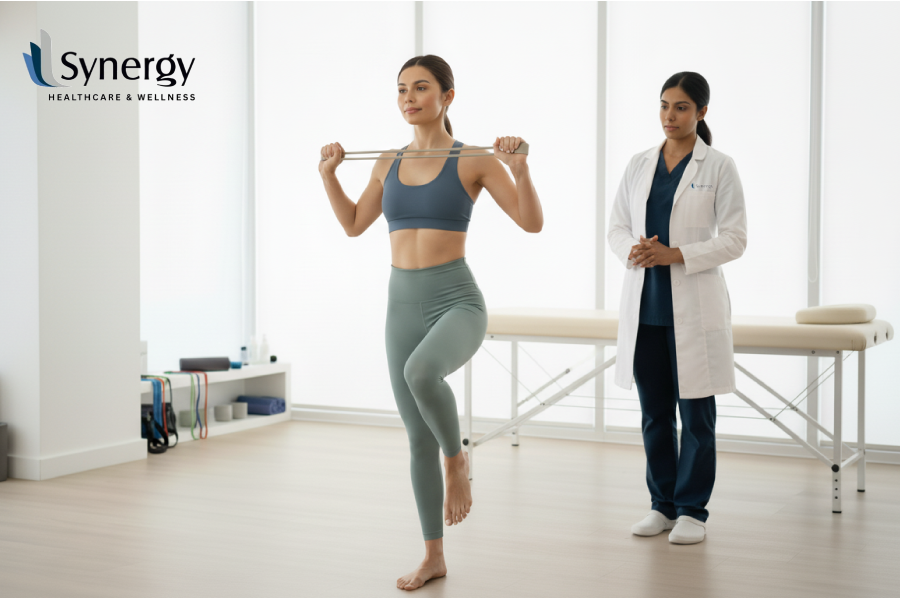
Physiotherapy for muscle imbalance corrects faulty movement by addressing uneven muscle strength and tone, easing pain and stiffness. Treatment helps with posture, flexibility, and joint control, and it also helps keep muscles healthy in the long term. At Synergy Healthcare and Wellness in Chennai, personalised physiotherapy programs help patients heal safely, lower their risk of getting hurt again, and get back to moving in a balanced and confident way. Introduction Someone who has pain in their back, neck, knees, or shoulders doesn’t always mean they are old or hurt. There are times when an imbalance of the muscles, which can be a mild yet significant condition, can cause it. The muscles become tight and overworked compared to their counterparts that are weaker and inhibited. Learning about Physiotherapy for muscle imbalance is the beginning of pain relief. At Synergy Healthcare & Wellness in Chennai, every physiotherapy treatment for muscular imbalance is based on medical expertise. What Exactly Is Muscle Imbalance? A muscular imbalance can develop when there is an imbalance between two sets of muscles that generally work together in harmony. For instance, tight chest muscles combined with tight upper back muscles can easily result in round shoulders and neck strain. Over time, this impacts overall posture and alignment. Common Causes of Muscle Imbalance Muscle imbalance can develop gradually due to everyday habits or physical stressors, including: Why It Matters? As stated by the WHO, Musculoskeletal conditions are among the world’s most frequent health issues, which settle upon around 1.71 billion people. Moreover, musculoskeletal disorders are the leading cause of disability across the globe, primarily because of lower back or neck pain. Why Muscle Imbalance Matters? When the muscle imbalance is allowed to develop without correction, the body will compensate by overstressing the joints and adjacent tissues. Such compensation will lead to the risk of developing pain and limiting mobility. Studies indicate that pain in the lower back by itself accounts for a substantial number of disability cases, with a corresponding percentage of up to 40.1% of subjects reporting pain in their lower back in international studies (PMC). Neck pain is also very common, with an estimated 26.4% of subjects reporting neck musculoskeletal problems. These factors highlight the importance of addressing muscle imbalance treatment early, rather than simply concentrating on methods for relieving pain. The Importance of Physiotherapy in Muscle Imbalance Cases Physiotherapy has a staged approach which involves: Stage 1: Reducing Overactive Muscle Tension Hands-on therapy, such as manual therapy and soft tissue release, assists in relaxing contractured muscle groups and relieving pain. Phase 2: Improving Mobility Targeted stretching exercises promote the flexibility of joints and normal muscles. Phase 3: Weak Muscle Activation It is a crucial element of muscle imbalance treatment in patients with muscle imbalance to train the inactive muscles to function as they should. Phase 4: Putting The Right Movement Together After that, therapists will show patients how to move in ways that will strengthen balanced muscle activation. 4 Essential Muscle Correction Exercises These are some of the muscle correction exercises which form the basics that are usually prescribed at Synergy to help correct imbalances and alignment issues: Exercise Primary Benefit Deep Neck Flexor Activation Improves neck alignment and reduces forward head posture Glute Bridges Activates gluteal muscles for better pelvic stability Bird-Dog Enhances core stability and spinal control Scapular Retractions Strengthens upper back to reduce shoulder rounding They are intended to remain safe for the majority of individuals and need personalisation. Why “DIY” Fixes Can Be Risky A great number of individuals resort to “quick fix” approaches learned through videos, social media, and general exercise routines. Although with the very best of intentions, these may: To fix an imbalance in your muscles, you need to find the ones that are either weak or tense and then tailor the treatment to them. Every Step You Take Is Important On Your Way To Getting Better At Synergy Healthcare & Wellness in Chennai, we always use real medical treatments and tailor our physiotherapy and rehabilitation services to each patient. Our care programs are meant to be complete and last a long time. They start with a visit to our senior doctor and end with a session with our specialised physiotherapists for rehabilitation. They cover everything from the first meeting with our senior doctor to the last session with our specialised physiotherapists for rehabilitation. We treat a wide array of issues – from back and neck pain to sports injuries and movement issues associated with ageing – so that we can return you to the life you want by facilitating the healing power of your body. Whether you are staying in or around Anna Nagar, T. Nagar, or in other areas of Chennai, Synergy is dedicated to providing you and your familywith safe and effective Physiotherapy for muscle imbalance that truly makes a difference. Conclusion: Muscle imbalance isn’t just a sign; it’s a problem with how your body works. If you don’t fix muscle imbalance, it can hurt, make it hard to move, and even make you unable to move for the rest of your life. Physiotherapy is a planned, scientific way to get back in balance, work better, and stay safe. Whether you are dealing with chronic pain, suspecting an imbalance, or simply looking for muscle correction exercises, professional evaluation and exercise can lead to dramatic improvement.Make an appointment for your evaluation at Synergy in Chennai and begin your journey to more functional and healthier movement. FAQ’s 1. What is physiotherapy for muscle imbalance? Muscle imbalance physiotherapy is a mode of physiotherapeutic care whereby the professionals test and manage imbalances in the strength or tone of the skeletal muscles. 2. How long does it take for muscle imbalance treatment to work? Results will vary from person to person, but most people will see improvements within a few weeks of getting the right kind of therapy. 3. Are exercises to fix muscles safe for everyone? When an experienced physiotherapist prescribes them, all exercises are safe to do, but they
How Physiotherapy Helps You Recover from Joint Stiffness

The answer to the problems caused by reduced joint stiffness and improvement in general mobility can be found in physiotherapy, as it gives safe and efficient answers. The purpose of physiotherapy for joint stiffness, which includes exercises in guidance, manual methods, and stretching of the target area, is to restore flexibility, relieve tension, and enhance the functionality of the joint. Introduction Stiff joints are a great hindrance and make even the routine activities of daily living a painful chore. However, instead of viewing this as an unavoidable constraint, at Synergy, there’s a systematic and evidence-based practice. A stiff joint means that you are less autonomous, and a loss of movement will make it even stiffer, getting more and more stuck. There are more than 20 million people living with a musculoskeletal (MSK) condition, including arthritis, within the UK alone, and it’s a big reason for your stiff joints. It is here that physiotherapy for joint stiffness begins. Synergy’s dynamic strategy focuses on the fundamental biomechanical issue that leads to restricted movement, providing a clear solution for reversing this crippling problem. In this way, you will see just how your tailor-made program for relieving stiff joints might read and what components it might entail: The Reasons: Why the Movement Gets Limited To eliminate the stiffness, one needs to understand the cause of this condition within the body. That is, it can be said that it occurs because of an internal resistance created within a joint. By understanding this, we can then formulate an exact plan with regard to joint stiffness treatment that will focus on exactly what tissues are causing your limitations. The Phased Approach to Recovering from Stiff Joints A successful rehabilitation program for a stiff joint has a complicated process with carefully planned steps that lead to the best and most long-lasting joint stiffness recovery. As a medical facility, our focus is on safety and recovery when it comes to treatment. Steps Main Goal Primary Core Physiotherapy Intervention I: Initial Management Get rid of a lot of pain and swelling. Gentle manual therapies, cryotherapy (using ice), and TENS (transcutaneous electrical nerve stimulation) are all pain relievers. II. Test of Mobility Get your full range of motion (ROM) back in a safe way. Joint mobilisations and Range of Motion Exercise (LSI) are two types of exercises that focus on moving slowly and carefully. III. Strength and Stability To keep the new ROM, build up muscle support. Progressive Resistance Training (PRT) works the muscles around the joint to keep it from moving. IV. Integration of Functions Add motion that happens in the real world. Proprioception exercises and retraining of everyday functions such as walking, squatting, and heavy lifting. Manual Therapy Methods Targeting Stiffness and Adhesions Specialised Manual Therapy represents an extremely useful tool we employ at physiotherapeutic practices for Joint Stiffness treatment. Specialised Manual Therapy aims at disrupting Joint Stiffness and then rebalancing joints. It directly addresses the physical limitations and aims at a quicker return to normal joint stiffness treatment progression. The Vital Role of Exercise in Recovery from Stiff Joints Although there is an opportunity for movement with manual therapy, it is essential to maintain it and achieve a successful stiff joints recovery with therapeutic exercises. Our programmes will be specially designed for your injury as well as your activity level. Muscle Imbalances and Weakness Correction Weak muscles surrounding a stiff joint can place an excessive burden on the joint itself. Specialised strength training becomes vital for: Recovery of Full Range of Motion Performing exercises with a range of motion on a consistent basis is an essential step towards recovery. We walk you through some exercises as follows: Regular and monitored physiotherapy for Joint Stiffness will help reduce inflammation and improve circulation, as it works as an excellent, non-drug component for your recovery. A systematic review published on BMJ Open suggested a 63.7% success rate for exercise therapy for patients with knee osteoarthritis. Exercise therapy can be recommended as an initial treatment. Synergy: Your Health and Mobility Partner At Synergy, we focus on offering expert and structured care so that every client who visits us gets a comprehensive plan for joint stiffness treatment. We are defined by our expertise and client-centric approach. At Synergy, all our patients undergo an initial consultation with senior doctors so that there are no chances of misdiagnosis before we start any rehabilitation program conducted by our physiotherapists. We’re pleased with the level of feedback we get: “Prior to attending Synergy, I believed that I would have to undergo a knee replacement. The physio for Joint Stiffness I have received at Synergy—namely personalised strengthening physio—allowed me to climb stairs without any issues for the first time, and I have retrieved my independence.” We integrate modern methods with a focus on patient education so as to enable you to walk with ease as you recover. We are dedicated to getting the best results in physiotherapy for Joint Stiffness. Conclusion Joint stiffness doesn’t have to last forever. With a structured and thorough physiotherapy for Joint Stiffness treatment, we can confidently and effectively get rid of your limitations and restore your full range of motion while greatly reducing your pain. We don’t just treat the symptom; we also fix the real problem with the machine. This makes the joint stiffness treatment more complete and useful. Don’t let your stiff joints keep you from living an active life. Are you ready to move without pain? Schedule your first consultation and begin your personalised plan to relieve joint stiffness right away. Visit the official Synergy website to learn more about this or explore our other health blogs on effective pain management. FAQ’s 1. To what extent will it take to regain mobility from joint stiffness with physiotherapy? The period required for recovery can vary widely based on the reason for the stiffness. However, most patients note some degree of relief within 4–8 visits for pain and range of motion, and stiff joints recovery involving complete restoration of severely restricted joints
Easy Mobility Improvement Exercises for Daily Comfort and Pain Relief
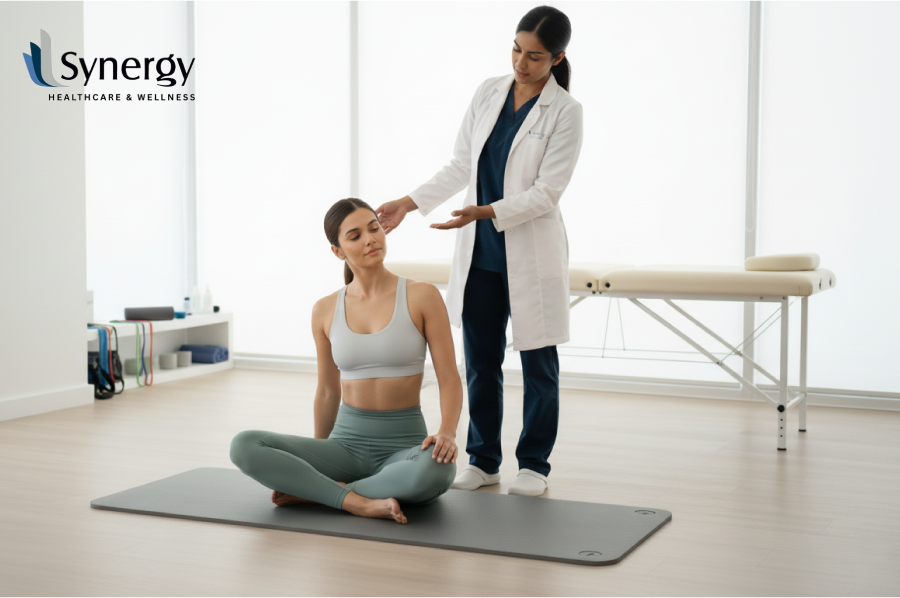
Short Summary Easy mobility improvement exercises support smoother movement, reduce stiffness, and ease everyday discomfort. When practised regularly, these simple routines help improve joint flexibility, muscle balance, and overall body control. By gently activating key muscle groups, they promote better posture and reduce strain during daily activities. Over time, consistent mobility exercises can enhance comfort, prevent pain, and support long-term physical wellbeing. Introduction The capacity to perform essential movements such as stretching, bending, walking, and standing without restriction or joint pain reflects optimal physical wellbeing. In its place, for many, discomfort and limited comfort replace the uncomplicated pleasures of unfettered movement. If you ever had an injury, leading to trouble in turning your head while driving or shooting pain while getting out of a chair, then you understand mobility loss. In fact, more than 350 million people in the world experience joint problems as a result of arthritis. Experts conservatively estimate that by 2050, one billion people will be afflicted with various forms of osteoarthritis due to age and sedentary lifestyles. But what if we told you that you don’t necessarily have to spend hours in the gym to regain comfortable ease of movement through mobility improvement exercises? Figuring Out the Meaning of Functional Mobility When people discuss stiffness, they usually refer to its relation to flexibility. But in physiotherapy, we focus on functional mobility. Aspect Comparison Table Aspect Flexibility (Stretch Mobility (Functional Movement) Definition Passive length. A measure of muscle or soft tissue length. Active range of movement within a joint, requiring active strength. Objective Increase muscle length. Improve joint control and stability with a full range. Effect on Daily Life Reduces muscle tension but does not provide extensive injury protection. Improves standing, walking, balancing, and reaching. Target Audience Those with specific muscle tightness. All who seek daily comfort and better functionality. Research indicates that restricted hip mobility is a primary contributor to lower back pain. A study published in the Journal of Physical Therapy Science found that improving hip range of motion significantly reduces chronic lower back disability levels. The Life-Changing Benefits of Improving Your Mobility Improving your active mobility exercises will allow you to reap immense benefits and improve your quality of life: Our Top 5 Easy Mobility Improvement Exercises We have selected five fundamental mobility exercises with a moderate level of intensity, which focus on regions with maximum dysfunction: the hip, spine, and shoulder regions. We recommend completing these exercises at a slow pace with at least 8 repetitions or 30 seconds for a hold. 1. Segmental Cat-Cow Flow (Spinal Health) Purpose: To optimise the movement of a spine segment, which is necessary for bending, twisting, and shock absorption. How to Do It: Tip: It ranks among the best exercises to improve flexibility within the spine. 2. 90/90 Hip Internal Rotation (Hip Joint Control) The goal is to be able to rotate the hip both inside and outside again. This is important for walking, squatting, and keeping the knees and lower back from hurting. How to Do It: Data Byte: Impaired hip rotation commonly occurs among patients with low back pain attending physiotherapy sessions. 3. Thoracic Book Openers (Mobility in the Mid-Back) Function: To improve rotation in the upper and middle back, which are very important for reaching and turning in everyday life. How to Do It: Goal: To repeat 10 times on each side. It aims at relieving stiffness brought about by desk work. 4. Wall Angels (Shoulder Scapular Control) Goal: To encourage a healthy rhythm of the shoulder blade and improve daily overhead movement. How to Do It: 5. Ankle Alphabet (H) Enhances ankle joint range of motion for stability and functionality. How to Do It: How It Works: Choosing Professional Mobility Physiotherapy Simple mobility improvement exercises are a good start, but they won’t help you care for yourself. Expert Tip: If you spend long hours at a computer, your mobility issues may be linked to your workspace habits. Read our related guide on Physiotherapy for Office Workers: Beating Back & Neck Strain to learn how to protect your spine during the workday. People Who Know How to Live Without Pain Synergy is a well-known physiotherapy and rehabilitation centre in Chennai that uses methods that have been shown to work. With routines, mobility should get better: We are experts at treating back pain, sports injuries, and complicated rehabilitation. We offer services before and after giving birth. Anna Nagar, T. Nagar, Adyar, Mogappair, and Vepery are all well-known and easy-to-reach clinics. We want to make your life easier and better. You can get the right medical care and still be able to move around with synergy. Final Thoughts The first step towards a life without pain is to move around on purpose every day. Active joint control before passive stretching can help you get stronger and more comfortable that will last. Get your health in order now so that stiffness doesn’t become a long-term issue. If you have long-term pain that makes it hard for you to move, a professional evaluation at Synergy can help you come up with a plan that works for you.Are you ready to get up and leave? Call Synergy today to set up a personalised mobility assessment with a senior doctor. FAQ’s 1. How soon will mobility improvement exercises start to work? Targeted therapy and mobility improvement exercises can help you feel better quickly. But how long it takes to heal depends on your specific situation and tough workout plan. 2. If someone hurts after exercising, should they keep doing it to stay mobile? Pain that comes on quickly or sharply needs to be stopped. It’s normal for muscles to hurt, but if your joints hurt more, you should see a doctor. Talk to a physiotherapist about changing the exercises for mobility. 3. How could basic mobility exercises help with lower back pain that comes from sitting too much? Sitting for long periods of time makes it hard for the hips and middle back to move, which puts a
How Physiotherapy Helps Chronic Pain Heal Naturally

Short Summary Physiotherapy is an effective and natural method to feel better from chronic pain that may make daily activities more difficult. Chronic pain physiotherapy helps by improving mobility, easing muscle tension, and restoring strength. It does this through guided exercises, manual therapy, correcting posture, and education. Over time, regular treatment makes pain less painful and gives you more confidence in moving, clearly showing how Physiotherapy Helps Chronic Pain. Introduction These days, many people suffer from pain on a regular basis. This makes pain a “common persistent medical concern.” Pain which can go on for many months to many years can no longer be solely related to tissues. On the other hand, the nervous system may become highly sensitive, amplifying pain signals and creating a cycle that significantly affects sleep quality, emotional well-being, and movement. There are quite a number of general treatments, which only address the symptoms, that won’t really work because the problem is complex. This blog will describe the way in which customised chronic pain physiotherapy can provide the healing that it needs, and it will last. The blog will also explain the way in which physiotherapy can offer assistance for chronic pain. What Is Chronic Pain, And Why Does It Last? Chronic pain doesn’t go away even when the injury or illness that caused it has healed. Arthritis, nerve irritation, musculoskeletal diseases, repetitive strain, or bad posture can all cause it. Chronic pain doesn’t simply hurt your body; it also makes you feel lousy, sleep poorly, and affects your quality of life in general. Physiotherapy is a whole-body, evidence-based way to deal with pain that does more than just make it go away. It concentrates on fixing problems with movement, increasing muscle, and retraining the neural system to make pain go away on its own, making chronic pain physiotherapy an effective long-term solution. How Can Physiotherapy Help With Pain That Lasts a Long Time in a Natural Way? 1. Assessing Your Health And Devising A Suitable Treatment Plan We undertake a comprehensive exam before we start any treatment. This means looking at your posture, how you walk, your strength, your flexibility, and everything else that makes you feel bad. Physiotherapy Helps Chronic Pain from the very first step enables us design a care plan that meets your needs and goals. 2. Getting stronger to help the body When muscles are weak or not in the right place, they can cause chronic discomfort. We get workouts from our physiotherapists to help us get stronger. These workouts help: This makes life easier and takes away the pain, especially in the neck, shoulders, and lower back—one of the many ways physio for chronic pain relief creates long-term benefits. 3. Less Pain Without Drugs A clinical trial shows that physiotherapy can help people with chronic pain feel a lot better. A meta-analysis of randomised trials showed that physio for chronic pain relief can help with pain to some extent compared to no treatment, which shows that it is effective and safe for treating chronic pain. 4. Making It Easy to Get About and Be Flexible When muscles and joints can move and stretch, they become less stiff over time. This makes it easier to go around every day. Over time, this takes the strain off the affected areas, which keeps the pain from coming back. This is one more reason why some think physio for chronic pain relief. What Makes Physiotherapy Work in the Real World? A study of people in India with musculoskeletal disorders found that 91.8% of patients claimed they felt less pain following physiotherapy, and 82.3% indicated they were more independent in their daily life. These results are in line with research from throughout the world, which shows that chronic pain physiotherapy can work as both a short-term fix and a long-term approach to improve. Treatment Options: Just Medicine or Physiotherapy Only medication Physiotherapy Temporary, hiding symptoms Usually long-term with improvements in function Take care of the root problems. Yes, it addresses movement, strength, and function. High chance of side effect Low risk of dependence and adverse effects Not enough for long-term issues Better quality of life This contrast shows why a lot of doctors now suggest physiotherapy as the primary treatment for chronic pain, reinforcing the importance of chronic pain physiotherapy in long-term recovery. How We Treat the Most Common Chronic Pain Conditions Back and sciatica pain Customised exercises and manual therapy help the spine work better and prevent nerve discomfort. (For more insights, read our blog on Why Physiotherapy for Professionals is a Game-Changer for Wellness). Pain in the neck and shoulders Exercises that correct and stabilise posture help relieve stress from modern lives that involve lengthy periods of time spent in front of screens. Knee and hip pain A tailored strengthening program lowers stress on the joints and makes it easier to move. Pain after surgery and during rehab Physiotherapy speeds up healing and stops it from happening again. Every strategy is customised—another example of how Physiotherapy Helps Chronic Pain for different individuals. Why Should You Believe in Synergy? Synergy Healthcare and Wellness is an exemplary physiotherapy and rehabilitation centre in Chennai that promises clinical excellence and patient care. The centre has various branches in the city and provides systematic evidence-based care by qualified doctors and an exceptionally competent physiotherapy team that assists in dealing with problems such as back and neck pain, sports injury, post-operation problems, and problems of movement associated with old age. Each person gets a customised treatment regimen, which incorporates posture correction and functional training to make the person mobile, reduce pain, develop muscle, and avoid further injuries. Synergy gives people in Chennai the confidence to rely on effective physiotherapy because it is genuinely concerned about its clients, makes every effort to make things right, and achieves lasting results. Conclusion Physiotherapy works with patients who have chronic pain by identifying the pain source, solving the problem, increasing the body’s strength, and mobilising the body to move. It does this
How Physiotherapy Helps ACL Injuries Caused by Monsoon Slips
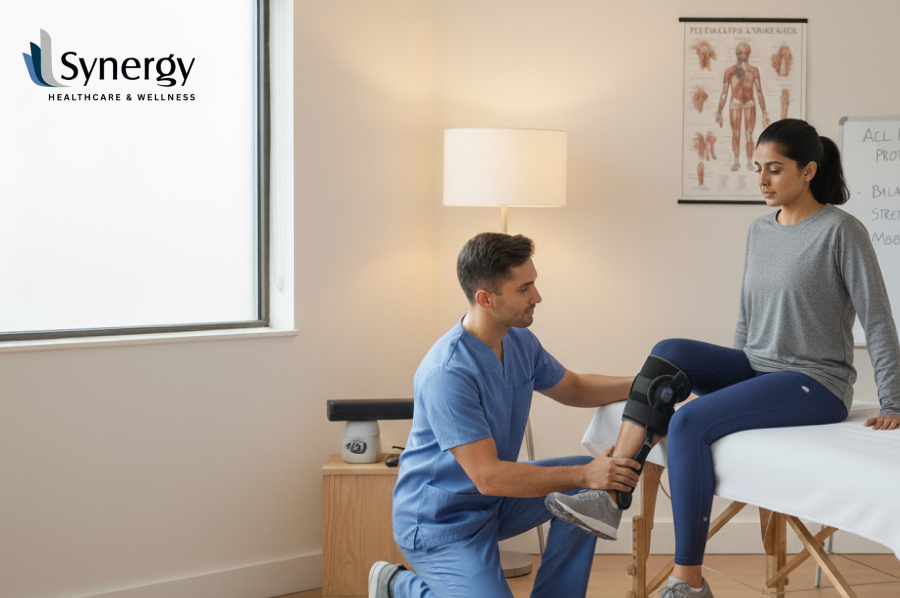
The monsoon brings cooler days and a sense of renewal, but it also turns roads, stairs, and tiled floors into hidden hazards. A single misstep on a wet surface can cause the knee to twist violently, leading to an ACL injury that requires careful recovery. In such cases, ACL injury physiotherapy tears becomes the key to regaining movement, strength, and confidence in every step. Understanding ACL Injuries from Slips in the Rainy Season The anterior cruciate ligament (ACL) is one of the main stabilising ligaments of the knee. It connects the thigh bone to the shin bone and prevents excessive forward motion of the tibia. When you slip during the monsoon season, your body reacts suddenly, the knee rotates or bends awkwardly, and the ligament may stretch or tear. Unlike sports injuries, monsoon-related knee ligament injuries often occur in people simply walking on wet stairs or tiles. Such accidents can cause intense pain, immediate swelling, and difficulty bearing weight. In severe cases, the knee gives way even during light movement. Falls on slick surfaces are particularly dangerous because the impact angle is unpredictable. The combination of poor traction, quick body reflex, and unprepared leg muscles creates the perfect setup for an ACL tear. It is essential to treat this injury promptly through a well-planned ACL injury physiotherapy program. The Role of Physiotherapy After an ACL Tear After a slip injury, the knee usually becomes stiff and swollen. Rest alone does not restore its natural stability. That is where ACL rehabilitation through physiotherapy takes over. The goal is to restore motion, rebuild muscle control, and retrain balance mechanisms that protect the joint. A structured ACL rehabilitation program typically progresses through clear stages: Early Recovery Phase The physiotherapist begins with pain management, swelling control, and gentle movement. Techniques such as ice application, compression, and elevation reduce inflammation. Assisted exercises encourage early range of motion without straining the ligament. Strength and Stability Phase As pain decreases, attention shifts to muscle strength, especially the quadriceps and hamstrings. These muscles support the knee and compensate for ligament weakness during healing. Controlled strengthening prevents knee instability and helps you regain confidence in walking. Proprioception and Coordination Phase Once strength returns, therapy focuses on proprioception training, which means retraining your sense of balance and joint awareness. Exercises on unstable surfaces, step-ups, and single-leg drills help rebuild reflexes that protect the joint from future slips. Functional Rehabilitation Phase In the later weeks, therapy prepares you for daily movements, walking on uneven ground, climbing stairs, or returning to sport. The physiotherapist monitors alignment and ensures that both legs move symmetrically before discharge. A dedicated physiotherapy treatment for an ACL tear can make the difference between long-term weakness and full recovery. Adapting Rehabilitation to Monsoon Conditions Recovering from a knee ligament tear during the rainy season requires extra caution. Wet floors increase the risk of re-injury, and humidity can make indoor workouts uncomfortable. A physiotherapist adapts exercises to your environment to maintain safety and consistency. Indoor Exercise Planning If outdoor movement is restricted, a home physiotherapy plan for ACL injury can be set up with minimal equipment. Elastic resistance bands, balance cushions, and simple household supports allow you to continue progress indoors. Surface and Footwear Adjustments Using footwear with strong grip and cushioning protects the knee during recovery. Rugs, mats, and slippery tiles should be avoided until the joint regains stability. Your therapist may recommend simple changes such as rubber-soled shoes or anti-slip flooring—to reduce risk. Humidity Management Monsoon humidity can cause mild joint stiffness. Light warm-up routines, proper hydration, and indoor stretching sessions counter this effect. Physiotherapists often include flexibility drills for the calves and hamstrings to maintain comfort and blood circulation. Sample Physiotherapy Plan for ACL Recovery While each case differs, this general guideline outlines what many ACL rehabilitation programs follow: Weeks 1–2: Healing and Mobility Weeks 3–6: Strength and Control Months 2–4: Balance and Endurance Months 4–6: Return to Activity A licensed physiotherapist ensures progression through these stages only when the knee is ready. Trying to rush recovery can lead to new knee instability after an ACL tear or chronic pain. When to Seek Professional Help Some patients expect mild knee pain to heal with rest. However, symptoms like locking, repeated swelling, or a feeling that the knee “slips out” signal a deeper issue. You should consult a physiotherapist or orthopaedic specialist if you notice any of these signs after a fall. A professional evaluation can confirm whether it is a mild sprain or a complete ACL tear. Imaging studies, such as MRI, help determine the extent of the damage. Based on results, the specialist may recommend non-surgical ACL rehabilitation or refer you for surgical reconstruction followed by ACL reconstruction physiotherapy protocol. Physiotherapists play a vital role even after surgery. They guide you through each milestone—reducing pain, restoring joint mobility, and ensuring a safe return to normal activity. Regular check-ups maintain progress and prevent relapse. Preventing ACL Injuries During Monsoon Avoiding another injury is as important as recovering from one. During the rainy season, focus on prevention through awareness and preparation. Stay Alert on Slippery Surfaces Be cautious on wet stairs, pavements, and tiled entries. Slow your pace and use railings when available. Avoid sudden turns or jumps when walking in rain gear that restricts movement. Choose Proper Footwear Footwear with good traction reduces your risk of slipping. Replace worn-out soles, and clean mud or oil from shoes to maintain grip. Strengthen and Stretch Regularly Maintaining strong leg muscles is the best long-term protection for the knee joint. Perform ACL injury prevention exercises like hamstring curls, side-steps, and balance drills at home. Flexibility in the calves and thighs also helps absorb shock during sudden movement. Improve Body Awareness Balance exercises on one leg, with eyes closed or on soft surfaces, improve coordination. These simple routines train your body to react quickly if a slip occurs. Keep Your Surroundings Safe At home, place absorbent mats near entrances and wipe spills immediately. Proper lighting also helps spot wet
How to Stop Night Leg Cramps with Physiotherapy Exercises

Night leg cramps disrupt rest and signal underlying muscle imbalance or fatigue. Physiotherapy relieves these cramps through targeted stretching, strength training, and improved posture. A consistent routine restores mobility, enhances circulation, and helps ensure uninterrupted sleep. Let’s Begin Night leg cramps often strike without warning. One moment you are resting; the next, your calf or thigh muscle tightens so sharply that it feels impossible to move. These sudden contractions, called nocturnal leg cramps, are common among adults and older individuals. While quick stretching may help in the moment, lasting relief requires a structured approach. Physiotherapy for cramps offers that path, restoring flexibility and preventing recurring pain through targeted exercise and muscle retraining. Understanding What Causes Leg Cramps at Night Muscle fatigue and posture imbalance During the day, muscles work continuously—standing, walking, climbing stairs, or even sitting for long hours. Fatigued or shortened muscles, especially in the calf and hamstring, often spasm when the body relaxes during sleep. Poor posture and limited flexibility further increase the strain on these muscle groups, creating a perfect setup for nighttime muscle tightening. Circulation and nerve function Restricted blood flow is another frequent factor. When circulation slows, the muscles receive less oxygen, and metabolic waste accumulates. This imbalance may trigger involuntary contractions in the lower legs. Certain nerve-related conditions or prolonged inactivity also contribute to muscle cramps in the legs at night, especially in those who spend long hours at a desk or who stand on hard surfaces all day. Lifestyle and sleep triggers Dehydration, low magnesium or potassium, and certain medications (such as diuretics) may intensify cramping. Alcohol consumption before bed, high caffeine intake, and sleeping in a position that shortens the calf muscles can also provoke these painful spasms. Physiotherapists address not only the muscles themselves but also these related habits, ensuring a comprehensive solution rather than temporary relief. Why Physiotherapy Works for Night Leg Cramps Stretching to restore flexibility Physiotherapy begins by improving muscle length and joint mobility. Regular stretching of the calf, hamstring, and quadriceps helps prevent the sudden leg cramp wake-up that disturbs rest. Simple routines—like a gentle calf stretch before bed—train the muscle to relax through its full range of motion. Strengthening to prevent fatigue Tight muscles are often weak muscles. A physiotherapist designs progressive routines that strengthen the supporting structures of the legs, particularly the shin, ankle, and hip stabilisers. Stronger muscles resist fatigue and maintain better control, lowering the risk of involuntary muscle contraction in the legs during sleep. Correcting gait and posture When the body’s alignment shifts—through flat feet, knee rotation, or a tilted pelvis—the leg muscles must overwork to stabilise movement. A professional evaluation can identify these imbalances. Adjusting walking patterns and adding corrective drills can stop repetitive lower-leg strain, which otherwise leads to cramping after prolonged standing or walking. A Step-by-Step Physiotherapy Programme for Night Leg Cramps Physiotherapy progresses through three stages: assessment, active correction, and maintenance. Step 1: Baseline assessment A therapist first reviews daily habits and physical alignment. They check muscle tightness in the calves, hamstrings, and hip flexors, observe walking patterns, and test joint flexibility. This step ensures that your exercise plan addresses the exact cause of your nocturnal leg cramps rather than offering generic advice. Step 2: Early-phase exercises (Week 1–2) These movements target flexibility and light activation. These exercises loosen shortened fibres and improve circulation in lower-leg muscles prone to spasm. Step 3: Strength-building phase (Week 3–4) When flexibility improves, the focus turns to endurance and control. Step 4: Maintenance and self-care Once strength returns, maintaining flexibility becomes crucial. Lifestyle Habits That Support Physiotherapy Hydration and electrolytes Muscles need water and minerals to contract and release properly. Drinking throughout the day—not just before bed—prevents dehydration. Foods rich in magnesium, calcium, and potassium, such as bananas, leafy greens, and yoghurt, can reduce the occurrence of leg cramps at night. Sleep posture and daily movement A slightly elevated headboard or a pillow under the knees can improve blood return from the legs. Stretching before bed lengthens the muscles and decreases the risk of nighttime tightening. During the day, alternate sitting and standing, and take short movement breaks if your work requires long periods in one position. These small changes complement the effects of physiotherapy for cramps. When to seek help If night leg cramps occur frequently, disrupt sleep, or spread to other areas such as the feet or thighs, professional evaluation is essential. A physiotherapist or physician can rule out vascular, neurological, or metabolic causes and tailor a programme to your individual condition. Early management prevents chronic pain and maintains mobility. Integrating the Programme into Everyday Life Effective prevention depends on routine. Keep your stretch band near your bedside, so your nightly exercises become part of winding down. Track the nights you experience cramps and note improvements. This awareness helps maintain discipline and demonstrates the benefits of structured leg cramp physiotherapy. Regular movement throughout the day is equally important. A ten-minute walk after dinner or gentle ankle rotations while sitting can make a measurable difference in circulation. Over time, these habits transform how your legs respond to rest, turning sleep from a source of discomfort into genuine recovery. Healing Begins with the Right Hands At Synergy Healthcare and Wellness in Chennai, we provide expert physiotherapy and rehabilitation services rooted in clinical integrity and personalised care. From the first consultation with a senior doctor through to guided recovery with our skilled physiotherapy team, each treatment plan is designed for lasting improvement. We address a broad range of conditions—from back and neck pain to sports injuries, post-surgical recovery and age-related movement issues—with thoughtful, structured pathways. Our goal is to restore pain-free mobility, improve quality of life, and support your body’s potential to heal. Conclusion Physiotherapy for cramps addresses both symptom and cause. Through guided stretching, strength training, and attention to posture, it restores balance to overworked leg muscles and reduces the painful interruptions of nocturnal leg cramps. With consistent practice, healthy hydration, and mindful posture, your muscles learn to relax rather than
Physiotherapy Care for Patients After Angioplasty Surgery

A structured program of physiotherapy after angioplasty helps restore heart strength, mobility, and confidence during recovery. Guided exercises improve circulation, stamina, and overall cardiac function. With professional supervision and steady progress, patients regain independence while reducing future heart risk. Introduction Recovering from angioplasty surgery is a gradual process that involves more than rest and medication. A well-structured program of physiotherapy after angioplasty restores mobility, strengthens the heart, and helps patients regain confidence in daily activities. Under professional guidance, post-angioplasty physiotherapy offers practical steps to rebuild endurance and manage risk factors that can affect heart health in the long term. Understanding Angioplasty and the Role of Physiotherapy What Happens During Angioplasty and Stent Placement During angioplasty, a thin catheter with a balloon is inserted into the narrowed coronary artery. When the balloon expands, blood flow improves, and a stent keeps the artery open. After surgery, muscles weaken, stamina drops, and anxiety often prevents movement. This is where physiotherapy after stent placement becomes essential. Why Physiotherapy Matters in Cardiac Recovery Early movement supervised by a physiotherapist for angioplasty recovery prevents complications such as blood clots, shortness of breath, or stiffness. Structured exercises improve heart efficiency, lung function, and circulation. In many cardiac units, cardiac rehabilitation physiotherapy begins within 24–48 hours once the patient’s vitals are stable. Benefits of Physiotherapist-Led Recovery A cardiac physiotherapist teaches controlled breathing, posture correction, and gentle mobility tasks that maintain oxygen levels and prevent deconditioning. Over time, regular sessions of physiotherapy after angioplasty build endurance and support long-term heart health. Phases of Physiotherapy After Angioplasty Phase 1: Inpatient Recovery (Day 0 – 7) The first week focuses on safety and gradual re-engagement. Patients learn deep breathing, ankle pumps, shoulder rolls, and supported sitting. These mobility exercises after cardiac intervention reduce the risk of chest tightness and promote blood flow. A therapist monitors heart rate and pressure during all activities. Phase 2: Early Outpatient Stage (Weeks 1 – 12) As the patient returns home, home physiotherapy after angioplasty focuses on walking, gentle stretching, and light strengthening. Aerobic conditioning after angioplasty helps the heart adapt to a mild workload. Sessions usually last 20–30 minutes, three to five times a week. The goal is to restore stamina while keeping the heart rate within the safe training range. Phase 3: Long-Term Maintenance (Month 3 onwards) Once endurance improves, the physiotherapist adds strength training after angioplasty with elastic bands or light weights, along with flexibility drills. Patients are encouraged to follow a home physiotherapy program after angioplasty for continued benefit. The focus now shifts to lifestyle consistency and confidence in daily movement. Key Physiotherapy Exercise Categories Cardiovascular Conditioning Gentle aerobic sessions—slow walking, treadmill, or stationary cycling—form the foundation of post-angioplasty physiotherapy. The therapist calculates a target heart rate and supervises progress using the Rate of Perceived Exertion (RPE) scale. Over weeks, distance and duration increase to improve endurance. Strength Training for Cardiac Recovery Resistance training after a heart procedure starts only after medical clearance. Simple exercises using body weight, light dumbbells, or resistance bands strengthen upper and lower limbs. Proper breathing is important; holding breath during lifts can raise chest pressure and strain the heart. Flexibility and Mobility Flexibility routines such as shoulder circles, calf stretches, and trunk rotations restore range of motion. These mobility exercises after angioplasty surgery prevent muscle tightness and improve posture. A few minutes of stretching before and after aerobic activity lowers injury risk. Home-Based Physiotherapy Once discharged, a home-based cardiac rehab exercise plan allows the patient to continue safely under periodic supervision. A physiotherapist adjusts intensity, monitors progress, and provides guidance through teleconsultation or follow-up visits. Safety, Precautions, and Red Flags Monitoring During Physiotherapy During physiotherapy after angioplasty, patients must watch for signs of overexertion, such as chest discomfort, dizziness, or unusual fatigue. Heart rate monitors and step counters help maintain safe intensity. Activities to Avoid Early On Heavy lifting, stair climbing without support, and isometric exercises are restricted during the first few weeks. These can increase cardiac strain. The physiotherapist progressively reintroduces tasks as stability returns. When to Seek Medical Attention Stop exercise and contact a doctor if you experience chest pain, irregular heartbeat, unusual sweating, or swelling in the legs. These symptoms may indicate cardiac distress requiring immediate review. Tailoring Physiotherapy for Individual Needs Managing Comorbidities Many patients have diabetes, high blood pressure, or obesity. Physiotherapy for angioplasty patients with diabetes involves slower progression, blood sugar monitoring, and foot care. For those with hypertension, relaxation techniques are integrated to avoid pressure spikes. Older Adults and Frailty Older individuals benefit from balance training and supported mobility work. The physiotherapist focuses on safe transitions, fall prevention, and endurance suited to personal capacity. Home Environment and Adaptations A safe setup at home—clear pathways, stable chairs, appropriate footwear—helps sustain home physiotherapy after angioplasty without risk of falls or strain. Simple tools like step counters, resistance bands, or hand grips can maintain motivation and track improvement. Integrating Lifestyle, Nutrition, and Habits Supporting Recovery Beyond Exercise Physiotherapy after angioplasty works best when paired with balanced nutrition and healthy daily habits. Patients are advised to reduce salt, manage portion sizes, and avoid tobacco. Maintaining a consistent sleep schedule supports heart repair. Daily Activity and Return to Work Once endurance improves, light household tasks and short commutes can resume. The physiotherapist monitors exertion levels and ensures readiness before the patient returns to full work. Gradual exposure prevents fatigue and builds confidence. Twelve-Week Physiotherapy Checklist Regular reviews confirm that progress remains safe and aligned with medical advice. Expert Physiotherapy and Rehabilitation with Personalised Care in Chennai At Synergy Healthcare and Wellness, we specialise in physiotherapy and rehabilitation with a commitment to clinical precision and patient-centred recovery. Based in Chennai across Anna Nagar, T.Nagar and Adyar, our senior clinicians and physiotherapists combine evidence-based practice with personalised treatment plans tailored to each individual. We cover a broad range of conditions—from musculoskeletal pain and sports injuries to pre- and post-surgical rehabilitation and neurological care. Our approach emphasises clear assessment, practical goal-setting and skilled hands-on care throughout the
Physiotherapy for Pre and Post Surgery Recovery and Rehab Tips
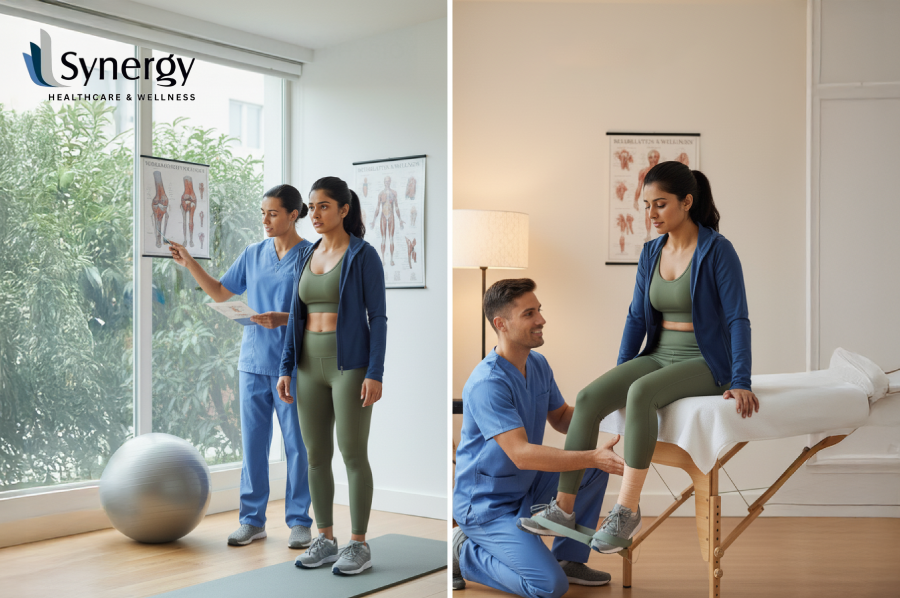
Physiotherapy before and after surgery builds strength, restores motion, and prevents complications. Structured exercises and early movement help patients recover faster and return to daily life safely. With proper guidance and consistent effort, physiotherapy transforms surgical recovery into lasting well-being. Let’s Begin Physiotherapy after surgery helps the body regain movement, strength, and confidence. Before surgery, it can prepare muscles and joints for what lies ahead. After surgery, it accelerates recovery, reduces stiffness, and alleviates pain. A structured plan guided by a qualified physiotherapist allows smoother healing and a safer return to normal activity. This blog explains how physiotherapy, both for post-surgery recovery and pre-surgery preparation, works together to help patients heal efficiently and avoid long-term complications. Pre-Surgery Preparation (Prehab) Why Pre-Operative Physiotherapy Matters Preparing the body before surgery increases the chances of faster and safer recovery. Preoperative physiotherapy focuses on strengthening the muscles around the affected area, improving flexibility, and building stamina. This reduces post-operative weakness and stiffness. A physiotherapist will assess joint range, mobility, and general fitness to design an individual pre-surgery exercise plan. Patients who complete this plan often experience less pain and recover functional movement sooner than those who go in unprepared. Key Exercises and Strategies Before Surgery A prehabilitation program typically includes low-impact activities such as walking, stationary cycling, gentle stretching, and controlled resistance exercises. Breathing exercises are introduced to improve lung capacity, particularly for those undergoing abdominal or cardiac procedures. Pre-surgery physiotherapy also teaches safe techniques for getting in and out of bed, using crutches, or climbing stairs. By training in advance, patients feel more confident managing movement immediately after surgery. How to Optimise the Body for Recovery Sleep, nutrition, and hydration play vital roles. Adequate protein intake supports muscle repair. Balanced meals rich in vitamins and minerals prepare tissues for healing. Patients are advised to engage in light physical activity and manage their stress. This holistic preparation helps ensure the body responds positively to surgery and post-operative rehabilitation. Immediate Post-Surgery Phase (Weeks 1 to 4) Early Goals of Post-Operative Physiotherapy Soon after surgery, the primary goals are to manage pain, control swelling, and prevent stiffness. Physiotherapy after surgery begins as early as the doctor allows, often within 24 to 48 hours. The focus is on safe mobilisation, maintaining circulation, and preventing complications such as blood clots. A gentle range of motion exercise after surgery helps reduce joint tightness and muscle shortening. Even small movements promote healing by improving blood flow to the surgical site. Managing Pain and Swelling Pain management is central to post-operative rehabilitation. Physiotherapists employ techniques such as manual therapy, gentle massage, and ice therapy to manage inflammation. Elevating the limb and following the correct positioning instructions helps limit swelling. Controlled breathing and relaxation techniques also support recovery by reducing anxiety and discomfort. Safe Movement and Early Exercise Patients are guided through a gradual process of mobility restoration after surgery. For example, after a knee or hip replacement, therapists instruct patients on specific movements to restore balance and muscle coordination. Controlled stretching prevents scar tissue from limiting flexibility. Early mobilisation after surgery also improves lung function and reduces the risk of infection for those recovering from abdominal or thoracic procedures. Mid-Phase Rehabilitation (Weeks 4 to 12) Building Strength and Functional Recovery Once pain and swelling subside, physiotherapy for post-surgery recovery shifts to rebuilding strength and function. Progressive resistance exercises target the muscles that were weakened during immobilisation. A combination of strengthening muscle routines after surgery and low-impact cardiovascular training improves endurance. The patient learns how to perform daily activities with correct posture and body mechanics. Managing Scar Tissue and Flexibility Scar tissue can limit movement if not appropriately addressed. Therapists use manual therapy post-surgery to improve tissue elasticity and reduce tightness. Stretching and myofascial release restore smooth joint motion. Patients are also guided through exercises designed to facilitate functional recovery after surgery, which mimic real-life activities such as walking, reaching, or climbing. Maintaining flexibility prevents re-injury and supports long-term independence. Home-Based Program and Progression A personalised home exercise program post-surgery ensures steady improvement between clinic sessions. Patients track their progress and report any discomfort to their therapist. The plan may include gentle resistance bands, balance drills, and exercises to correct posture. Adhering to the home routine is critical to regaining whole movement and strength. Long-Term Recovery and Return to Activity (Three Months and Beyond) Bridging Back to Normal Life As healing progresses, physiotherapy becomes more dynamic. The goal is to return to full function without discomfort. Post-surgical rehabilitation physiotherapy at this stage includes advanced strength training, coordination drills, and endurance exercises. The therapist may simulate work or sport-specific activities to rebuild confidence. Patients learn to recognise safe effort levels and prevent strain. Monitoring Progress and Adjusting the Plan Physiotherapists regularly review mobility, balance, and pain levels. If stiffness or fatigue persists, the plan is adjusted. The physiotherapy recovery plan after surgery adapts as the patient regains independence. Continued sessions help maintain joint health and prevent future injuries. Supporting Long-Term Well-Being Even after formal therapy ends, maintaining regular exercise is vital. Walking, swimming, and yoga help sustain mobility and cardiovascular fitness. Patients who stay active tend to avoid secondary complications such as muscle atrophy or joint stiffness. Physiotherapists often recommend periodic reviews to ensure long-term success. Different Surgery Types and Physiotherapy Focus Joint Replacement Surgery After hip or knee replacement surgery, physiotherapy helps restore walking patterns, balance, and leg strength. Early weight-bearing exercises help improve circulation and reduce swelling. Progressive gait training builds confidence for daily mobility. Focused strengthening of muscles after surgery routines are essential for stability and preventing re-injury. Shoulder and Upper Limb Surgery For shoulder or arm operations, post-surgical rehabilitation physiotherapy emphasises restoring controlled movement without strain. Pendulum exercises and gradual range-of-motion drills reduce stiffness. Resistance exercises follow to rebuild strength once healing is sufficient. Abdominal and Cardiac Surgery Physiotherapy after abdominal or cardiac surgery often begins with breathing exercises and gentle limb movements. This helps prevent chest infections and improves circulation. Gradual walking programs improve stamina and reduce
Physiotherapy vs Massage: Key Differences Explained Clearly
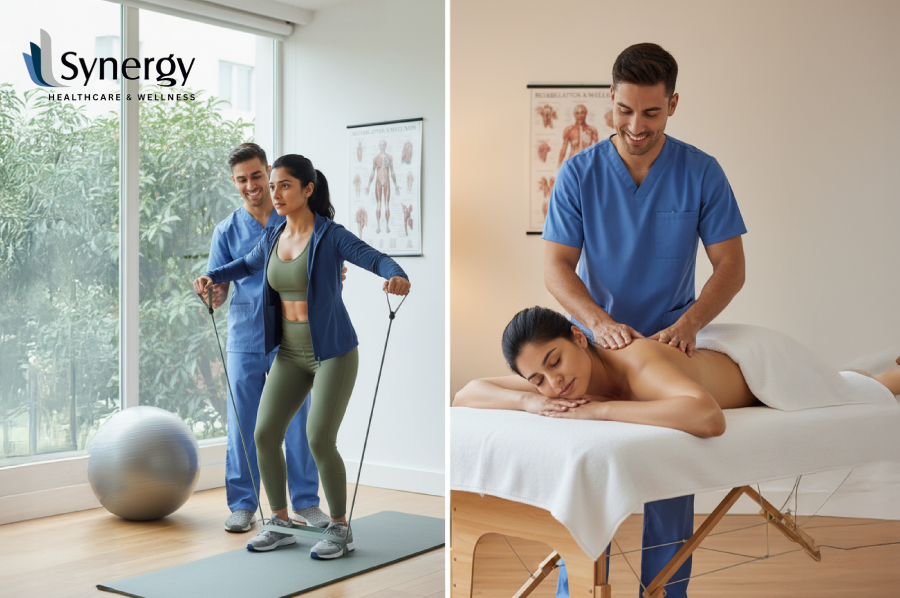
Choosing between physiotherapy vs massage is not about which is better, but rather about which is most suitable for your specific situation. Physiotherapy restores movement and strength after injury or illness. Massage therapy helps relieve tension and promotes overall relaxation. By understanding the difference between massage and physiotherapy treatment goals, you can choose the right professional and set clear expectations for your body’s recovery. Understanding the differences between physiotherapy and massage therapy can help you choose the most suitable treatment approach for your recovery and overall health. Both aim to improve physical well-being, but they use different methods, techniques, and goals. Knowing how each works allows you to make an informed decision that matches your condition and lifestyle. What Is Physiotherapy? Definition and Scope Physiotherapy focuses on restoring movement, strength, and function after injury, illness, or surgery. A licensed physiotherapist assesses how your muscles, joints, and nerves work together, then develops a structured plan to improve mobility and reduce pain. This form of care is based on clinical research and medical assessment. Typical Goals The purpose of physiotherapy and massage differs significantly. Physiotherapy targets the root cause of physical limitations, including muscle weakness, joint stiffness, or nerve issues. Treatment often includes manual therapy, joint mobility work, and progressive strengthening exercises. Each treatment plan is tailored to individual recovery needs and is adjusted as progress continues. Who Delivers It Only a licensed physiotherapist with recognised academic and clinical credentials provides physiotherapy. These professionals work in hospitals, sports centres, and private practices. Their training enables them to diagnose movement disorders, create effective rehabilitation exercise programs, and guide patients through long-term recovery. Common Conditions Treated Physiotherapy is recommended for musculoskeletal injuries, arthritis, back and neck pain, post-surgical rehabilitation, and neurological conditions such as stroke or multiple sclerosis. It also plays a key role in preventing future injuries by improving posture and flexibility. What Is Massage Therapy? Definition and Scope Massage therapy involves the manipulation of soft tissues such as muscles, tendons, and ligaments to relieve tension and promote relaxation. A licensed massage therapist employs various touch techniques to enhance circulation and promote comfort. The focus is on easing discomfort and stress rather than rebuilding movement patterns. Typical Goals Massage therapy is often used for muscle tension and stress relief. It helps improve blood flow, reduce soreness, and lower stress levels. It is especially useful for those dealing with fatigue, overuse injuries, or general body stiffness. Who Delivers It A licensed massage therapist is trained in anatomy, physiology, and methods such as soft tissue mobilisation, trigger point therapy, and soft tissue massage. While they do not diagnose injuries, they often work in collaboration with physiotherapists and doctors to complement medical treatment. Common Conditions Treated Massage therapy helps with tension headaches, repetitive strain injuries, post-workout soreness, and chronic stiffness. It can be part of a wellness maintenance plan or a supportive therapy alongside physiotherapy. Physiotherapy vs Massage: Comparison Treatment Approach Physiotherapy and massage therapy differ most clearly in purpose and process. Duration and Frequency Cost Expectations Outcomes and Limitations Used together, they can produce excellent results—massage reduces tension while physiotherapy restores structure and movement. How to Choose Between Them Questions to Ask Yourself Before deciding, ask what you hope to achieve. Scenario-Based Guidance When Both Therapies Work Together Many people benefit from a combined treatment plan. The physiotherapist improves movement and joint function, while the massage therapist helps keep tissues healthy between sessions. For example, a runner might use physiotherapy for gait correction and massage to reduce tension before training. Practical Tips Before You Book What to Check in a Clinic or Therapist Verify that your provider is certified and has relevant experience. A licensed physiotherapist or licensed massage therapist should have recognised qualifications and positive reviews. Check whether the clinic specialises in conditions like sports injuries, post-operative recovery, or chronic pain. What to Expect in the First Session During physiotherapy, expect an assessment covering posture, flexibility, strength, and coordination. The therapist explains findings and outlines a plan with clear goals. In massage therapy, the first session focuses on comfort level, preferred pressure, and specific muscle areas that need attention. How to Maximise Results Follow all prescribed exercises between physiotherapy sessions to maintain progress. After massage therapy, gently stretch and drink water to aid in recovery. Regular communication with your therapist helps fine-tune treatment to your response and comfort. Safety Considerations Always share your medical history with your healthcare provider before starting any therapy. People with fractures, inflammation, or open wounds should avoid massage over those areas. Those with circulatory or heart issues should consult a doctor before starting intense physiotherapy. Both methods are safe when provided by trained professionals. Focused Treatment, Personalised for Every Patient Synergy Healthcare & Wellness is a specialised physiotherapy and rehabilitation centre in Chennai built on clinical expertise and patient trust. Our senior doctors and physiotherapists carry out comprehensive assessments and craft customised treatment plans focused on restoring movement and reducing pain. We maintain exacting standards in care delivery and emphasise consistent progress through evidence-based methods. With branches in Anna Nagar, T Nagar and Adyar, we serve diverse communities across the city. Whether you are recovering from surgery, managing chronic pain or aiming for better mobility, our team supports you through each stage of recovery. Takeaway The choice between physiotherapy and massage therapy depends on your condition and goals. Physiotherapy focuses on diagnosing, strengthening, and restoring movement. Massage therapy focuses on promoting relaxation, improving circulation, and alleviating tension. When combined thoughtfully, they complement each other. Physiotherapy addresses the root cause, while massage therapy helps maintain comfort and promote recovery. If you are recovering from an injury, experiencing limited mobility, or managing chronic pain, consider consulting a physiotherapist. If your primary goal is stress reduction or muscle relaxation, a massage therapist can assist you. Many individuals discover that alternating between the two provides the most comprehensive balance of care. FAQ’s Is Massage Therapy the Same as Physiotherapy? No. Massage therapy and physical therapy differ in purpose. Massage focuses on relaxation