
How Physiotherapy Helps ACL Injuries Caused by Monsoon Slips
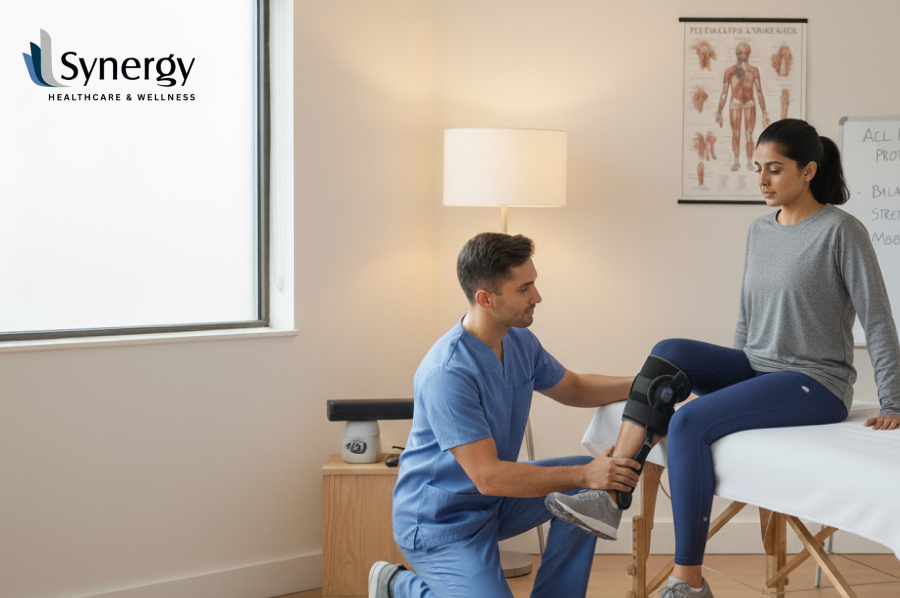
The monsoon brings cooler days and a sense of renewal, but it also turns roads, stairs, and tiled floors into hidden hazards. A single misstep on a wet surface can cause the knee to twist violently, leading to an ACL injury that requires careful recovery. In such cases, ACL injury physiotherapy tears becomes the key to regaining movement, strength, and confidence in every step. Understanding ACL Injuries from Slips in the Rainy Season The anterior cruciate ligament (ACL) is one of the main stabilising ligaments of the knee. It connects the thigh bone to the shin bone and prevents excessive forward motion of the tibia. When you slip during the monsoon season, your body reacts suddenly, the knee rotates or bends awkwardly, and the ligament may stretch or tear. Unlike sports injuries, monsoon-related knee ligament injuries often occur in people simply walking on wet stairs or tiles. Such accidents can cause intense pain, immediate swelling, and difficulty bearing weight. In severe cases, the knee gives way even during light movement. Falls on slick surfaces are particularly dangerous because the impact angle is unpredictable. The combination of poor traction, quick body reflex, and unprepared leg muscles creates the perfect setup for an ACL tear. It is essential to treat this injury promptly through a well-planned ACL injury physiotherapy program. The Role of Physiotherapy After an ACL Tear After a slip injury, the knee usually becomes stiff and swollen. Rest alone does not restore its natural stability. That is where ACL rehabilitation through physiotherapy takes over. The goal is to restore motion, rebuild muscle control, and retrain balance mechanisms that protect the joint. A structured ACL rehabilitation program typically progresses through clear stages: Early Recovery Phase The physiotherapist begins with pain management, swelling control, and gentle movement. Techniques such as ice application, compression, and elevation reduce inflammation. Assisted exercises encourage early range of motion without straining the ligament. Strength and Stability Phase As pain decreases, attention shifts to muscle strength, especially the quadriceps and hamstrings. These muscles support the knee and compensate for ligament weakness during healing. Controlled strengthening prevents knee instability and helps you regain confidence in walking. Proprioception and Coordination Phase Once strength returns, therapy focuses on proprioception training, which means retraining your sense of balance and joint awareness. Exercises on unstable surfaces, step-ups, and single-leg drills help rebuild reflexes that protect the joint from future slips. Functional Rehabilitation Phase In the later weeks, therapy prepares you for daily movements, walking on uneven ground, climbing stairs, or returning to sport. The physiotherapist monitors alignment and ensures that both legs move symmetrically before discharge. A dedicated physiotherapy treatment for an ACL tear can make the difference between long-term weakness and full recovery. Adapting Rehabilitation to Monsoon Conditions Recovering from a knee ligament tear during the rainy season requires extra caution. Wet floors increase the risk of re-injury, and humidity can make indoor workouts uncomfortable. A physiotherapist adapts exercises to your environment to maintain safety and consistency. Indoor Exercise Planning If outdoor movement is restricted, a home physiotherapy plan for ACL injury can be set up with minimal equipment. Elastic resistance bands, balance cushions, and simple household supports allow you to continue progress indoors. Surface and Footwear Adjustments Using footwear with strong grip and cushioning protects the knee during recovery. Rugs, mats, and slippery tiles should be avoided until the joint regains stability. Your therapist may recommend simple changes such as rubber-soled shoes or anti-slip flooring—to reduce risk. Humidity Management Monsoon humidity can cause mild joint stiffness. Light warm-up routines, proper hydration, and indoor stretching sessions counter this effect. Physiotherapists often include flexibility drills for the calves and hamstrings to maintain comfort and blood circulation. Sample Physiotherapy Plan for ACL Recovery While each case differs, this general guideline outlines what many ACL rehabilitation programs follow: Weeks 1–2: Healing and Mobility Weeks 3–6: Strength and Control Months 2–4: Balance and Endurance Months 4–6: Return to Activity A licensed physiotherapist ensures progression through these stages only when the knee is ready. Trying to rush recovery can lead to new knee instability after an ACL tear or chronic pain. When to Seek Professional Help Some patients expect mild knee pain to heal with rest. However, symptoms like locking, repeated swelling, or a feeling that the knee “slips out” signal a deeper issue. You should consult a physiotherapist or orthopaedic specialist if you notice any of these signs after a fall. A professional evaluation can confirm whether it is a mild sprain or a complete ACL tear. Imaging studies, such as MRI, help determine the extent of the damage. Based on results, the specialist may recommend non-surgical ACL rehabilitation or refer you for surgical reconstruction followed by ACL reconstruction physiotherapy protocol. Physiotherapists play a vital role even after surgery. They guide you through each milestone—reducing pain, restoring joint mobility, and ensuring a safe return to normal activity. Regular check-ups maintain progress and prevent relapse. Preventing ACL Injuries During Monsoon Avoiding another injury is as important as recovering from one. During the rainy season, focus on prevention through awareness and preparation. Stay Alert on Slippery Surfaces Be cautious on wet stairs, pavements, and tiled entries. Slow your pace and use railings when available. Avoid sudden turns or jumps when walking in rain gear that restricts movement. Choose Proper Footwear Footwear with good traction reduces your risk of slipping. Replace worn-out soles, and clean mud or oil from shoes to maintain grip. Strengthen and Stretch Regularly Maintaining strong leg muscles is the best long-term protection for the knee joint. Perform ACL injury prevention exercises like hamstring curls, side-steps, and balance drills at home. Flexibility in the calves and thighs also helps absorb shock during sudden movement. Improve Body Awareness Balance exercises on one leg, with eyes closed or on soft surfaces, improve coordination. These simple routines train your body to react quickly if a slip occurs. Keep Your Surroundings Safe At home, place absorbent mats near entrances and wipe spills immediately. Proper lighting also helps spot wet
How to Stop Night Leg Cramps with Physiotherapy Exercises

Night leg cramps disrupt rest and signal underlying muscle imbalance or fatigue. Physiotherapy relieves these cramps through targeted stretching, strength training, and improved posture. A consistent routine restores mobility, enhances circulation, and helps ensure uninterrupted sleep. Let’s Begin Night leg cramps often strike without warning. One moment you are resting; the next, your calf or thigh muscle tightens so sharply that it feels impossible to move. These sudden contractions, called nocturnal leg cramps, are common among adults and older individuals. While quick stretching may help in the moment, lasting relief requires a structured approach. Physiotherapy for cramps offers that path, restoring flexibility and preventing recurring pain through targeted exercise and muscle retraining. Understanding What Causes Leg Cramps at Night Muscle fatigue and posture imbalance During the day, muscles work continuously—standing, walking, climbing stairs, or even sitting for long hours. Fatigued or shortened muscles, especially in the calf and hamstring, often spasm when the body relaxes during sleep. Poor posture and limited flexibility further increase the strain on these muscle groups, creating a perfect setup for nighttime muscle tightening. Circulation and nerve function Restricted blood flow is another frequent factor. When circulation slows, the muscles receive less oxygen, and metabolic waste accumulates. This imbalance may trigger involuntary contractions in the lower legs. Certain nerve-related conditions or prolonged inactivity also contribute to muscle cramps in the legs at night, especially in those who spend long hours at a desk or who stand on hard surfaces all day. Lifestyle and sleep triggers Dehydration, low magnesium or potassium, and certain medications (such as diuretics) may intensify cramping. Alcohol consumption before bed, high caffeine intake, and sleeping in a position that shortens the calf muscles can also provoke these painful spasms. Physiotherapists address not only the muscles themselves but also these related habits, ensuring a comprehensive solution rather than temporary relief. Why Physiotherapy Works for Night Leg Cramps Stretching to restore flexibility Physiotherapy begins by improving muscle length and joint mobility. Regular stretching of the calf, hamstring, and quadriceps helps prevent the sudden leg cramp wake-up that disturbs rest. Simple routines—like a gentle calf stretch before bed—train the muscle to relax through its full range of motion. Strengthening to prevent fatigue Tight muscles are often weak muscles. A physiotherapist designs progressive routines that strengthen the supporting structures of the legs, particularly the shin, ankle, and hip stabilisers. Stronger muscles resist fatigue and maintain better control, lowering the risk of involuntary muscle contraction in the legs during sleep. Correcting gait and posture When the body’s alignment shifts—through flat feet, knee rotation, or a tilted pelvis—the leg muscles must overwork to stabilise movement. A professional evaluation can identify these imbalances. Adjusting walking patterns and adding corrective drills can stop repetitive lower-leg strain, which otherwise leads to cramping after prolonged standing or walking. A Step-by-Step Physiotherapy Programme for Night Leg Cramps Physiotherapy progresses through three stages: assessment, active correction, and maintenance. Step 1: Baseline assessment A therapist first reviews daily habits and physical alignment. They check muscle tightness in the calves, hamstrings, and hip flexors, observe walking patterns, and test joint flexibility. This step ensures that your exercise plan addresses the exact cause of your nocturnal leg cramps rather than offering generic advice. Step 2: Early-phase exercises (Week 1–2) These movements target flexibility and light activation. These exercises loosen shortened fibres and improve circulation in lower-leg muscles prone to spasm. Step 3: Strength-building phase (Week 3–4) When flexibility improves, the focus turns to endurance and control. Step 4: Maintenance and self-care Once strength returns, maintaining flexibility becomes crucial. Lifestyle Habits That Support Physiotherapy Hydration and electrolytes Muscles need water and minerals to contract and release properly. Drinking throughout the day—not just before bed—prevents dehydration. Foods rich in magnesium, calcium, and potassium, such as bananas, leafy greens, and yoghurt, can reduce the occurrence of leg cramps at night. Sleep posture and daily movement A slightly elevated headboard or a pillow under the knees can improve blood return from the legs. Stretching before bed lengthens the muscles and decreases the risk of nighttime tightening. During the day, alternate sitting and standing, and take short movement breaks if your work requires long periods in one position. These small changes complement the effects of physiotherapy for cramps. When to seek help If night leg cramps occur frequently, disrupt sleep, or spread to other areas such as the feet or thighs, professional evaluation is essential. A physiotherapist or physician can rule out vascular, neurological, or metabolic causes and tailor a programme to your individual condition. Early management prevents chronic pain and maintains mobility. Integrating the Programme into Everyday Life Effective prevention depends on routine. Keep your stretch band near your bedside, so your nightly exercises become part of winding down. Track the nights you experience cramps and note improvements. This awareness helps maintain discipline and demonstrates the benefits of structured leg cramp physiotherapy. Regular movement throughout the day is equally important. A ten-minute walk after dinner or gentle ankle rotations while sitting can make a measurable difference in circulation. Over time, these habits transform how your legs respond to rest, turning sleep from a source of discomfort into genuine recovery. Healing Begins with the Right Hands At Synergy Healthcare and Wellness in Chennai, we provide expert physiotherapy and rehabilitation services rooted in clinical integrity and personalised care. From the first consultation with a senior doctor through to guided recovery with our skilled physiotherapy team, each treatment plan is designed for lasting improvement. We address a broad range of conditions—from back and neck pain to sports injuries, post-surgical recovery and age-related movement issues—with thoughtful, structured pathways. Our goal is to restore pain-free mobility, improve quality of life, and support your body’s potential to heal. Conclusion Physiotherapy for cramps addresses both symptom and cause. Through guided stretching, strength training, and attention to posture, it restores balance to overworked leg muscles and reduces the painful interruptions of nocturnal leg cramps. With consistent practice, healthy hydration, and mindful posture, your muscles learn to relax rather than
Physiotherapy Care for Patients After Angioplasty Surgery

A structured program of physiotherapy after angioplasty helps restore heart strength, mobility, and confidence during recovery. Guided exercises improve circulation, stamina, and overall cardiac function. With professional supervision and steady progress, patients regain independence while reducing future heart risk. Introduction Recovering from angioplasty surgery is a gradual process that involves more than rest and medication. A well-structured program of physiotherapy after angioplasty restores mobility, strengthens the heart, and helps patients regain confidence in daily activities. Under professional guidance, post-angioplasty physiotherapy offers practical steps to rebuild endurance and manage risk factors that can affect heart health in the long term. Understanding Angioplasty and the Role of Physiotherapy What Happens During Angioplasty and Stent Placement During angioplasty, a thin catheter with a balloon is inserted into the narrowed coronary artery. When the balloon expands, blood flow improves, and a stent keeps the artery open. After surgery, muscles weaken, stamina drops, and anxiety often prevents movement. This is where physiotherapy after stent placement becomes essential. Why Physiotherapy Matters in Cardiac Recovery Early movement supervised by a physiotherapist for angioplasty recovery prevents complications such as blood clots, shortness of breath, or stiffness. Structured exercises improve heart efficiency, lung function, and circulation. In many cardiac units, cardiac rehabilitation physiotherapy begins within 24–48 hours once the patient’s vitals are stable. Benefits of Physiotherapist-Led Recovery A cardiac physiotherapist teaches controlled breathing, posture correction, and gentle mobility tasks that maintain oxygen levels and prevent deconditioning. Over time, regular sessions of physiotherapy after angioplasty build endurance and support long-term heart health. Phases of Physiotherapy After Angioplasty Phase 1: Inpatient Recovery (Day 0 – 7) The first week focuses on safety and gradual re-engagement. Patients learn deep breathing, ankle pumps, shoulder rolls, and supported sitting. These mobility exercises after cardiac intervention reduce the risk of chest tightness and promote blood flow. A therapist monitors heart rate and pressure during all activities. Phase 2: Early Outpatient Stage (Weeks 1 – 12) As the patient returns home, home physiotherapy after angioplasty focuses on walking, gentle stretching, and light strengthening. Aerobic conditioning after angioplasty helps the heart adapt to a mild workload. Sessions usually last 20–30 minutes, three to five times a week. The goal is to restore stamina while keeping the heart rate within the safe training range. Phase 3: Long-Term Maintenance (Month 3 onwards) Once endurance improves, the physiotherapist adds strength training after angioplasty with elastic bands or light weights, along with flexibility drills. Patients are encouraged to follow a home physiotherapy program after angioplasty for continued benefit. The focus now shifts to lifestyle consistency and confidence in daily movement. Key Physiotherapy Exercise Categories Cardiovascular Conditioning Gentle aerobic sessions—slow walking, treadmill, or stationary cycling—form the foundation of post-angioplasty physiotherapy. The therapist calculates a target heart rate and supervises progress using the Rate of Perceived Exertion (RPE) scale. Over weeks, distance and duration increase to improve endurance. Strength Training for Cardiac Recovery Resistance training after a heart procedure starts only after medical clearance. Simple exercises using body weight, light dumbbells, or resistance bands strengthen upper and lower limbs. Proper breathing is important; holding breath during lifts can raise chest pressure and strain the heart. Flexibility and Mobility Flexibility routines such as shoulder circles, calf stretches, and trunk rotations restore range of motion. These mobility exercises after angioplasty surgery prevent muscle tightness and improve posture. A few minutes of stretching before and after aerobic activity lowers injury risk. Home-Based Physiotherapy Once discharged, a home-based cardiac rehab exercise plan allows the patient to continue safely under periodic supervision. A physiotherapist adjusts intensity, monitors progress, and provides guidance through teleconsultation or follow-up visits. Safety, Precautions, and Red Flags Monitoring During Physiotherapy During physiotherapy after angioplasty, patients must watch for signs of overexertion, such as chest discomfort, dizziness, or unusual fatigue. Heart rate monitors and step counters help maintain safe intensity. Activities to Avoid Early On Heavy lifting, stair climbing without support, and isometric exercises are restricted during the first few weeks. These can increase cardiac strain. The physiotherapist progressively reintroduces tasks as stability returns. When to Seek Medical Attention Stop exercise and contact a doctor if you experience chest pain, irregular heartbeat, unusual sweating, or swelling in the legs. These symptoms may indicate cardiac distress requiring immediate review. Tailoring Physiotherapy for Individual Needs Managing Comorbidities Many patients have diabetes, high blood pressure, or obesity. Physiotherapy for angioplasty patients with diabetes involves slower progression, blood sugar monitoring, and foot care. For those with hypertension, relaxation techniques are integrated to avoid pressure spikes. Older Adults and Frailty Older individuals benefit from balance training and supported mobility work. The physiotherapist focuses on safe transitions, fall prevention, and endurance suited to personal capacity. Home Environment and Adaptations A safe setup at home—clear pathways, stable chairs, appropriate footwear—helps sustain home physiotherapy after angioplasty without risk of falls or strain. Simple tools like step counters, resistance bands, or hand grips can maintain motivation and track improvement. Integrating Lifestyle, Nutrition, and Habits Supporting Recovery Beyond Exercise Physiotherapy after angioplasty works best when paired with balanced nutrition and healthy daily habits. Patients are advised to reduce salt, manage portion sizes, and avoid tobacco. Maintaining a consistent sleep schedule supports heart repair. Daily Activity and Return to Work Once endurance improves, light household tasks and short commutes can resume. The physiotherapist monitors exertion levels and ensures readiness before the patient returns to full work. Gradual exposure prevents fatigue and builds confidence. Twelve-Week Physiotherapy Checklist Regular reviews confirm that progress remains safe and aligned with medical advice. Expert Physiotherapy and Rehabilitation with Personalised Care in Chennai At Synergy Healthcare and Wellness, we specialise in physiotherapy and rehabilitation with a commitment to clinical precision and patient-centred recovery. Based in Chennai across Anna Nagar, T.Nagar and Adyar, our senior clinicians and physiotherapists combine evidence-based practice with personalised treatment plans tailored to each individual. We cover a broad range of conditions—from musculoskeletal pain and sports injuries to pre- and post-surgical rehabilitation and neurological care. Our approach emphasises clear assessment, practical goal-setting and skilled hands-on care throughout the
Physiotherapy for Pre and Post Surgery Recovery and Rehab Tips
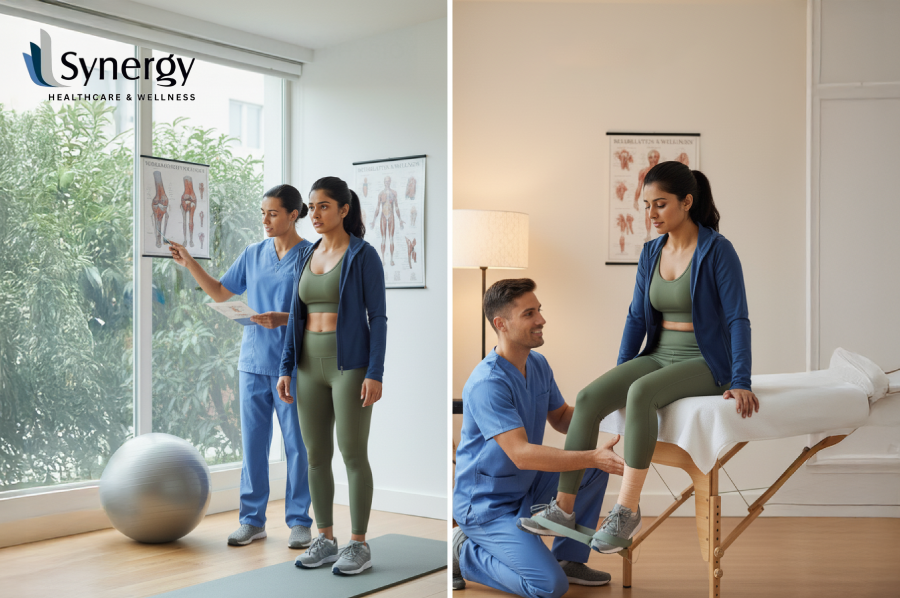
Physiotherapy before and after surgery builds strength, restores motion, and prevents complications. Structured exercises and early movement help patients recover faster and return to daily life safely. With proper guidance and consistent effort, physiotherapy transforms surgical recovery into lasting well-being. Let’s Begin Physiotherapy after surgery helps the body regain movement, strength, and confidence. Before surgery, it can prepare muscles and joints for what lies ahead. After surgery, it accelerates recovery, reduces stiffness, and alleviates pain. A structured plan guided by a qualified physiotherapist allows smoother healing and a safer return to normal activity. This blog explains how physiotherapy, both for post-surgery recovery and pre-surgery preparation, works together to help patients heal efficiently and avoid long-term complications. Pre-Surgery Preparation (Prehab) Why Pre-Operative Physiotherapy Matters Preparing the body before surgery increases the chances of faster and safer recovery. Preoperative physiotherapy focuses on strengthening the muscles around the affected area, improving flexibility, and building stamina. This reduces post-operative weakness and stiffness. A physiotherapist will assess joint range, mobility, and general fitness to design an individual pre-surgery exercise plan. Patients who complete this plan often experience less pain and recover functional movement sooner than those who go in unprepared. Key Exercises and Strategies Before Surgery A prehabilitation program typically includes low-impact activities such as walking, stationary cycling, gentle stretching, and controlled resistance exercises. Breathing exercises are introduced to improve lung capacity, particularly for those undergoing abdominal or cardiac procedures. Pre-surgery physiotherapy also teaches safe techniques for getting in and out of bed, using crutches, or climbing stairs. By training in advance, patients feel more confident managing movement immediately after surgery. How to Optimise the Body for Recovery Sleep, nutrition, and hydration play vital roles. Adequate protein intake supports muscle repair. Balanced meals rich in vitamins and minerals prepare tissues for healing. Patients are advised to engage in light physical activity and manage their stress. This holistic preparation helps ensure the body responds positively to surgery and post-operative rehabilitation. Immediate Post-Surgery Phase (Weeks 1 to 4) Early Goals of Post-Operative Physiotherapy Soon after surgery, the primary goals are to manage pain, control swelling, and prevent stiffness. Physiotherapy after surgery begins as early as the doctor allows, often within 24 to 48 hours. The focus is on safe mobilisation, maintaining circulation, and preventing complications such as blood clots. A gentle range of motion exercise after surgery helps reduce joint tightness and muscle shortening. Even small movements promote healing by improving blood flow to the surgical site. Managing Pain and Swelling Pain management is central to post-operative rehabilitation. Physiotherapists employ techniques such as manual therapy, gentle massage, and ice therapy to manage inflammation. Elevating the limb and following the correct positioning instructions helps limit swelling. Controlled breathing and relaxation techniques also support recovery by reducing anxiety and discomfort. Safe Movement and Early Exercise Patients are guided through a gradual process of mobility restoration after surgery. For example, after a knee or hip replacement, therapists instruct patients on specific movements to restore balance and muscle coordination. Controlled stretching prevents scar tissue from limiting flexibility. Early mobilisation after surgery also improves lung function and reduces the risk of infection for those recovering from abdominal or thoracic procedures. Mid-Phase Rehabilitation (Weeks 4 to 12) Building Strength and Functional Recovery Once pain and swelling subside, physiotherapy for post-surgery recovery shifts to rebuilding strength and function. Progressive resistance exercises target the muscles that were weakened during immobilisation. A combination of strengthening muscle routines after surgery and low-impact cardiovascular training improves endurance. The patient learns how to perform daily activities with correct posture and body mechanics. Managing Scar Tissue and Flexibility Scar tissue can limit movement if not appropriately addressed. Therapists use manual therapy post-surgery to improve tissue elasticity and reduce tightness. Stretching and myofascial release restore smooth joint motion. Patients are also guided through exercises designed to facilitate functional recovery after surgery, which mimic real-life activities such as walking, reaching, or climbing. Maintaining flexibility prevents re-injury and supports long-term independence. Home-Based Program and Progression A personalised home exercise program post-surgery ensures steady improvement between clinic sessions. Patients track their progress and report any discomfort to their therapist. The plan may include gentle resistance bands, balance drills, and exercises to correct posture. Adhering to the home routine is critical to regaining whole movement and strength. Long-Term Recovery and Return to Activity (Three Months and Beyond) Bridging Back to Normal Life As healing progresses, physiotherapy becomes more dynamic. The goal is to return to full function without discomfort. Post-surgical rehabilitation physiotherapy at this stage includes advanced strength training, coordination drills, and endurance exercises. The therapist may simulate work or sport-specific activities to rebuild confidence. Patients learn to recognise safe effort levels and prevent strain. Monitoring Progress and Adjusting the Plan Physiotherapists regularly review mobility, balance, and pain levels. If stiffness or fatigue persists, the plan is adjusted. The physiotherapy recovery plan after surgery adapts as the patient regains independence. Continued sessions help maintain joint health and prevent future injuries. Supporting Long-Term Well-Being Even after formal therapy ends, maintaining regular exercise is vital. Walking, swimming, and yoga help sustain mobility and cardiovascular fitness. Patients who stay active tend to avoid secondary complications such as muscle atrophy or joint stiffness. Physiotherapists often recommend periodic reviews to ensure long-term success. Different Surgery Types and Physiotherapy Focus Joint Replacement Surgery After hip or knee replacement surgery, physiotherapy helps restore walking patterns, balance, and leg strength. Early weight-bearing exercises help improve circulation and reduce swelling. Progressive gait training builds confidence for daily mobility. Focused strengthening of muscles after surgery routines are essential for stability and preventing re-injury. Shoulder and Upper Limb Surgery For shoulder or arm operations, post-surgical rehabilitation physiotherapy emphasises restoring controlled movement without strain. Pendulum exercises and gradual range-of-motion drills reduce stiffness. Resistance exercises follow to rebuild strength once healing is sufficient. Abdominal and Cardiac Surgery Physiotherapy after abdominal or cardiac surgery often begins with breathing exercises and gentle limb movements. This helps prevent chest infections and improves circulation. Gradual walking programs improve stamina and reduce
Physiotherapy vs Massage: Key Differences Explained Clearly
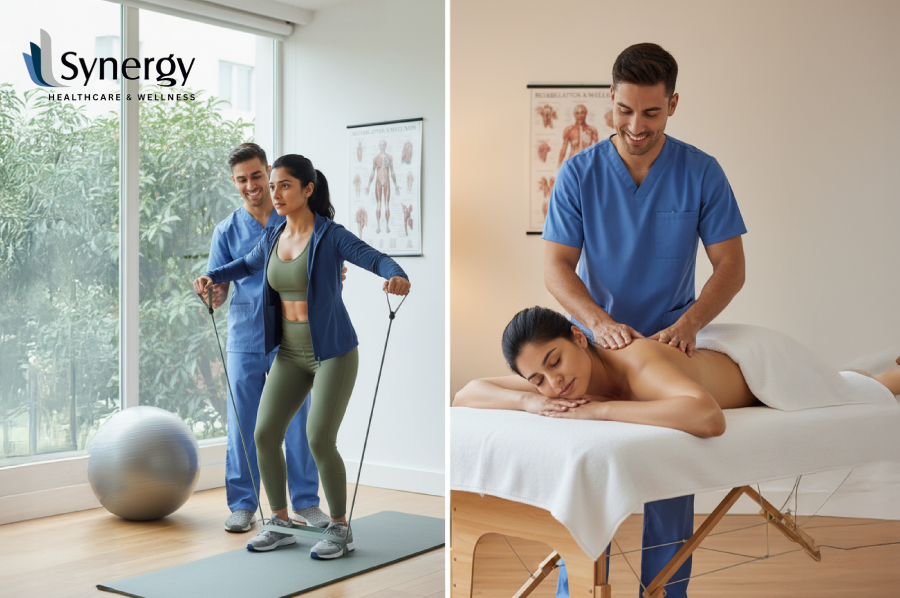
Choosing between physiotherapy vs massage is not about which is better, but rather about which is most suitable for your specific situation. Physiotherapy restores movement and strength after injury or illness. Massage therapy helps relieve tension and promotes overall relaxation. By understanding the difference between massage and physiotherapy treatment goals, you can choose the right professional and set clear expectations for your body’s recovery. Understanding the differences between physiotherapy and massage therapy can help you choose the most suitable treatment approach for your recovery and overall health. Both aim to improve physical well-being, but they use different methods, techniques, and goals. Knowing how each works allows you to make an informed decision that matches your condition and lifestyle. What Is Physiotherapy? Definition and Scope Physiotherapy focuses on restoring movement, strength, and function after injury, illness, or surgery. A licensed physiotherapist assesses how your muscles, joints, and nerves work together, then develops a structured plan to improve mobility and reduce pain. This form of care is based on clinical research and medical assessment. Typical Goals The purpose of physiotherapy and massage differs significantly. Physiotherapy targets the root cause of physical limitations, including muscle weakness, joint stiffness, or nerve issues. Treatment often includes manual therapy, joint mobility work, and progressive strengthening exercises. Each treatment plan is tailored to individual recovery needs and is adjusted as progress continues. Who Delivers It Only a licensed physiotherapist with recognised academic and clinical credentials provides physiotherapy. These professionals work in hospitals, sports centres, and private practices. Their training enables them to diagnose movement disorders, create effective rehabilitation exercise programs, and guide patients through long-term recovery. Common Conditions Treated Physiotherapy is recommended for musculoskeletal injuries, arthritis, back and neck pain, post-surgical rehabilitation, and neurological conditions such as stroke or multiple sclerosis. It also plays a key role in preventing future injuries by improving posture and flexibility. What Is Massage Therapy? Definition and Scope Massage therapy involves the manipulation of soft tissues such as muscles, tendons, and ligaments to relieve tension and promote relaxation. A licensed massage therapist employs various touch techniques to enhance circulation and promote comfort. The focus is on easing discomfort and stress rather than rebuilding movement patterns. Typical Goals Massage therapy is often used for muscle tension and stress relief. It helps improve blood flow, reduce soreness, and lower stress levels. It is especially useful for those dealing with fatigue, overuse injuries, or general body stiffness. Who Delivers It A licensed massage therapist is trained in anatomy, physiology, and methods such as soft tissue mobilisation, trigger point therapy, and soft tissue massage. While they do not diagnose injuries, they often work in collaboration with physiotherapists and doctors to complement medical treatment. Common Conditions Treated Massage therapy helps with tension headaches, repetitive strain injuries, post-workout soreness, and chronic stiffness. It can be part of a wellness maintenance plan or a supportive therapy alongside physiotherapy. Physiotherapy vs Massage: Comparison Treatment Approach Physiotherapy and massage therapy differ most clearly in purpose and process. Duration and Frequency Cost Expectations Outcomes and Limitations Used together, they can produce excellent results—massage reduces tension while physiotherapy restores structure and movement. How to Choose Between Them Questions to Ask Yourself Before deciding, ask what you hope to achieve. Scenario-Based Guidance When Both Therapies Work Together Many people benefit from a combined treatment plan. The physiotherapist improves movement and joint function, while the massage therapist helps keep tissues healthy between sessions. For example, a runner might use physiotherapy for gait correction and massage to reduce tension before training. Practical Tips Before You Book What to Check in a Clinic or Therapist Verify that your provider is certified and has relevant experience. A licensed physiotherapist or licensed massage therapist should have recognised qualifications and positive reviews. Check whether the clinic specialises in conditions like sports injuries, post-operative recovery, or chronic pain. What to Expect in the First Session During physiotherapy, expect an assessment covering posture, flexibility, strength, and coordination. The therapist explains findings and outlines a plan with clear goals. In massage therapy, the first session focuses on comfort level, preferred pressure, and specific muscle areas that need attention. How to Maximise Results Follow all prescribed exercises between physiotherapy sessions to maintain progress. After massage therapy, gently stretch and drink water to aid in recovery. Regular communication with your therapist helps fine-tune treatment to your response and comfort. Safety Considerations Always share your medical history with your healthcare provider before starting any therapy. People with fractures, inflammation, or open wounds should avoid massage over those areas. Those with circulatory or heart issues should consult a doctor before starting intense physiotherapy. Both methods are safe when provided by trained professionals. Focused Treatment, Personalised for Every Patient Synergy Healthcare & Wellness is a specialised physiotherapy and rehabilitation centre in Chennai built on clinical expertise and patient trust. Our senior doctors and physiotherapists carry out comprehensive assessments and craft customised treatment plans focused on restoring movement and reducing pain. We maintain exacting standards in care delivery and emphasise consistent progress through evidence-based methods. With branches in Anna Nagar, T Nagar and Adyar, we serve diverse communities across the city. Whether you are recovering from surgery, managing chronic pain or aiming for better mobility, our team supports you through each stage of recovery. Takeaway The choice between physiotherapy and massage therapy depends on your condition and goals. Physiotherapy focuses on diagnosing, strengthening, and restoring movement. Massage therapy focuses on promoting relaxation, improving circulation, and alleviating tension. When combined thoughtfully, they complement each other. Physiotherapy addresses the root cause, while massage therapy helps maintain comfort and promote recovery. If you are recovering from an injury, experiencing limited mobility, or managing chronic pain, consider consulting a physiotherapist. If your primary goal is stress reduction or muscle relaxation, a massage therapist can assist you. Many individuals discover that alternating between the two provides the most comprehensive balance of care. FAQ’s Is Massage Therapy the Same as Physiotherapy? No. Massage therapy and physical therapy differ in purpose. Massage focuses on relaxation
Does Physiotherapy Help Weight Loss? Key Facts You Must Know

Weight loss advice is everywhere, yet many people who genuinely try to be active find that pain, stiffness, or breathlessness stop them long before motivation does. This is where physiotherapy becomes more than a treatment for injury. In the right hands, it turns into a practical, medically guided way to support safe and sustainable weight loss. This blog explains how does physiotherapy help weight loss, what the evidence shows, and when a structured programme with a physiotherapist in Chennai might be worth considering. Key facts at a glance How Weight Loss Really Works Weight loss is always described in complex terms, but the underlying idea is simple. The body stores excess energy as fat. To use those stores, you must create an energy deficit, usually through a combination of eating fewer calories and moving more. There are two important points that are often forgotten. First, the body does not respond well to extreme changes. Crash diets and sudden bursts of very hard exercise may cause short-term losses, but they are difficult to maintain. Many people regain weight once they return to former habits, and some injure themselves when they attempt too much exercise too soon. Second, movement is not only a matter of willpower. If your knees hurt with every step or you become breathless after a few minutes, it is not realistic to expect you to walk briskly for half an hour every day. The same is true if you have long-standing back pain, shoulder impingement, or post-surgical weakness. The intention may be there, but the body is not ready for that level of demand. This gap between good intentions and what the body can tolerate is exactly where physiotherapy belongs. How Physiotherapy Supports Weight Loss Physiotherapy does not melt fat by itself. Instead, it gives you the tools, confidence, and physical capacity to move more often and more safely, so that a healthier lifestyle becomes realistic, not theoretical. 1. Reducing Pain And Improving Movement Many people who carry extra weight develop joint pain, especially around the knees, hips, and lower back. Extra load on the joints, combined with long hours of sitting and weak supporting muscles, can lead to cartilage wear, tendon irritation, and stiffness. A physiotherapist can: As pain settles and joint control improves, daily tasks become easier. A patient who could only walk for five minutes without discomfort may progress to fifteen or twenty minutes. Over weeks, this difference in daily activity begins to matter. 2. Restoring Strength And Fitness Safely General advice about exercise often assumes that everyone can simply start running or join a high-intensity class. Patients with osteoarthritis, disc problems, cardiac disease, or long-standing sedentary habits usually cannot. In a physiotherapy guided programme, the starting point is very different. Your physiotherapist will: For one person, this may mean water-based exercise and cycling to reduce impact on the joints. For another, it may mean careful interval walking on flat ground, interspersed with rest, so that breathlessness is controlled. As your body adapts, the intensity and duration are gradually increased. 3. Personalised Exercise Prescription International guidelines for adults recommend at least 150 minutes of moderate aerobic activity a week for general health, and up to 300 minutes a week or more for weight management and preventing regain. In practice, this can be achieved in many ways. For example: A physiotherapist can translate these abstract numbers into a weekly plan that suits your joints, your schedule, and your medical background. Sessions usually include: Strength training deserves special attention. Building muscle mass not only helps with posture and joint support. It also raises daily energy use, which supports long-term weight control. 4. Supporting Behaviour Change And Consistency From a distance, weight loss looks like a purely physical matter. Up close, it is very much a behavioural one. Many people know they should move more, yet daily pressures, low mood or past negative experiences with exercise keep getting in the way. Good physiotherapy recognises this human side. During follow-up sessions, your therapist will: This combination of clinical knowledge and practical coaching makes it more likely that you will keep going long enough to see results. 5. Working Alongside Nutrition And Medical Care No amount of exercise will overcome a consistently very high calorie intake. When weight loss is a clear goal, physiotherapy should form part of a broader plan that also considers food choices, sleep patterns, and stress. Many patients benefit from: Who Should Consider Physiotherapy-Guided Weight Loss Not everyone who wishes to lose a few kilograms needs to see a physiotherapist. Some groups, though, are especially likely to benefit from this structured approach. 1. People With Knee, Hip, Or Back Pain Extra body weight places a constant load on the lower joints and on the spine. Pain can make everyday walking and stair climbing difficult, which in turn reduces activity and makes weight control harder. A physiotherapist can break this cycle by easing pain, improving joint mechanics, and gradually restoring confidence in movement. 2. Patients Preparing For Or Recovering From Surgery Surgeons often advise patients to lose weight before procedures such as knee replacement, hip replacement, or certain abdominal operations. After surgery, the same patients need careful rehabilitation to regain function without damaging the operated area. Physiotherapy plays a central role in both stages. A pre-operative programme can strengthen muscles and improve fitness so that the operation and recovery are safer. A post-operative programme can help patients return to walking and functional tasks, while also addressing long-term weight management. 3. People With Cardiac Or Respiratory Conditions For patients with coronary artery disease, heart failure, chronic obstructive pulmonary disease, or long-standing asthma, unsupervised vigorous exercise may carry risks. Nevertheless, these patients often need to lose weight to improve their long-term outlook. In such cases, a physiotherapist experienced in cardiac or pulmonary rehabilitation can guide carefully stepped activity. Heart rate, perceived exertion, and symptoms are monitored, and the programme is adapted as fitness improves. 4. Older Adults And Those Fearful Of Movement Many older people worry that exercise
Why Physiotherapy for Professionals is a Game-Changer for Wellness
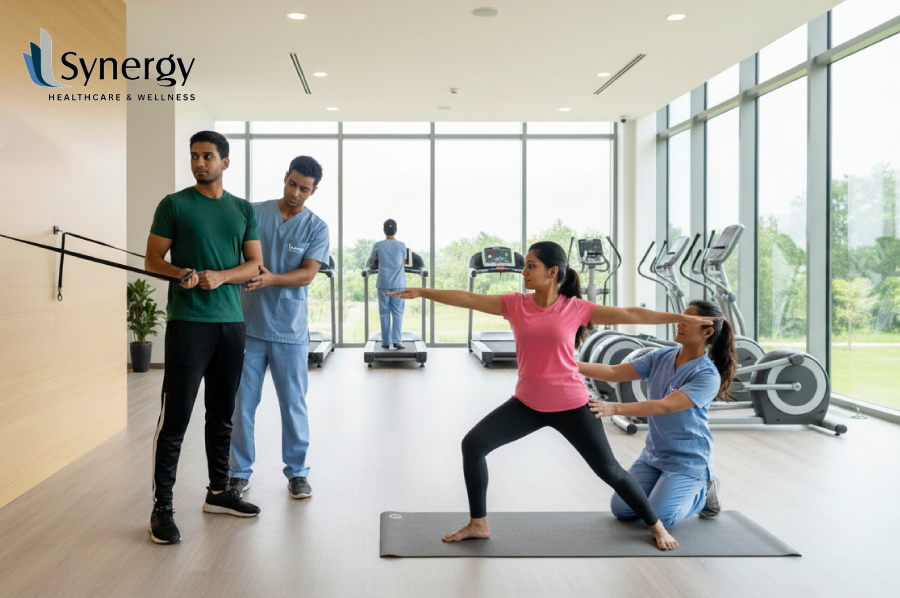
A full working week can look successful on paper and exhausting on the body. Early starts, late evenings, constant screen time, hurried meals, and long commutes all begin to leave a trace. Many people in established careers describe a similar list of complaints. A tight neck by mid-morning. A back that aches on the drive home. Heavy legs after standing all day. Pins and needles in the hands after a long session on the laptop. These problems rarely appear suddenly. They creep in quietly, and they are easy to dismiss as an ordinary part of professional life. That is where real trouble starts. Mild stiffness slowly becomes chronic pain. An occasional twinge turns into a loss of confidence in the body. Exercise and hobbies are reduced or stopped. Sleep is disturbed. The result is a slow decline in overall wellness. Physiotherapy for professionals was created for exactly this pattern. It is a practical way to understand how work is affecting the body, to correct what has gone off track, and to protect health for the long term. How Professional Life Strains The Body Every profession has its own physical demands. Some keep you at a computer for hours. Others expect long periods on their feet. Many roles now mix travel, phone calls and screen work without a fixed routine. Long Hours At A Desk Office-based staff, IT and finance professionals, designers and students may sit for most of the day. Typical features are familiar. Over time, this pattern can lead to neck pain, headaches, aching between the shoulder blades, low back pain, and tingling or heaviness in the arms and hands. Many people also notice that their posture in photographs has shifted. The upper back looks rounded, and the head seems to sit in front of the body rather than above it. Work That Demands Standing, Walking and Lifting Healthcare staff, teachers, retail and hospitality workers, factory staff, and many technical professionals spend full days on their feet. They may walk long distances on hard surfaces, bend to lift equipment, or stand in one place for extended periods. This brings its own set of problems. Hybrid And Travelling Roles Managers, sales representatives, and consultants often work in a different place each day. They may spend hours in cars or on public transport. They use laptops in hotel rooms, cafes or client offices. They often carry bags on one shoulder and sleep on unfamiliar beds. The result is a moving target of discomfort. One week, the neck is stiff. The next week, the lower back complains. Preparing for important meetings becomes harder when the body cannot be trusted to cooperate. The common theme in all of these situations is simple. The job asks the body to repeat certain positions and movements far more often than nature intended. Physiotherapy for professionals focuses on that mismatch and shows how to correct it. What Physiotherapy Really Offers Professionals Physiotherapy is sometimes seen as something that belongs only in hospital wards, sports arenas, or after accidents. For professionals, it has a wider role. It sits at the point where work, movement, and health meet. Instead of treating pain as an isolated problem, the physiotherapist asks three questions. Thoughtful Assessment, Not A Quick Look A good assessment goes well beyond a brief examination of the painful area. It usually includes: For example, someone who works at a computer may be asked to sit as they usually do and to type for a short period. A teacher might be observed standing as if they were addressing a class. These small details help to reveal where strain is gathering. Treatment That Tackles Causes, Not Just Pain Once the pattern is understood, hands-on work and exercise can be chosen with care. A typical plan may include: The goal is a body that moves more freely and copes better with real life, not a brief period of relief that fades as soon as the next busy week arrives. Why These Changes Affect Wellness In A Meaningful Way Wellness is often reduced to ideas like “eating better” or “finding balance”. Those elements matter, but for professionals, the body’s ability to cope with daily work is just as important. Physiotherapy for professionals can shift that ability in several key areas. Less Background Pain, More Usable Energy Persistent pain behaves like a constant extra task for the brain. It uses attention and energy even when it sits quietly in the background. When pain is reduced and movement becomes easier, professionals often describe a different quality of day. They can focus for longer. Meetings feel more manageable. The drive home is less draining. There is more energy left for family, study, or leisure. It is not simply that the pain is lower. The whole day feels less like a battle with the body. Better Sleep And Recovery Neck and back problems often appear at night as difficulty finding a comfortable position. Leg and foot problems can cause aching that disturbs sleep. By easing these issues, physiotherapy gives the body a chance to recover properly between working days. Resting muscles perform better. Mood is steadier. Decision-making improves. Confidence In The Body Many professionals quietly fear certain movements. They worry that lifting a suitcase, playing with their children on the floor, or sitting through a long journey might “set off” their pain. This fear narrows what they feel able to do. Graded strength and movement training, planned by a physiotherapist, rebuilds trust. People learn that their back or neck can handle a carefully increased load when guided in the right way. That confidence is a major part of genuine wellness. Every Day Ways Physiotherapy Supports People At Work Physiotherapy does not live only in the clinic. One of its strengths is the way it can be translated into simple actions that professionals can use during the working day. Short Movement Routines That Fit Into A Schedule Professionals rarely have long stretches of spare time. A physiotherapist understands this and designs small, precise routines. Examples include:
Morning Physiotherapy Exercises To Start Your Day Pain Free

When is morning pain a sign to seek help? If you have the same doubt, here’s the answer: Exercise should leave you feeling looser and more confident within a few weeks. It is sensible to book an assessment with a physiotherapist or doctor if: Early assessment can identify whether the problem is mainly muscular, joint-related, nerve-related or linked to an underlying medical condition. Treatment may include tailored exercise, manual therapy, posture training and advice on activity levels. Let’s Begin Waking up with a stiff neck or aching back can make even a simple morning feel heavier than it should. A short set of well-planned morning physiotherapy exercises can loosen your joints, warm your muscles and help your nervous system settle, so you step into the day with more comfort and confidence. This guide has been developed for adults who want a safe, gentle routine that can be done at home, without special equipment. It reflects how our physiotherapists at Synergy in Chennai often structure early morning programmes for people with stiffness and recurring aches. Why Mornings Often Feel Stiff And Sore During sleep, joints are still for several hours. Fluid inside the joints does not circulate as freely, muscles cool down, and the body tends to rest in one or two habitual positions. If you already have a sensitive back, arthritic joints or tight muscles from long desk hours, it is common to feel: Inflammatory conditions, such as certain types of arthritis, can also flare in the early hours. The good news is that for many people, gentle movement that is guided by physiotherapy principles can help oil the joints, improve circulation and calm pain signals. When A Morning Routine Is Safe – And When To Be Cautious Most healthy adults can follow a simple stretching and mobility routine. However, physiotherapists do look for warning signs before suggesting exercises. Speak to a doctor or physiotherapist first if you: If any of these apply, you still may benefit from a routine, but it should be designed and supervised for your particular condition. For everyone else, the rule is simple. Gentle stretch or mild pulling is acceptable. Sharp, catching or increasing pain is a sign to ease off or skip that movement. How To Use These Morning Physiotherapy Exercises A few practical guidelines before you begin: You can perform these exercises once each morning. On days when you wake up especially stiff, you may repeat the shorter routine later in the day as well. Seven Morning Physiotherapy Exercises To Ease Stiffness 1. Gentle Diaphragmatic Breathing And Body Scan (1 To 2 Minutes) This first step settles your breathing and helps you notice stiff areas before you move them. How to do it Helps with 2. Knee Hugs For Lower Back And Hip Stiffness This movement mobilises the lower spine and hips in a comfortable, supported position. How to do it Perform two repetitions on each side, and two repetitions with both knees together if that feels pleasant. Helps with 3. Cat–Camel Spinal Mobilisation Often used in physiotherapy for spinal mobility, this exercise gently moves the back through flexion and extension. How to do it Perform 8 to 10 cycles. Helps with 4. Child’s Pose And Side Stretch Child’s pose lengthens the spine and hips while letting the nervous system relax. The side variation adds a useful stretch for the lower ribs and waist. How to do it Hold the central position for 20 to 30 seconds, and the side stretches for 20 seconds each. Helps with If kneeling is uncomfortable, your physiotherapist can show you chair-based alternatives. 5. Pelvic Tilts For Lower Back Control Pelvic tilts strengthen deep support muscles around the spine and help you control your posture during the day. How to do it Perform 10 to 12 repetitions. Helps with Avoid holding your breath. If your thighs or buttocks grip strongly, try to relax them and let the deep muscles around your tummy work instead. 6. Seated Spinal Twist For Mid-Back Mobility This exercise is easy to do, even if you are short on time and already sitting on the edge of the bed. How to do it Perform three repetitions on each side. Helps with Keep the movement smooth. You should feel a comfortable stretch, not strain. 7. Neck Stretches And Ankle Pumps For Circulation Finishing with neck stretches and ankle movement helps ease tension and boost blood flow before you stand up. Neck side stretch You may rest your hand lightly on the side of your head to guide the movement, but avoid pulling. Ankle pumps Helps with Two Easy Morning Routines You Can Follow You do not need to perform every exercise every day. Here are two sample programmes you can adapt. A 5-Minute Routine For Busy Mornings Ideal when you are rushing, yet want to avoid starting the day in pain. This short series is enough to loosen most joints and settle your breathing. A 10-Minute Routine For Very Stiff Mornings Use this on days when your back or joints feel especially heavy and sore. Move slowly and keep your attention on how your body responds. If any movement consistently aggravates pain, it may need to be modified or replaced by your physiotherapist. How Synergy Healthcare and Wellness Clinic In Chennai Can Support You At Synergy Healthcare and Wellness Clinic in Chennai, we see many people whose first complaint is, “I feel terribly stiff in the mornings.” Often, a carefully graded morning routine is one part of a wider plan that may also include specific strengthening, ergonomic changes at work and advice about sleep positions. If you live in or around Anna Nagar, T Nagar, Adyar or neighbouring areas, a physiotherapist can: You can begin with the home routine from this guide and then bring your questions to an appointment, where the exercises can be fine-tuned to your body. Bringing it together A short, thoughtful set of morning physiotherapy exercises can change how your day begins. By easing stiffness, improving circulation and helping your
The Importance of Physiotherapy in Recovering from Injuries Fast
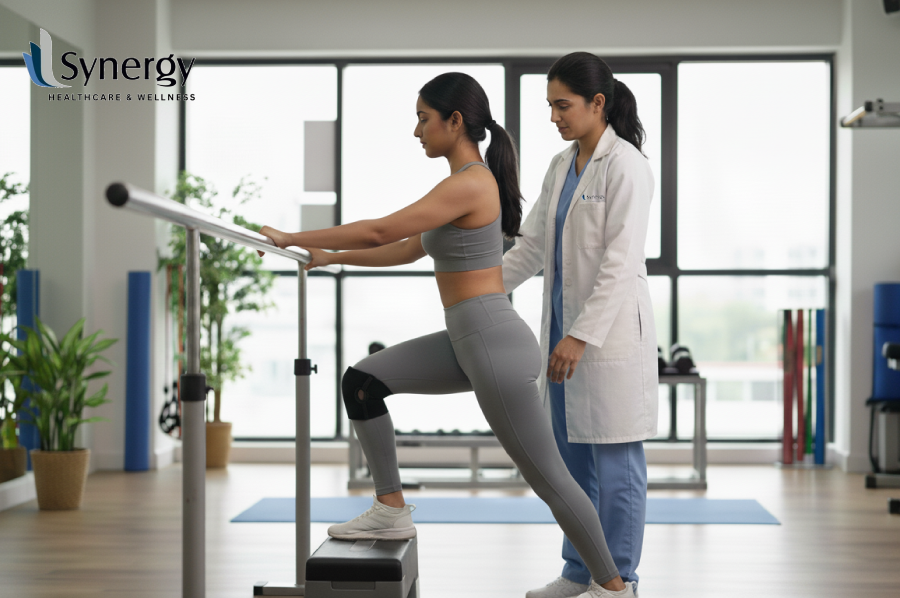
Physiotherapy guides the body through each stage of healing so injuries recover faster, with less pain, stiffness, and weakness than with rest alone. Targeted exercises, manual techniques, and balance training restore strength, movement, and confidence while lowering the risk of future injuries. At Synergy Healthcare and Wellness Clinic in Chennai, structured, individualised rehab helps people return safely to work, sport, and daily life. Let’s Begin Injury changes life very quickly. Walking to work becomes a struggle, sport has to stop, and even simple tasks such as climbing stairs can feel impossible. At that moment, the importance of physiotherapy becomes very clear. Good physiotherapy does much more than ease pain. It helps your body heal in the right way, shortens the time away from normal activity, and reduces the chances of the same problem returning. When treatment is planned and supervised by trained physiotherapists, recovery is usually faster and safer than with rest alone. In this guide, we look at how physiotherapy speeds up recovery from injuries, when to start, and what you can expect from a structured rehabilitation plan at Synergy Physiotherapy and Sports Injury Clinic in Chennai. What Actually Happens To Your Body After An Injury Whether you sprain an ankle on a wet road in Chennai, feel a sharp pull in your shoulder while lifting, or tear a knee ligament during sport, your body goes through the same broad stages of healing. If you simply rest and wait, some healing occurs on its own. The problem is that the new tissue may be weak, stiff, or poorly aligned. Muscles around the joint can waste away, and you may pick up unhealthy movement patterns to avoid pain. That is why physiotherapy is so important in the recovery journey. What Physiotherapy Is And Why It Matters In Injury Recovery Physiotherapy is a clinical profession that uses movement, manual techniques, exercise, and education to restore function after injury, illness, or surgery. In the context of injuries, the aim is clear. The importance of physiotherapy lies in the fact that it guides the body through each stage of healing with purpose. Instead of random rest and occasional activity, you follow a planned path. That path is adapted as your body responds. At Synergy, this path is shaped after a detailed assessment. The physiotherapist looks at the injured tissue, but also at posture, muscle balance, joint stiffness, and lifestyle demands. A runner, a teacher, and an older person recovering after a fall may all have the same type of ankle injury, yet each needs a different approach. How Physiotherapy Helps You Recover From Injuries Faster There is no magic shortcut that can erase healing time completely. However, well-timed, well-chosen physiotherapy can shorten recovery and improve the quality of the result. Reduces Pain Without Relying Only On Medicines Pain after injury has both physical and emotional sides. Gentle manual techniques, specific exercises, taping, and electrotherapy, where appropriate, can calm irritated structures and settle protective muscle spasm. When pain is under better control, you can move more freely. Better movement then helps circulation and healing. This cycle is much more helpful than a pattern of pain, fear, and total inactivity. Medicines prescribed by a doctor can still have an important role, especially in the early phase. Physiotherapy supports them by addressing the underlying mechanical causes of pain instead of masking them. Protects Healing Tissue While Restoring Movement One of the most delicate parts of rehabilitation is finding the right balance between protection and activity. Too much rest leads to stiffness and weakness. Too much load too early can irritate the injury or even cause further damage. Physiotherapists are trained to judge which movements are safe at each stage. For example: By progressing movement step by step, physiotherapy allows you to move earlier without putting the injured structure at risk. This is one of the main reasons people who follow a supervised plan often feel they recover faster than those who manage alone. Maintains Muscle Strength And Joint Flexibility Muscles weaken surprisingly quickly when a limb is rested or placed in a sling or cast. Joints stiffen if they remain still for long periods. These changes can slow recovery even after the original injury has healed. Physiotherapy addresses this through: Keeping muscles active, within safe limits, supports the joint and helps you regain normal movement more quickly once the main healing phase has passed. Improves Balance, Coordination, And Confidence After an injury, the body often “forgets” how to move in a smooth and automatic way. You may walk awkwardly, favour one leg, or hesitate to use the injured arm. This hesitation can persist long after the tissue has healed. Physiotherapists use balance training, gait retraining, and sport-specific drills to restore coordination. For example: As coordination improves, so does confidence. When you trust your body again, you naturally move more, and this helps maintain fitness and strength. Reduces The Risk Of Future Injuries A fast recovery is helpful only if it is also durable. An important part of physiotherapy is finding out why the injury occurred in the first place. Common contributing factors include: By addressing these factors through tailored exercises, advice on daily activities, and sometimes simple changes to habits, physiotherapy lowers the chance of the same injury returning. That long-term protection is a key part of the importance of physiotherapy in modern life. When Should You Start Physiotherapy After An Injury Many people are unsure about the right time to see a physiotherapist. They worry that it is “too early” or that they should wait for complete pain relief. In most cases, an early assessment is helpful. You should seek medical attention urgently if there is severe pain, obvious deformity, deep cuts, head injury, or inability to bear weight. Once serious problems have been ruled out or treated, physiotherapy can usually begin quite soon. Early physiotherapy may include: Waiting for weeks without guidance often leads to extra stiffness and weakness. A short initial consultation can prevent this, even if the main strengthening work is
Daily Physiotherapy Stretches for Stress Relief and Strength
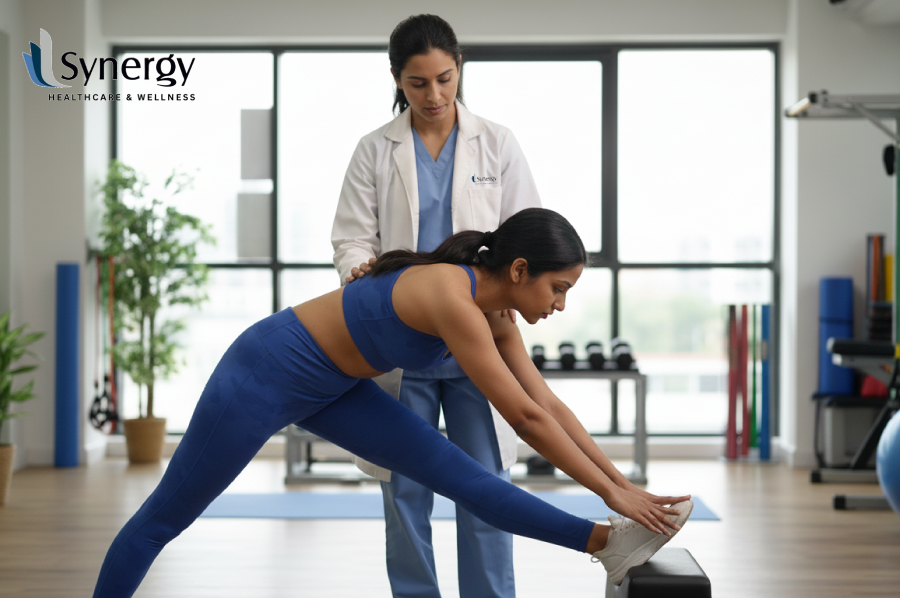
A short daily routine of daily physiotherapy stretches can ease stress, release tension in common problem areas and improve posture. By moving the neck, spine, hips and legs through controlled ranges, you support joint strength and calm the nervous system. The blog explains a practical 10-minute sequence, safer variations and when to seek individual assessment from a physiotherapist in Chennai. Let’s Begin Modern life asks a great deal of the body. Long hours at a desk, time spent in traffic and constant digital noise all place the nervous system under strain. The result is often familiar: a tight neck, stiff shoulders, a dull ache in the lower back and a sense that the body never quite relaxes. A short daily stretching routine, designed with physiotherapy principles in mind, can help to break that pattern. Gentle, regular stretches calm the nervous system, ease muscle tension and keep key muscle groups strong enough to support you through the day. This blog sets out a practical daily routine you can follow at home. It is suitable for most adults who wish to reduce stress, feel more comfortable in their bodies and maintain a basic level of strength. How Stress Affects Your Body When you feel under pressure, your body prepares for action through the stress response. Muscles tighten, breathing becomes shallow, and the heart beats faster. This response is useful in the short term. When it continues for many hours every day, it creates problems. Common physical effects of ongoing stress include: Over time, the body may begin to compensate. Some muscles work too hard while others switch off. Joints can then become overloaded, which increases the risk of pain, strain and injury. A structured programme of daily physiotherapy stretches helps to interrupt this cycle. The aim is not extreme flexibility. The goal is calm, comfortable movement and steady support for the joints that work hardest for you. Why A Daily Physiotherapy Stretching Routine Works A well-chosen set of stretches offers several benefits at once. 1. Calms the nervous system Slow, controlled movement combined with steady breathing sends a clear signal of safety to the brain. This reduces muscle guarding, which is the subconscious tightening that often accompanies stress and pain. 2. Releases common tension areas Most people under stress tighten the same regions: neck, shoulders, chest, lower back and hips. Stretching these specific areas improves circulation, increases tissue temperature and allows muscles to lengthen to a comfortable resting length. 3. Supports strength and joint control Holding a stretch with good alignment lightly activates stabilising muscles. Over time, this improves endurance and helps key muscle groups support the spine, hips and shoulders. The routine below includes small elements of strength work within each position. 4. Improves posture and body awareness When joints move regularly through a healthy range, it becomes easier to sit, stand and walk with less effort. You begin to notice early signs of tightness and can respond before they build into pain. 5. Lifts mood and energy Gentle physical activity is known to support the release of feel-good chemicals in the brain. Many people report feeling clearer, calmer and more alert after a short stretching session. How To Use This Routine Safely Most healthy adults can perform these stretches. However, you should speak to a physiotherapist or doctor before starting if you: General safety guidelines: If you are unsure whether a particular stretch is appropriate for your condition, a physiotherapist can assess you and adapt the routine. Your 10-Minute Daily Physiotherapy Stretch Routine If you have ten minutes, the following sequence provides a simple full-body routine. You can perform it once a day, or twice on busier days, for example, morning and evening. A quick overview: You do not need special equipment, only a mat or firm surface and a clear wall or doorway. 1. Diaphragmatic breathing with shoulder drop Targets: Breathing pattern, upper shoulder tensionHelps with: Settling the nervous system before you stretch Keep the jaw relaxed and the neck long. This sets the tone for the rest of the routine. 2. Neck side stretch and rotation Targets: Side of the neck and upper shoulder musclesHelps with: Desk-related neck tension and stress headaches Avoid lifting the shoulder towards the ear. Keep both shoulders relaxed. 3. Upper shoulder and side of neck stretch Targets: Upper trapezius and levator scapulae musclesHelps with: Shoulder tightness from stress and poor posture The pressure from the upper hand should be very light. You are guiding, not forcing, the movement. 4. Chest doorway stretch Targets: Chest muscles and front of the shouldersHelps with: Rounded posture, upper back strain and shallow breathing If you feel any tingling or numbness in the arms, reduce the depth of the stretch or lower the arm position. 5. Seated thoracic rotation Targets: Middle and upper backHelps with: Stiffness from prolonged sitting and improves rotation Move smoothly without jerking. Focus on the ribs and chest turning, not just the neck. 6. Cat and camel Targets: Spine mobility and deep spinal musclesHelps with: Lower and mid-back stiffness Keep the movement comfortable and avoid forcing the range. The focus is on smooth, controlled motion. 7. Child’s pose Targets: Lower back, hips and shouldersHelps with: General relaxation and spinal decompression If it is difficult to sit back fully, place a folded blanket between your calves and thighs for support. 8. Half-kneeling hip flexor stretch Targets: Front of the hip and thighHelps with: Hip tightness from sitting and supports upright posture Avoid arching the lower back. The sensation should be at the front of the hip, not in the back. 9. Hamstring stretch Targets: Back of the thighHelps with: Lower back strain and leg stiffness Option seated: Option lying: Only move to a level of stretch that allows easy breathing and relaxed shoulders. 10. Calf stretch against the wall Targets: Calf musclesHelps with: Walking comfort and ankle mobility Keep the back foot pointing straight ahead rather than turning outwards. Short Variations For Morning, Workday And Evening On some days, you may not complete the