Concise Overview
If you want to avoid intrusive surgeries and long-term medication for your pain, you must know about non-surgical pain relief methods. Physiotherapy provides evidence-based options to address the underlying cause of suffering. These alternatives include focused exercise, electrotherapy, and manual therapy. If you’re looking for non-surgical treatment that can help you regain strength and mobility, go no further than Synergy’s individualised rehabilitation programs in Chennai.
Introduction: Why Non-Surgical Treatment Is Preferable to Scalpel-Based Approaches?
Having surgery seems to be the last resort for many of the people we see. Getting out of bed in the morning may seem like a hassle if you’ve been battling a persistent “click” in your knee or a dull discomfort in your lower back. Discouragement is easy to come across when rest doesn’t appear to be helping, but many people find that a disciplined, movement-based approach is more effective than a surgical theatre.
There has been a dramatic change in the contemporary medical scene. We now know that, when stimulated with the correct mechanical impulses, the human body possesses an extraordinary ability for self-repair. You may compare surgery to a “hard reset,” and physiotherapy to a “software update” that re-adjusts the way your muscles, joints, and nerves interact with one another. You can save yourself the trouble of anaesthesia, scarring, and the arduous recovery time after surgery by starting with a less invasive option.
If you’re looking for a non-surgical pain relief methods that can alleviate pain and promote internal healing without cutting into your skin or requiring a lengthy hospital stay, this article is for you.
A Signal, Not a Sentence: Pain in Understanding
Defining pain is a necessary first step before exploring potential remedies. As a basic explanation, pain serves as your body’s warning system. Things aren’t necessarily “broken” when this happens; more often than not, it indicates that a tissue is “unhappy” or overwhelmed due to a certain motion.
- Mechanical pain is often associated with movement. You risk straining your lower back if your glutes aren’t strong enough.
- The body’s first reaction to an injury is inflammation, which can manifest as pain, redness, swelling, or heat.
- To alleviate neuropathic pain, which originates in the nervous system (such as the “zing” of sciatica), one must employ specialised “nerve gliding” methods.
In order to alleviate your pain by non-surgical pain relief methods, it is necessary to first determine the nature of your pain. Only then can we apply the most appropriate non-surgical techniques.
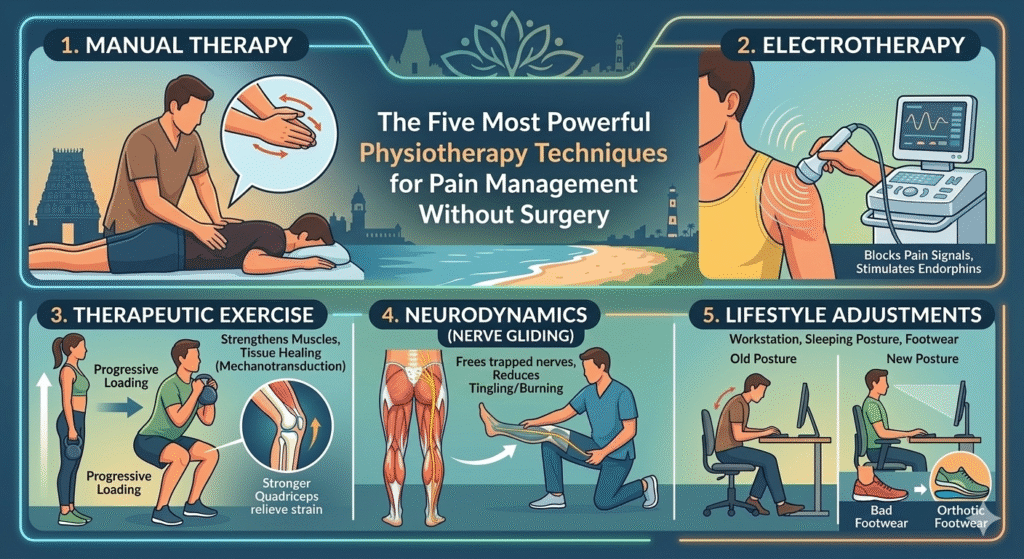
The Five Most Powerful Physiotherapy Techniques for Non-Surgical Pain Relief Methods
1. Mastering the Art of Manual Therapy
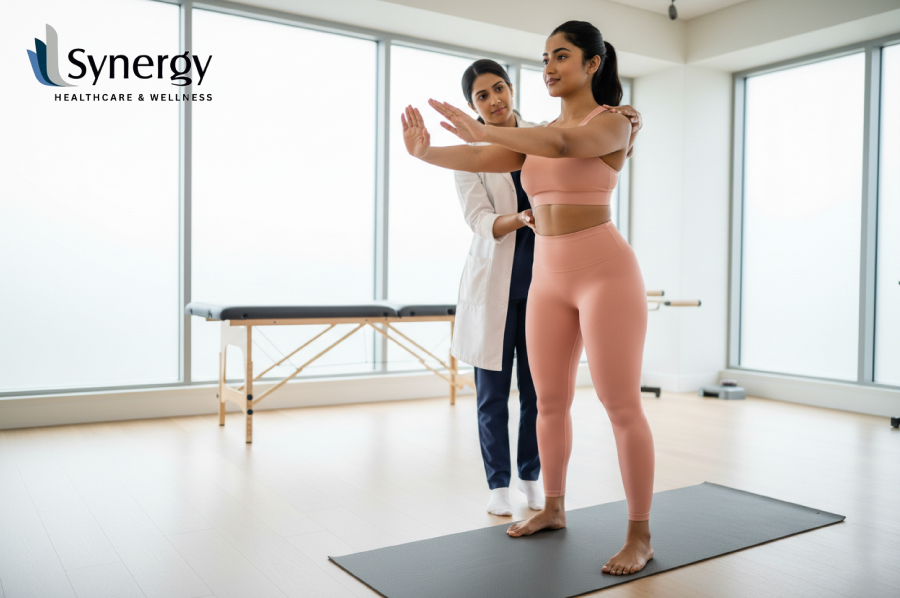
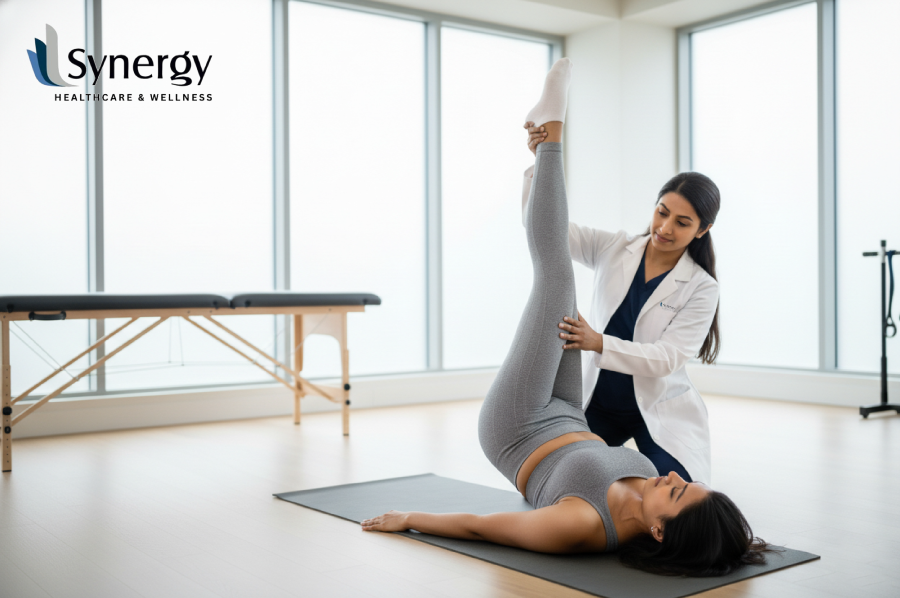
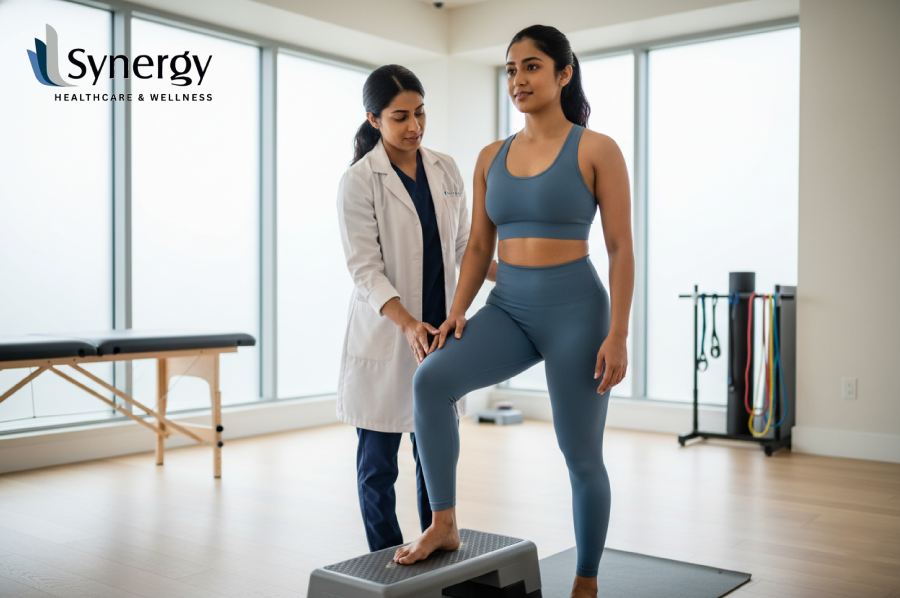
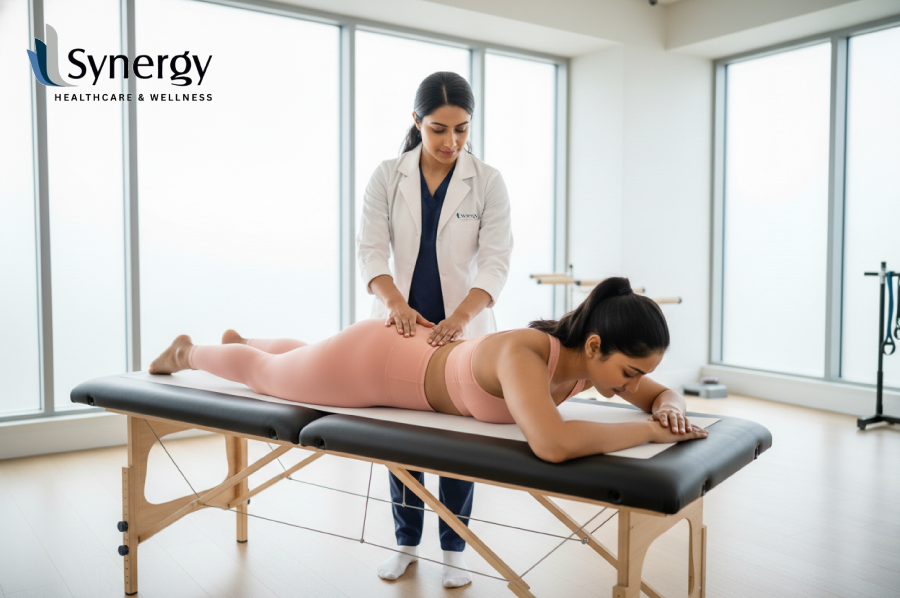
The “hands-on” method of manual therapy involves the physiotherapist manipulating the patient’s soft tissues and joints using predetermined motions.
Components of the technique:
- Joint mobilisation, also known as light rhythmic motions
- Dry needling
- Myofascial release
Its effectiveness:
A study published in the Journal of Manual & Manipulative Therapy found that these approaches had the ability to block pain signals to the brain, activating “mechanoreceptors” that provide an instant reduction in pain.
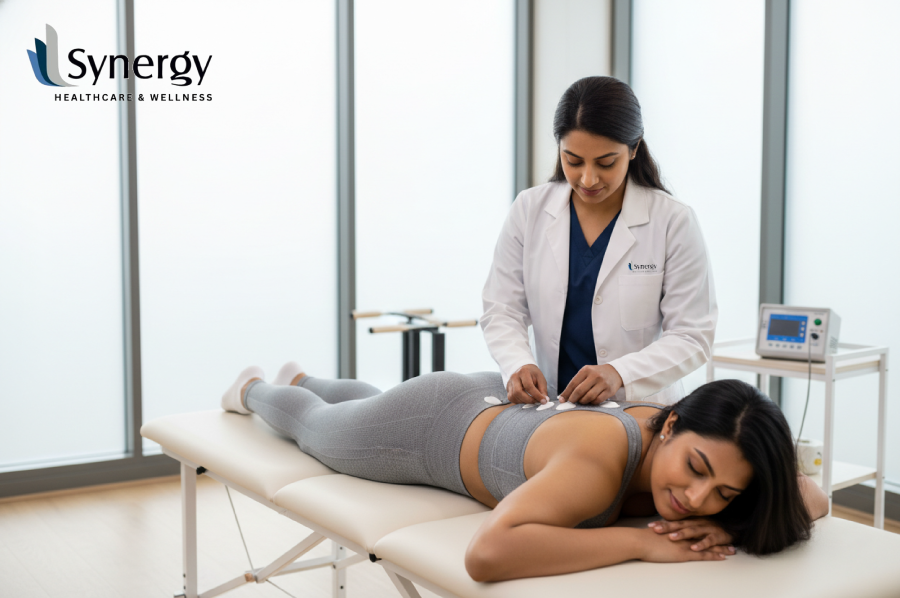
2. Electrotherapy for Pain Management
The ‘alarm system’ of the body needs to be calmed down before an exercise program can be started.
Approaches taken:
- Ultrasound
- Intraoperative field treatment
- Nerve stimulation by transcutaneous electrical current (TENS)
What makes these devices so useful:
By delivering mild electrical pulses or sound waves, they alleviate inflammation and trigger the production of endorphins, the body’s inherent painkillers.
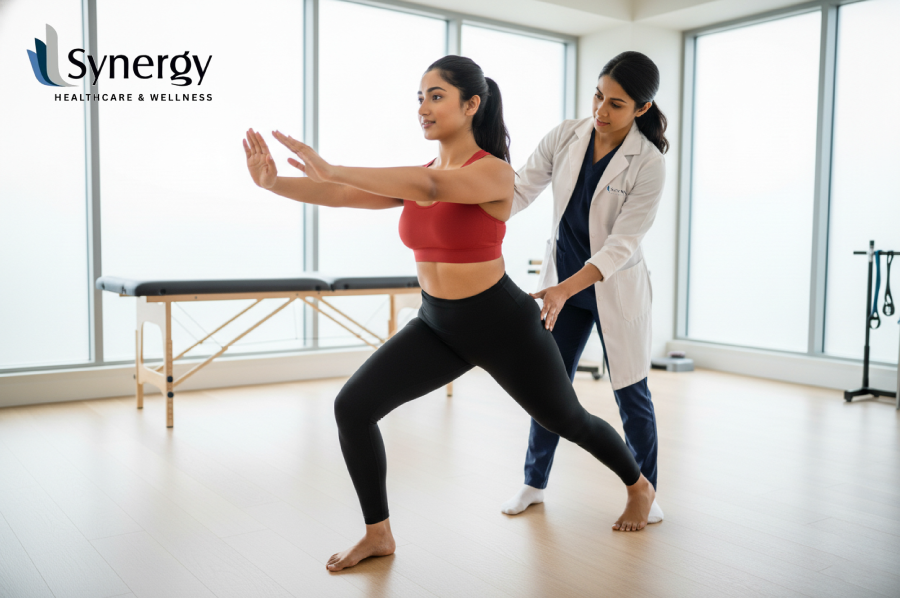
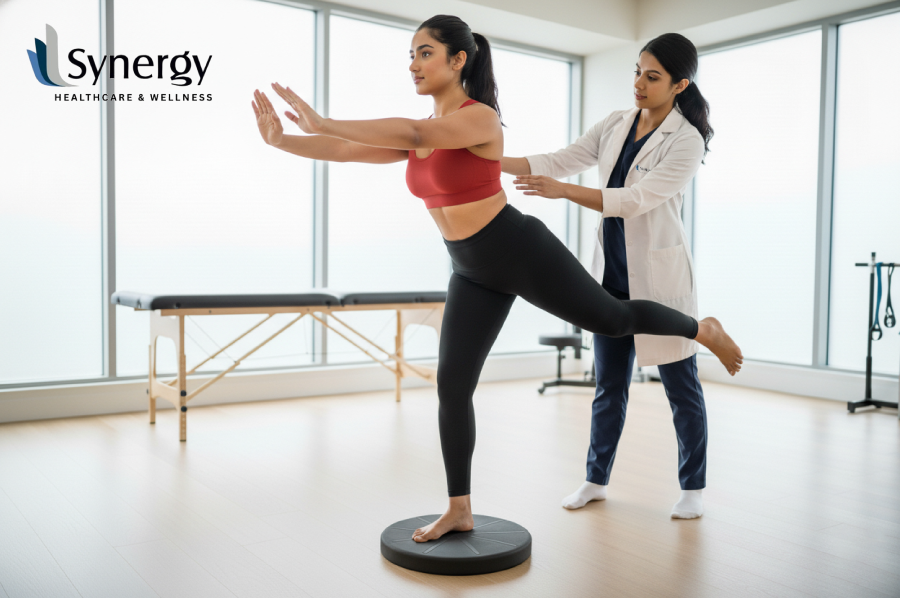
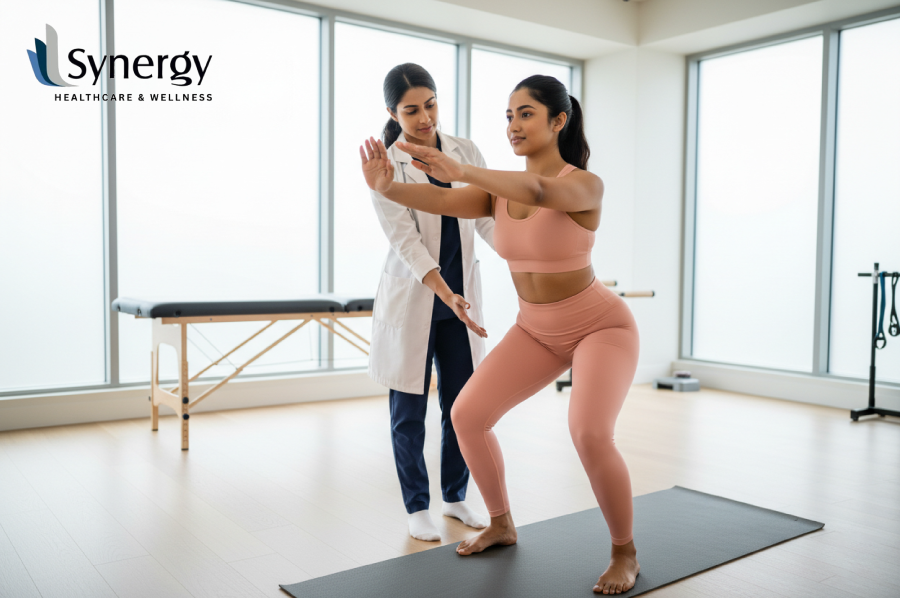
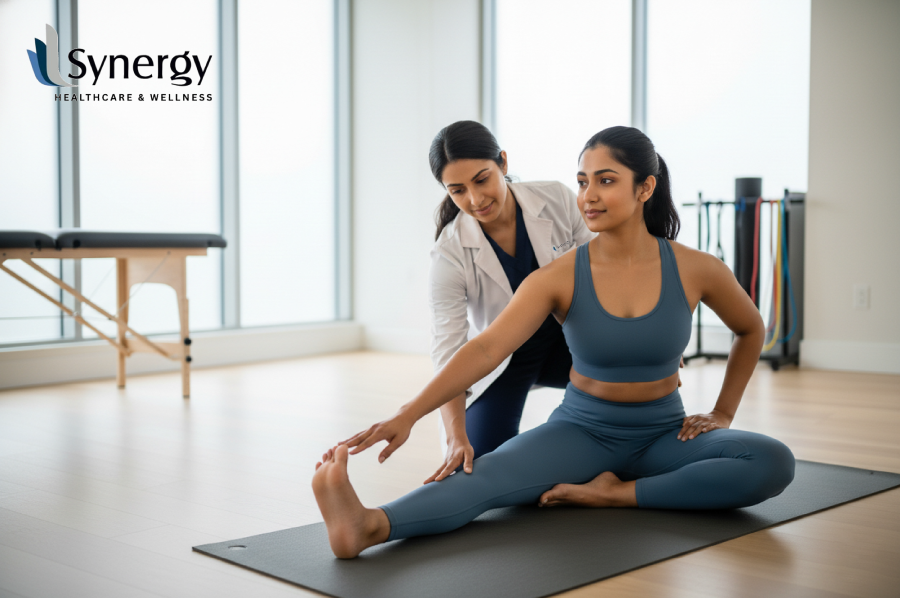
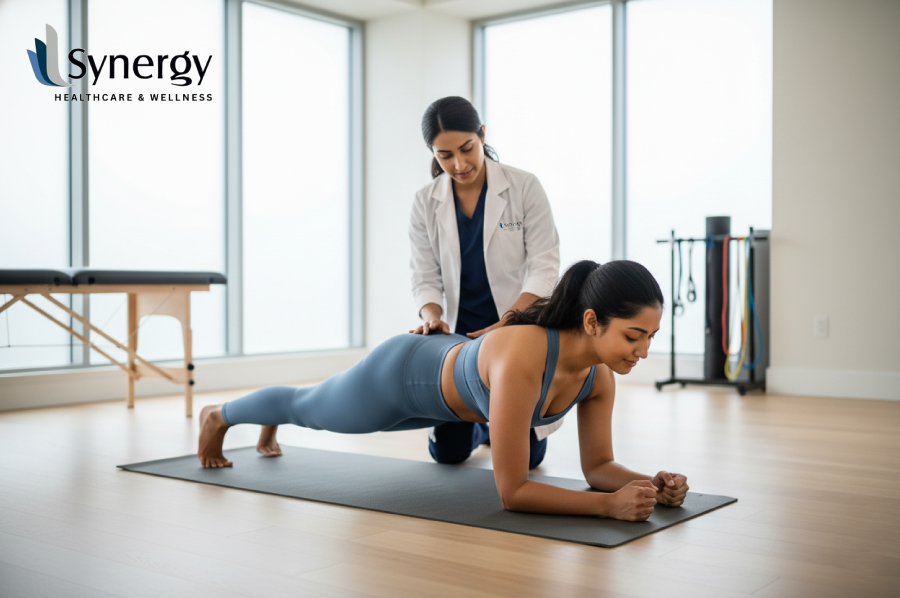
3. Progressive Loading and Therapeutic Exercise
This procedure is considered the “gold standard” when it comes to pain management alternatives to surgery.
Approach:
A progressive escalation of exercise, progressing from functional strength training to isometric holds.
Its effectiveness:
If you’re experiencing knee pain, for example, strengthening your quadriceps can help alleviate some of the strain on your affected joint. This mechanism, called “mechanotransduction,” aids in tissue healing and improves their resilience.
4. Neurodynamics: Nerve Mobilisation
It is common for a “trapped” or vulnerable nerve to be the source of radiating pain in conditions like sciatica.
Method:
Mild muscle relaxation techniques called “flossing” or “gliding” that release tension on the nerves and tissues around them.
Its effectiveness:
As a result, the nerve receives more blood and experiences less sensitivity, which in turn lessens the tingling or burning feelings.
5. Adjustments for Aesthetics and Way of Life
The best way to alleviate pain is to avoid it altogether.
Method:
- Take a look at your footwear
- Workstation
- Sleeping posture
Its effectiveness:
No amount of treatment will alleviate chronic neck pain caused by sitting for eight hours straight. Fixing the “input” results in an “output” that is free of discomfort.
An Interdisciplinary Perspective on the Synergy Difference
Here, we bring together these various non-surgical pain relief methods and integrate them into a single strategy. We’re offering you much more than a series of workouts.
We’re offering you a “pathway.”
Initial Stage: Managing the Pain
Using Electrotherapy and Manual Therapy to Relieve the Pain
Stage 2: Convenience
Making you as mobile as you were before, before the stiffness even sets in
Stage 3: Building Resilience
Building the strength and fortitude required to ensure that the agony never returns.
With advanced training in the use of robots in rehabilitation and sports injuries, our lead physiotherapists have the expertise and the experience required to help even the most intractable cases find relief from pain without the need for surgery. At Synergy, we have a wide range of speciality treatments.
Our Approach to Providing Cutting-Edge Non-Surgical Treatment at Synergy
Founded on clinical knowledge and patient trust, Synergy is a specialised wellness and rehabilitation centre. We think that the process of becoming well should be tailored to your specific needs. Structured, evidence-based therapy that aims to provide long-term results is what sets us apart.
The “conservative first” strategy is what we use. In other words, before contemplating any kind of intrusive procedure, we exhaust all technological and non-invasive options.
Every patient is evaluated by one of our senior doctors at one of our facilities in Chennai, whether it’s in Anna Nagar, T. Nagar, Adyar, Mogappair or Vepery. Your treatment plan will be both successful and safe for your unique health profile because of this physician’s oversight.
Conclusion: Have Faith in the Healing Process of Nature
The benefits of opting for a non-surgical route are substantial, but it demands persistence and endurance. You are not merely receiving a “fix”; rather, you are acquiring the knowledge and skills necessary to regain control of your body, regain power, and overcome fear.
There is a plethora of non-invasive alternatives that have been proven to be effective in treating a variety of injuries, including recent sports injuries and long-term back problems. Count on Synergy to be at your side throughout the entire process.
You can take the first step toward a pain-free existence without ever having to set foot on an operating table.
FAQ’s
1. When will I feel the effects of non-surgical pain relief methods?
Most patients report substantial improvement after 4–6 weeks of regular treatment, while mild instances may respond to as few as 1–2 sessions.
2. Can physical therapy help me avoid surgery if I have a herniated disc?
Structured decompression exercises and non-surgical pain relief methods, such as manual therapy, help many of our patients with disc difficulties regain full function.
3. What will happen after the physiotherapy sessions are over? Will the pain recur?
With the knowledge of specific exercises and the importance of maintaining the right posture, Synergy hopes that you will be able to avoid the recurrence of the condition.
4. Would it be most effective for me to do the exercises only at home?
Advanced equipment and “hands-on” assessment techniques to ensure that you are developing in the most effective and safe manner, in addition to the exercises you will be doing at home.
5. Can I undertake these non-surgical pain relief methods at Synergy without a doctor’s referral?
Yes, thorough medical evaluations by senior doctors before the start of the treatment, and you can make appointments with us directly.
6. Are there any risks associated with electrotherapy for the patients?
While electrotherapy is well tolerated by the body, note that during the first visit, we will always check for any contraindications, such as the presence of a pacemaker or pregnancy.
7. My condition is ‘bone-on-bone’ arthritis. Will I benefit from physical therapy?
Yes! To relieve my pain and improve my gait, we will focus on strengthening the muscles in that area as well as lubricating my joints.
8. Why should I select non-surgical treatment in Chennai at Synergy when it comes to treatment?
Senior doctors will be there to provide expert treatment, and advanced non-surgical pain relief methods are used, ensuring a safe and long-lasting recovery for you.
9. Can I continue my sports activity even as I undergo non-invasive treatment?
By introducing progressive treatment, it is usually possible to continue with your sports activity even as we treat your condition.
10. Is it possible to explore non-surgical therapy options for my severe illness?
In the initial appointment at Synergy, we do a clinical evaluation of your problem, including the scans you have already taken (MRIs), to ensure that you receive the finest treatment in the safest way possible.