Persistent pain in the calf muscle pain causes in your leg can really affect your mobility, sleep, and quality of life. This clinical guide covers the main calf muscle pain causes, from simple dehydration to acute injuries of the gastrocnemius muscle pain pathway. Read on for professional calf pain treatment options, targeted home interventions and the ideal exercise for calf muscle pain to get long-term calf pain relief.
Lower Limb Discomfort: An Introduction
Every day, thousands of people, from professional athletes to desk-bound corporate workers, suffer from lower limb problems, particularly pain in the back of the lower leg. The calf is a complex arrangement of muscles, tendons, nerves and blood vessels that are constantly working to keep the body upright, absorb impact from the ground and push the body forward as you walk.
When the distress is localised, the first step to sustainable calf muscle pain relief is to identify the exact triggers. The final course of recovery depends on whether the discomfort is due to lifestyle fatigue, an acute mechanical tear, or an underlying circulatory problem.
What Makes the Lower Leg Hurt?
To treat problems in the lower limb, we need to assess the common physiological and anatomical factors that interfere with normal muscular function. The calf is very susceptible to mechanical overload, biochemical changes and vascular changes.
1. Acute Muscle Strains & Mechanical Muscle Tears
A common reason for sudden, sharp pain is a muscle strain. This happens when the structural fibres are overstretched or torn by explosive acceleration, sudden changes of direction or poor warm-ups. During competitive sports or sudden physical exertions, the calf’s lateral and medial bellies are particularly vulnerable.
2. Night cramps and involuntary spasms
Their sudden, intense contraction in the night often wakes people up from deep sleep. These involuntary spasms are closely associated with localised muscle fatigue built up during daytime standing, minor electrolyte imbalances (such as low magnesium, potassium or calcium) or mild dehydration.
3. Tendon Overuse (Chronic)
The Achilles tendon connects the main muscles of the calf to the heel bone. Achilles tendinopathy is a condition which can be caused by repetitive micro-trauma from running on hard surfaces, inappropriate footwear or structural biomechanical abnormalities. It is characterised by chronic stiffness and burning sensations in the lower leg.
4. Failures of Circulatory and Vascular Systems
A decreased return of blood from the lower extremities can cause deep, throbbing aches. Some other conditions, like chronic venous insufficiency or deep vein thrombosis (DVT), carry significant clinical risks and require urgent medical evaluation instead of routine physical rehabilitation.
| Type of Cause | Initial Symptom Presentation | Commonly Aggravating Factors | Suggested first approach |
| Acute Sprain | Sharp, stabbing pain. Localised swelling, Bruising. | Sudden acceleration, bouncing off | Rest, ice, clinical evaluation. |
| Cramp at Night | Shooting, transient locking spasm; postcramp ache | Standing still for a long time, dehydration | Light static stretching, hydration management |
| Tendonopathy | Morning stiffness; burning sensation in the heel | Unsupportive shoes, running over and over | Graded tendon loading, eccentric exercise |
Gastrocnemius Muscle Pain: Clinical Perspective
The calf complex consists of two important muscles, the deeper soleus and the superficial, double-headed gastrocnemius muscle. The gastrocnemius crosses 2 major joints (the knee and ankle ), so it is very active during powerful lower limb movement.
Gastrocnemius muscle pain is usually caused by a sudden eccentric contraction; for example, lunging forward in tennis or sprinting to catch a bus. This strain usually manifests as a distinct “popping” or snapping sensation in the back of the leg, followed immediately by swelling, local tenderness, and an inability to perform a standard heel-raise. This presentation requires management with a structured clinical approach so that the structural collagen fibres heal in optimal alignment and do not result in chronic tightness or recurrent tears.
Total Solutions for Lower Leg Care
To effectively relieve leg calf muscle pain, two strategies are needed: controlling acute symptoms and proactive physical rehabilitation.
Immediate Home Care: The R.I.C.E. (Modified) Protocol
In the case of serious structural problems, the classic conservation framework of the first 48 hours can speed up recovery:
- Rest: Do not carry out heavy-weight-bearing activities or unnecessary stress on the lower limb.
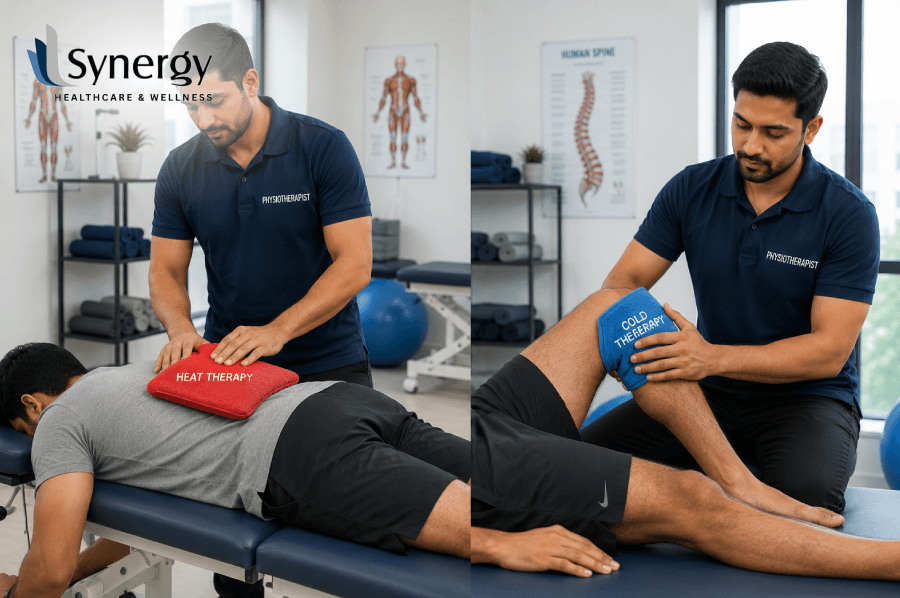
- Ice: Use a cold pack covered with a towel around the neck area for 15 minutes every few hours to numb irritated nerve endings and reduce swelling.
- Compression: Use a flexible, supportive compression bandage to help manage swelling. Make sure it is not too tight so that there is good blood circulation.
Clinical Modalities & Specific Interventions
Where home therapy fails to provide relief from the painful calf muscle, professional physical therapy presents advanced techniques. Targeted manual therapy releases structural myofascial trigger points, localised ultrasound increases circulation in deep tissues, and therapeutic taping reduces mechanical strain on healing fibres, say clinical specialists.
Benefits of Active Rehabilitation
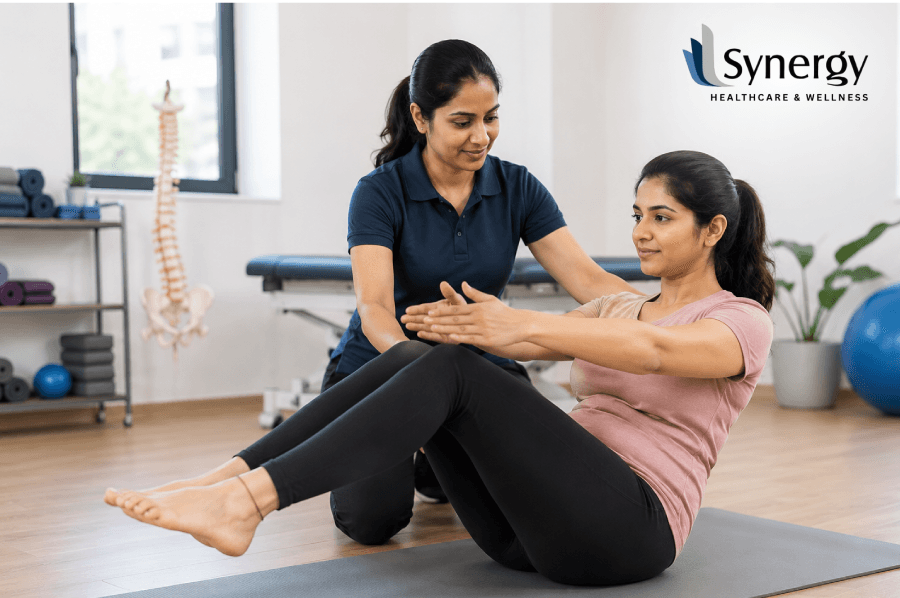
Progressive movement is one of the best healing tools for soft tissue. Proper stretching in combination with strengthening exercises will help to heal soft tissues and gain strength.
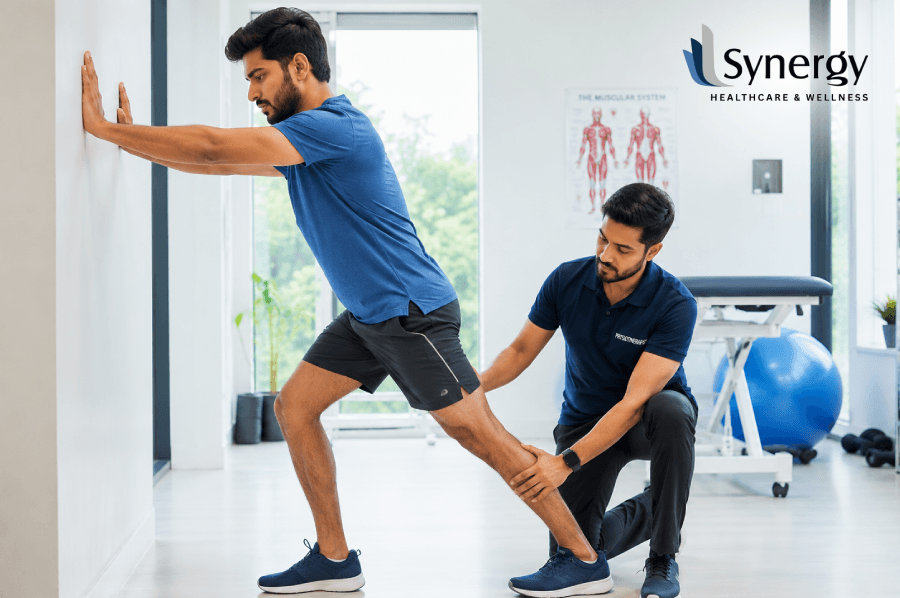
1. The Classic Wall Assisted Calf Stretch
This movement restores ideal length to shortened muscle fibres and provides quick relief from calf pain during or following a tight episode. Stand facing a solid wall. Extend both hands in front of you at shoulder level to balance yourself. Step back with the painful leg, keeping the heel firmly pressed into the floor, the rear knee straight. Bend your front knee gently and lean your torso forward until you feel a deep and comfortable pull through the back of your lower leg. Hold steady for 30 seconds without bouncing and repeat the sequence 3 times.
2. Sitting Towel Mobilisation
Sit on a flat surface with your lower limbs stretched directly ahead. Loop a long non-elastic exercise band or a clean bath towel securely around the ball of your foot. Hold tight to both ends of the towel and pull it slowly backwards towards your body, bringing your toes up towards your shins. The exercise works to relieve calf pain without placing pressure on an injured leg. Maintain tension for 25 seconds. Breathe slowly and then relax.
3. Double Heel Raises
Once the acute irritation has passed, it is important to build up the tissue capacity to avoid future strains. Stand flat on the floor near a counter or wall for balance support. Slowly lift both heels, pressing your body weight up onto the balls of your feet over a count of three seconds. Hold at the top of the contraction, then slowly lower your heels back down. Start with 2 sets of 10 reps and then increase the volume as your tissue resilience improves.
Long-Term Prevention & Maintenance Tips
If you want to keep your lower limbs in tip-top shape and avoid future episodes of calf distress, try adding these healthy habits to your daily routine:
- Stay Hydrated: Drink plenty of water daily to aid proper muscle function and avoid the biochemical triggers of nighttime cramping.
- Include Active Movement Breaks: If you’re at a desk for hours, get up and do some gentle ankle circles or standing heel raises every 45 minutes to stimulate healthy lower limb circulation.
- Choose Appropriate Shoes: You should ensure that you have shoes that offer you adequate arch and heel support in order to prevent the overuse of your Achilles tendon and calf muscles.
- Importance of Warm-Up Exercises: It is important for you to warm up before undertaking any physical activity, and also undertake stretching exercises after your workout.
Synergy: Your Recovery Partner
Restoring Function and Strength to the Lower Limb
At Synergy, we go beyond treating the surface-level symptoms to treat the actual root causes of lower limb dysfunction. Our expert physical therapists perform detailed biomechanical assessments to evaluate your walking alignment, foot strike mechanics and any muscular imbalances between your quadriceps, hamstrings and lower leg complex.
Whether you’re recovering from a bad sports strain or you’re dealing with persistent, unexplained leg calf muscle pain, our clinical teams design personalised, phased rehabilitation pathways tailored to your unique lifestyle demands. We use advanced hands-on manual techniques along with progressive, science-based loading programs to make sure you return to your daily activities with increased structural stability, maximum flexibility and long-term protection from future injury. Find out more about structural rehab protocols in our complete guide to rehab exercise programs.
Conclusion: What Is The Real Cause Of Persistent Lower Leg Discomfort?
Calf muscle pain is usually due to routine causes such as muscle overexertion, dehydration, nutritional deficiencies or prolonged stress on the muscular system. Most cases react positively without developing any complications when detected early and properly managed through adequate rest and good nutrition. Understanding calf muscle pain causes is essential for preventing recurrence and achieving long-term recovery.
| Get started on your road to relief from the chronic pain in your lower limbs at Synergy, where you will receive personalised rehabilitation, expert care, and learn how to relieve calf muscle pain. |
FAQS
1. What are the common causes of calf muscle pain in daily life?
Common causes of gastrocnemius muscle pain include sudden muscle strains, fatigue from standing for long periods of time, dehydration and structural irritation of the pain network of the gastrocnemius muscle. If symptoms continue, a professional assessment can determine the specific trigger.
2. How much time does it take for normal injury of the lower leg muscles to heal completely?
With proper rest and care, mild strain takes 2 to 3 weeks to heal, but in case of a more severe tear, recovery will take somewhere between 6 weeks and several months. Physical rehabilitation is required.
3. Is it true that repeated cramps in the legs are caused by a lack of some vitamins?
Yes, the body may become more prone to developing painful cramps in case of deficiency in such important substances as magnesium, potassium, vitamin D and calcium, because these elements are vital for the normal functioning of the neuromuscular system.
4. At what point do I need to visit a doctor if I have pain in my lower leg?
See your physician right away if you have symptoms such as swelling, warmth, very intense redness, or pain so severe that you are unable to put weight on the leg, because you may have some serious conditions of the veins, including deep vein thrombosis. Prompt diagnosis will help avoid any serious consequences.
5. Is it safe to stretch my lower leg when I have an active cramp?
Yes, a gentle static wall stretch or pulling your toes back during an active spasm can relax the contracting fibres and give you immediate relief from calf pain. If you get a cramp, slow and controlled movements tend to work better than forceful stretching.
6. Can pain in the calf area be caused by non-supportive shoes?
Yes. The shoes that lack sufficient arch support and heel cushioning may alter your natural walking style by imposing excess mechanical load on your lower leg muscles. The repeated alterations in your gait pattern may cause chronic fatigue and soreness in your muscles.
7. How does clinical physical therapy accelerate the healing process?
Clinical physical therapy decreases the inflammation in the local tissues, enhances joint mobility via manual therapy, and builds up muscle strength in the weaker muscle groups, ensuring quick and safe recovery. Moreover, rehabilitation programs can help prevent future injuries due to better movement biomechanics.
8. Why are my lower legs especially stiff in the morning?
Morning stiffness may indicate chronic overuse of the tissues or a condition such as Achilles tendinopathy, where soft tissues tighten and shorten during the long periods of rest at night.
Morning stretches will help you regain flexibility and feel better throughout the day.
9. How often should exercises to prevent lower limb injuries be performed?
It is advisable to perform daily flexibility exercises, while strength exercises for muscles need to be done twice or thrice a week. In developing endurance of the muscles, persistence tends to be more effective than intensity.
10. Does constant but dull leg pain result from poor circulation in the lower limbs?
Yes. Venous insufficiency results in pooling of blood in the lower limbs, hence causing constant heavy throbbing pain which increases when standing for a long time. The pain improves when the limbs are elevated, and there is constant activity during the day.

Dr. Suresh Franklin, MPT
✓ 15+ Years of ExperienceMeet Dr. Suresh Franklin, MPT – the expert behind Synergy Physio Care's clinical approach. With extensive experience in sports rehabilitation, athlete recovery, and performance care, he brings trusted expertise to every piece of content we publish. From injury management to movement-based recovery, his review helps ensure our blogs are practical, accurate, and patient-focused. At Synergy, we combine clinical knowledge with real-world physiotherapy experience to guide every recovery journey.