
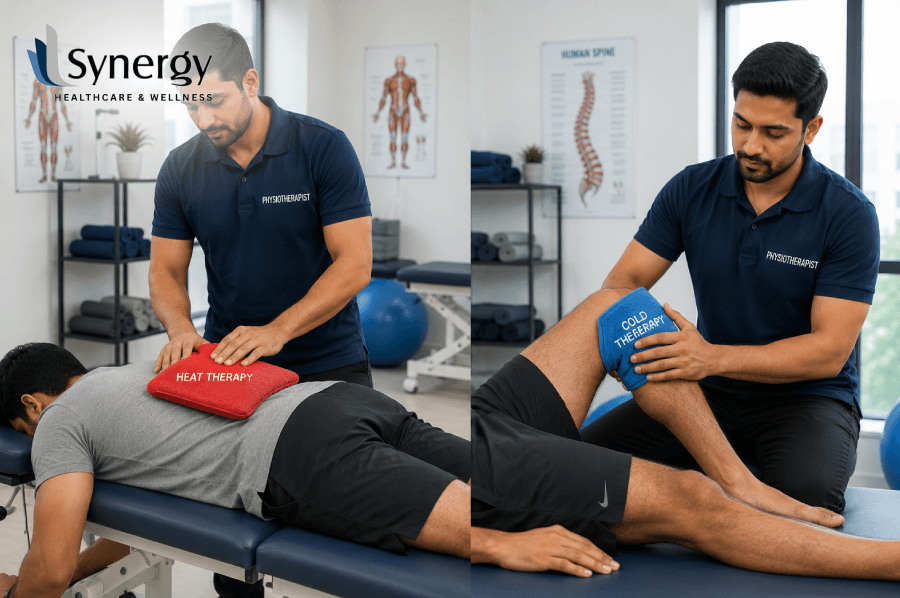
You can take thermotherapy or targeted cold therapy; either way, your recovery path can be drastically different. When to use soothing thermal therapy for muscle stiffness and when to use intense cold compression therapy for acute swelling. This comprehensive guide follows professional guidelines to help you heal effectively, reduce pain and restore mobile health.
Introduction: The Science Behind Temperature Therapy for Pain Relief
Our natural instinct is to seek immediate relief when physical injury strikes or chronic pain flares up. Two of the most accessible, cost-effective and powerful tools at our disposal are temperature-based modalities: heat and cold. With so many options available, making the right choice can be difficult. Applying an ice pack may lock a stiff, aching muscle into a deeper spasm, while a hot water bottle may cause a fresh, throbbing sprain to pour out inflammatory fluids, thereby increasing local swelling.
The trick to knowing when and how to use these tools is to understand how our physiological systems react to changes in temperature. Knowing the exact therapeutic windows for slowing your metabolism with cold therapy or relaxing your muscles with heat treatment can empower you to take an active role in your injury management. We’ll look at the science behind temperature-based recovery to help you choose the best treatment method for your physical condition.
How Cold Therapy Works – Calming the Storm
To appreciate the importance of the choice of temperature, we must understand the cellular change occurring with the application of cold to living tissue. Cold application works by lowering local metabolic demands, slowing nerve conduction, and reducing blood vessel diameter, thereby limiting tissue activity.
Fluid Management and Vasoconstriction
When you apply ice or a cold wrap to an injured area, the smooth muscles of the blood vessels constrict in response to the sudden drop in temperature. This process is called vasoconstriction, and it severely limits blood flow locally. When physical trauma occurs, such as a twisted ankle or a torn ligament, the nearby capillaries rupture and leak fluid into the surrounding space, causing swelling and bruising. Ice therapy can immediately halt this over-leaking of fluid, limiting the extent of internal swelling.
Diminishing the Pain Signal
Besides fluid control, extreme cold acts as a mild local anaesthetic. It reduces the speed at which peripheral nerves transmit pain signals to the central nervous system. The powerful drug-free numbing effect blocks these rapid pain pathways and helps break the intense pain-spasm cycle that is common in fresh injuries.
The Benefits of Cold Compression Therapy
For extensive swelling or major joint trauma, conventional ice packs often provide limited benefit since they cannot mould evenly around the joint. That’s where Cold and compression therapy come in. This technique eliminates the stagnant fluid in the injured zone and at the same time cools the deep tissue layers by means of active pneumatic compression combined with continuous cooling, thus better controlling the inflammation.
Science of Thermotherapy: Restoring Flow and Flexibility
Cold is about restriction and calming; thermal therapy is about acceleration, expansion and tissue restoration. When you introduce heat, the vascular network knows to open up and bring fresh oxygenated blood to starving, tight tissue.
Vasodilation and Nutrition of the Tissues
Heat causes the blood vessels to widen, or vasodilation. This influx of blood flow brings with it a rich supply of fresh oxygen, vital amino acids and essential nutrients directly to the sore muscles, accelerating the natural cellular repair process. And, the increased circulation also flushes out accumulated metabolic waste products, such as lactic acid, which can lead to post-exercise soreness and structural fatigue.
Loosening Tight Connective Tissues
Collagen is a structural protein that is found in abundance in muscles, tendons and ligaments. When tissue is injured or held in one position too long, these collagen fibres become stiff, hard and resistant to movement. Regular application of heat treatment changes the elastic properties of collagen, making the tissues much more pliant and cooperative. Heat is therefore an excellent modality for chronic morning stiffness, deep muscle spasms and warming up tight joints for stretching and exercise.
Strategic Timing: When to Freeze, When to Thaw
| Condition/Injury Category | Proposed Treatment | Main Physiological Function | Best Treatment Duration |
| Acute Sprains & Strains (First 48 hrs) | Cold treatment | Reduce swelling, stop bleeding, numb sharp pain | 15–20 minutes every 2–3 hours |
| Muscle Stiffness (Neck & Back) – Chronic | Heat Treatment | Increase blood flow, relieve deep muscle spasms, and increase flexibility | 20–30 minutes depending on your needs |
| Severe Swelling Post-Exercise | Cold and compression therapy | Constrict the vessel and push out the fluid buildup | 15 minutes after activity |
| Arthritic Joint Pain – Non-inflammatory | Therapeutic Heat | Enhance joint elasticity. Improve structural stiffness | 20 minutes prior to movement |
Optimising Synergy Rehabilitation Pathways
At Synergy, we combine sophisticated clinical modalities with specific, active physical therapy in our approach to injury management. We know that temperature control isn’t a cure but a great catalyst to get your body ready to move and recover functionally over the long term.
Our specialist clinicians apply heat therapy and dynamic cold treatment systems to customise recovery for each stage of your physical rehabilitation:
1. Acute Injury Management
Our team utilises targeted compression cold therapy during the sensitive 48-hour period post an acute sports injury or joint sprain. This systematic approach treats early-stage inflammation without interfering with the body’s natural tissue repair processes. Learn more about our Sports Injury Rehabilitation services.
2. Management of Chronic Pain & Spasm
If you suffer from chronic back pain, stubborn postural tension or severe neck tightness, we use deep-penetrating thermal treatment. Raising tissue temperature helps to reduce muscle guarding and to relax the constant aches that interfere with life.
3. Mobilisation Before Exercise
Our movement specialists often apply localised heat to assist with improving joint range of motion prior to guiding you through customised clinical exercises. This allows for therapeutic movements to be much more comfortable and effective.
4. Recovery After Treatment
We might use local cooling techniques after deep tissue mobilisations or intensive manual therapy to make the treated area feel more comfortable, to prevent post-treatment soreness, and to help you move comfortably towards your recovery goals.
Synergy’s evidence-based treatment plans are a professional guide to balancing heat and cold to safely rebuild your structural strength and return to your daily activities pain-free.
Conclusion: Make Every Heat and Cooling Therapy Session Count
Becoming skilled in the use of hot and cold gives you a very powerful tool for everyday pain control. Warm therapy can be very soothing and help relax tight muscles, while cooling therapy can be used to target acute inflammation. Either way, your course of physical recovery can change. Knowing when to use these options protects your tissues from accidental irritation and allows your body to heal on the proper physiological timeline.
Whether you are treating a new, swollen ankle sprain with contemporary cold compression therapy or using sophisticated thermal therapy for chronic spinal stiffness, always pay attention to the messages your body sends you. Heat and cold therapies are great for short-term relief, but to get long-term structural health, you need to apply yourself. If you have nagging pain and you want to strengthen your body for the long haul, make an appointment for a thorough assessment with a physical therapy specialist today.
| Take the next step towards lasting pain relief with Synergy. Book a personalised physiotherapy assessment today and let our experts create a recovery plan tailored to your needs. |
FAQS
1. How does professional Cooling therapy work to reduce sudden swelling?
Cooling therapy has an immediate effect of vasoconstriction and narrows local blood vessels, restricts fluid accumulation and slows down local nerve conduction to dull sharp pain in clinical practice. By decreasing the metabolic demand of the adjacent soft tissues, this focused cooling also substantially lowers the risk of secondary hypoxic injury to cells surrounding the trauma site.
2. Will applying heat to a new sports injury cause more damage?
Yes, heat increases local blood flow in the first 48 hours of an acute injury, which is not good for internal bleeding and swelling of tissue. This artificially elevated capillary pressure in the local area can exacerbate active inflammatory pathways, resulting in a longer overall recovery time and increased muscle guarding.
3. How does superficial Heat therapy differ from deep heat?
Superficial application of heat involves heating of the skin and subcutaneous fat layers, but clinical apparatuses heat the deeper muscle layers and joints. Techniques like therapeutic ultrasound and shortwave diathermy avoid the heating of superficial tissues completely and heat the dense collagen tissues for improved flexibility of deep tissue.
4. How long should I rest following my cold compression treatment?
The technique is most effective when used immediately after acute joint sprains, severe muscle impacts or intense surgical recovery phases to reduce swelling and lower tissue temperature at the same time. The active compression element physically squeezes excess interstitial fluid back into the lymphatic system, preventing chronic local pooling and structural stiffness.
5. Why does regular heat therapy work so well for chronic arthritic stiffness?
Heat increases the elasticity of stiff joint capsules and collagen fibres, increasing local lubrication and vastly improving overall comfort of movement. The soothing heat also stimulates the sensory receptors in the area to block pain signals travelling to the brain, giving you a comfortable window of time to perform mobility exercises that restore function.
6. How long can a person use an ice or cold pack before he gets frostbite?
Never leave a cold application on longer than 15 to 20 minutes at a time to protect your skin and nerves from damage. It is also important to always be sure to place a thin protective barrier, such as a damp towel, between the ice pack and your bare skin to avoid localised ice burns.
7. What is contrast therapy and how do athletes use it?
Contrast therapy involves rapid changes between hot and cold environments to create a vascular “pumping” effect that can reduce fatigue and flush out metabolic waste. This constant change between dilation and constriction of blood vessels speeds up the flow of fresh oxygenated blood, and this helps to repair overworked muscles much more quickly.
8. When I have a sudden flare-up of low back pain, should I use heat or cold?
Use cold for back pain due to a new injury; use heat for chronic, dull aches from tight muscles or stress, and it works a lot better. If you are dealing with a complex combination of acute inflammation and severe muscle spasms, alternating between both modalities under professional guidance can offer comprehensive relief.
9. Can I apply heat or cold packs to damaged or open skin areas?
No, because heat or cold packs must never be applied to an open wound area or damaged skin since it will affect cell healing and result in infection. It is very easy for changes in temperature to affect the delicate granulation tissue and moisture barrier.
10. How will I know if I need a professional assessment of my injury by a Physiotherapist?
If after 72 hours the pain is still severe, you cannot bear weight on the affected leg, or you have radiating numbness, see a clinician promptly for assessment. Ignoring these severe warning signs can turn minor strains of tissues into long term mechanical structural problems that require long term medical rehab.

Dr. Suresh Franklin, MPT
✓ 15+ Years of ExperienceMeet Dr. Suresh Franklin, MPT – the expert behind Synergy Physio Care's clinical approach. With extensive experience in sports rehabilitation, athlete recovery, and performance care, he brings trusted expertise to every piece of content we publish. From injury management to movement-based recovery, his review helps ensure our blogs are practical, accurate, and patient-focused. At Synergy, we combine clinical knowledge with real-world physiotherapy experience to guide every recovery journey.