A lingering ache or pain under foot can greatly impact your daily life, making simple mobility a stressful challenge. This comprehensive guide explores the underlying structural reasons for discomfort in the lower extremities, including plantar fasciitis and mechanical strains, and offers effective, evidence-based home remedies for feet pain to help you regain comfort, realign structure and walk pain-free.
Intro: Why does Every Step feel like you are walking on a bruise?
Walking is made possible by the complex and well-coordinated interaction of the body’s bones, muscles, ligaments, and tendons. Disturbance of this fine mechanical network will frequently result in a nagging, sharp, or throbbing pain under foot. Whether you are experiencing an annoying pain in sole of foot after long hours of standing or a deep, aching pain in middle of foot, understanding the biomechanics of your lower limbs is the critical first step toward long-term rehabilitation.
Even though temporary discomfort may appear to be a minor inconvenience, ignoring persistent foot instep pain or structural soreness can change your natural gait, causing secondary problems in your ankles, knees, and lower back. Knowing the root causes of your pain allows you to utilise specific non-invasive recovery methods and potent home remedies for aching feet from the privacy of your living room.
Other Causes of Arch and Sole Discomfort
The trick to getting relief from lower limb pain is to be very precise about where the irritation is coming from. Sudden changes in physical exertion, unsuitable shoes, and biomechanical irregularities may place excessive stress on the lower extremities.
| Exact Location of Pain | Most Frequent Underlying Clinical Cause | Major Structural Symptoms |
| Pain in sole of foot (near the heel) | Fasciitis (plantar) | Very first steps in the morning, sharp stabbing pain. |
| Discomfort located in the arch of the foot | Over-pronation or Midtarsal Joint Stress | Deep, dull pain along the inner arch is worse with weight-bearing. |
| Side of foot (Lateral margin) | Jones Fracture or Peroneus Tendonitis | Sensitivity to pressure, localized edema, and intermittent and sharp discomfort when walking over rough ground. |
| Pain in lower feet / Metatarsals / Feet | Metatarsalgia or Morton’s Neuroma | By a sharp pebble, or walked on it. |
The pain of the acute foot that occurs in people after walking is usually an inflammatory warning sign that the soft tissues have been overloaded beyond their physiological capacity. This is especially so for those with foot instep pain, which directly affects the structural integrity of the medial longitudinal arch. Small structural micro-tears can become chronic and debilitating with the right mechanical rest and tissue care.
Best Home Remedies for Foot Pain and Physical Care
You can treat lower extremity discomfort at home without spending a fortune on equipment. A systematic, organised routine can do wonders for localised inflammation, irritated nerve pathways and can speed up the natural soft-tissue healing process.
1. Rest, Ice, Compression and Elevation (R.I.C.E.)
The classic R.I.C.E. protocol is the basic feet pain relief solution to acute structural inflammation.
Rest
Avoid high-impact activities that aggravate the side of foot or arch strain.
Ice
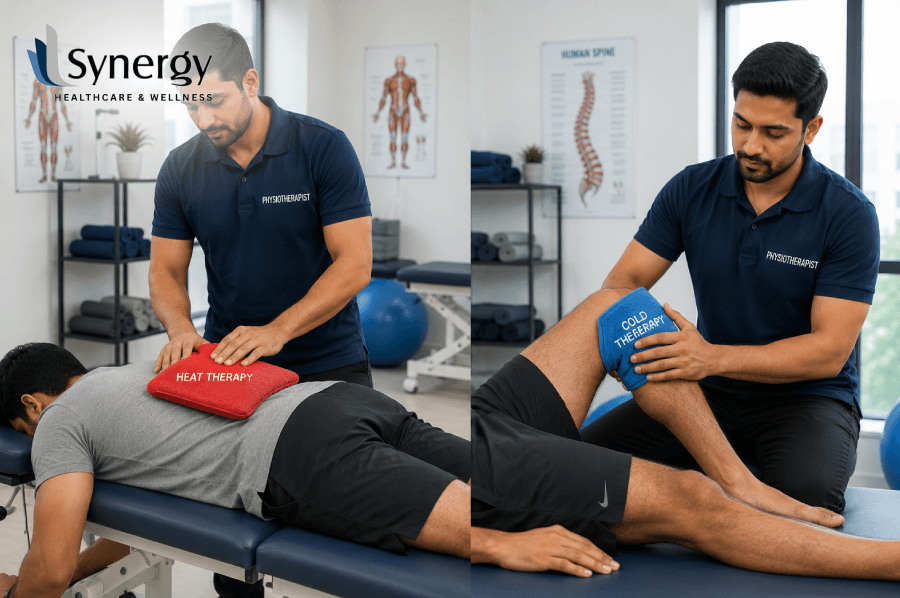
Apply an ice pack covered with a cloth to the area for 15 to 20 minutes, three times a day. Rolling the sole of the foot over a frozen water bottle is an excellent targeted deep tissue massage that cools inflamed fascia.
Compression & Elevation
Use a supportive elastic bandage to reduce localised swelling. Elevate your lower limbs on pillows above heart level to encourage healthy venous return.
2. Targeted Stretching for Plantar and Calf
Tightness of the gastrocnemius and soleus (calf muscles) directly increases the mechanical strain on the lower foot structures. Gentle controlled calf stretches against a wall twice daily will help to decrease pain in middle of foot structures. Also, before you get out of bed, gently pull your toes back toward your shin for 30 seconds to pre-stretch the plantar tissues and avoid sharp morning twinges.
3. Tennis Ball Self-Myofascial Release
To relieve general foot pain, sit down and place a tennis ball or a dedicated reflexology roller underneath the arch of your foot. Apply moderate but comfortable downward pressure and roll the ball slowly from the base of your toes to your heel. This simple practice breaks up painful soft-tissue adhesions, increases localised blood circulation, and alleviates persistent foot pain after walking a strenuous day of movement.
When to Seek Urgent Medical Advice?
Looking for the best painkiller for foot pain – over-the-counter non-steroidal anti-inflammatory drugs (NSAIDs) can temporarily take the edge off severe discomfort, but medication should never be used as a long-term cure. If you have an absolute inability to bear weight on the pain in lower feet, visible structural deformities or progressive numbness, you must seek immediate medical advice from a qualified healthcare provider. For further information on the clinical benefits of professional therapeutic intervention on tissue repair at all stages of the structural healing process, you can view the full medical summary offered by the Chartered Society of Physiotherapy or the comprehensive lower limb clinical guidelines hosted on Arthritis Research UK.
Synergy Professional Solutions in Biomechanics
While focused home remedies for feet pain may be great for quick symptom relief, actual structural healing needs a more thoughtful assessment of your overall movement patterns. Temporary fixes often cover up the real mechanical issues, such as poor foot position, muscular imbalances, or an uneven gait. Long-term, if you sense that the discomfort in your structure is not improving with routine rest, then getting an objective, evidence-based physical assessment is essential to preserving your long-term mobility.
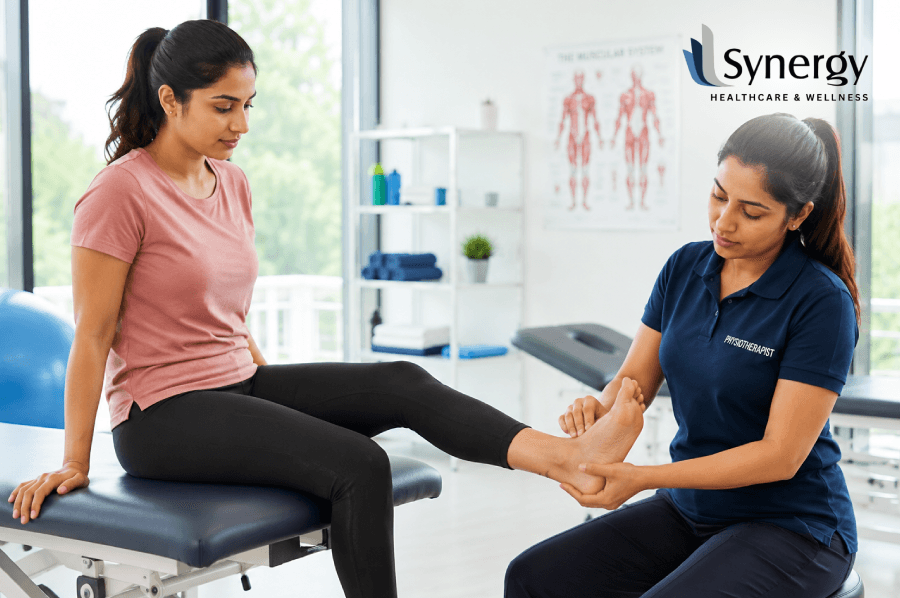
At Synergy, our clinical team is trained to find the true cause of your physical discomfort, rather than just treating the symptoms on the surface. With highly advanced diagnostic tools, including detailed digital gait analysis, our senior rehabilitation experts can track exactly how weight is distributed across your lower limbs with each step you take. This exact, data-driven approach is extremely helpful for those with chronic foot pain after walking, because it reveals subtle structural imbalances that may be stressing the soft tissue.
Whether you are experiencing stubborn foot instep pain, serious heel problems or lateral structural imbalances along the side of foot, the individualised rehabilitation programs are completely customised to your specific anatomical needs. The clinical team combines specific strengthening exercises and expert advice on structural footwear adjustments with specialist manual therapy to safely guide you through every stage of physical recovery. In their detailed guide, “How Gait Training Physiotherapy Improves Walking Recovery,” they explain how specialised clinical care corrects deep-seated structural walking imbalances and how structured biomechanical retraining can change your daily movement and permanently restore your natural walking confidence.
Conclusion: Rekindling Your Natural Base
Daily proactive care of your lower extremities is absolutely essential to living an active, independent and vibrant lifestyle. Regular routine of specific home remedies for feet pain, supportive shoes and paying attention to early warning signs your body is giving you will result in effective treatment of minor structural strains before they become chronic. Remember, you don’t need to live with daily physical restrictions. Knowing the reason for pain under foot is the first step to taking control of your health and taking your very first steps to a totally ppain-free comfortable future.
| Take the first step toward lasting feet pain relief—contact Synergy today for expert assessment and personalised care that helps restore comfortable, pain-free movement. |
FAQs
1. Why do I get stabbing pain under foot with the first steps in the morning?
Your plantar tissues shorten and tighten while you’re sleeping at night; so when you take your first few steps in the morning, these cold tissues are suddenly stretched and cause acute discomfort. The sensation often improves within a few minutes of movement as the tissues gradually warm up and become more flexible.
2. Can wearing flat shoes cause severe pain in sole of foot?
Yes, flat shoes don’t offer good arch support, which can lead to overstretching of your soft tissue and a deep ache across the lower parts of your foot structures. Poor cushioning can also eventually lead to increased pressure on important weight-bearing areas of the foot.
3. How can I quickly ease localised pain in middle of foot after a long day at work?
Rub the frozen water bottle over your feet for 15 minutes to decrease the inflammation of the affected tissues and provide quick relief. The rubbing also offers a slight massaging sensation, which might relieve any tightness in the foot muscles.
4. What information can I gather about my walking mechanics from chronic foot instep pain?
Foot instep pain usually points out that the medial longitudinal arch of the foot is becoming flattened or overburdened during walking. A professional gait assessment can help identify movement patterns that may be contributing to the problem.
5. Why does my foot pain after walking get worse and worse rather than better?
The micro-tears in your tendons are constantly being irritated by weight-bearing activity, and without res,t this can lead to chronic structural inflammation. Overuse regularly may eventually decrease your ability to walk comfortably for long periods.
6. What are some home remedies for aching feet that work fast?
To relax tired muscles and soothe nerve endings, soak your lower limbs in a warm Epsom salt bath for 20 minutes. The warmth encourages healthy blood fl,ow which may help lessen feelings of fatigue.
7. Will a tennis ball provide long-term relief as an effective foot ache remedy?
Yes, it is a very effective deep-tissue massage with the simple practice of releasing tight fascial layers and improving local blood circulation. Regular application will also assist in ensuring that the arch is flexible and does not experience stiffness again.
8. When should I prioritize professional feet pain relief over standard home care routines?
You should seek professional evaluation if your lower limb discomfort lasts longer than two weeks or actively prevents you from performing daily activities. Early intervention can often prevent minor biomechanical issues from becoming chronic conditions.
9. Can we consider an over-the-counter option as the best painkiller for foot pain?
Short-term medication can “hide” severe throbbing for a while, but you need to work on the underlying structural mechanics for a permanent lasting cure. Generally, symptom relief combined with corrective rehabilitation results in better long-term outcomes.
10. Why am I experiencing burning and pain in lower feet near my toes?
This is mostly associated with a condition known as metatarsalgia, which basically arises because of the continuous application of pressure while walking, causing pressure on the balls of your feet. It helps to wear appropriate footwear and use insoles, which distribute the pressure.

Dr. Suresh Franklin, MPT
✓ 15+ Years of ExperienceMeet Dr. Suresh Franklin, MPT – the expert behind Synergy Physio Care's clinical approach. With extensive experience in sports rehabilitation, athlete recovery, and performance care, he brings trusted expertise to every piece of content we publish. From injury management to movement-based recovery, his review helps ensure our blogs are practical, accurate, and patient-focused. At Synergy, we combine clinical knowledge with real-world physiotherapy experience to guide every recovery journey.